AttackLebanon and the first intifadaReference entry
The Ma'alot massacre (1974)
How a school trip from Safed ended in one of the deadliest attacks in Israel's history, and how the failed rescue reshaped Israeli counterterrorism.
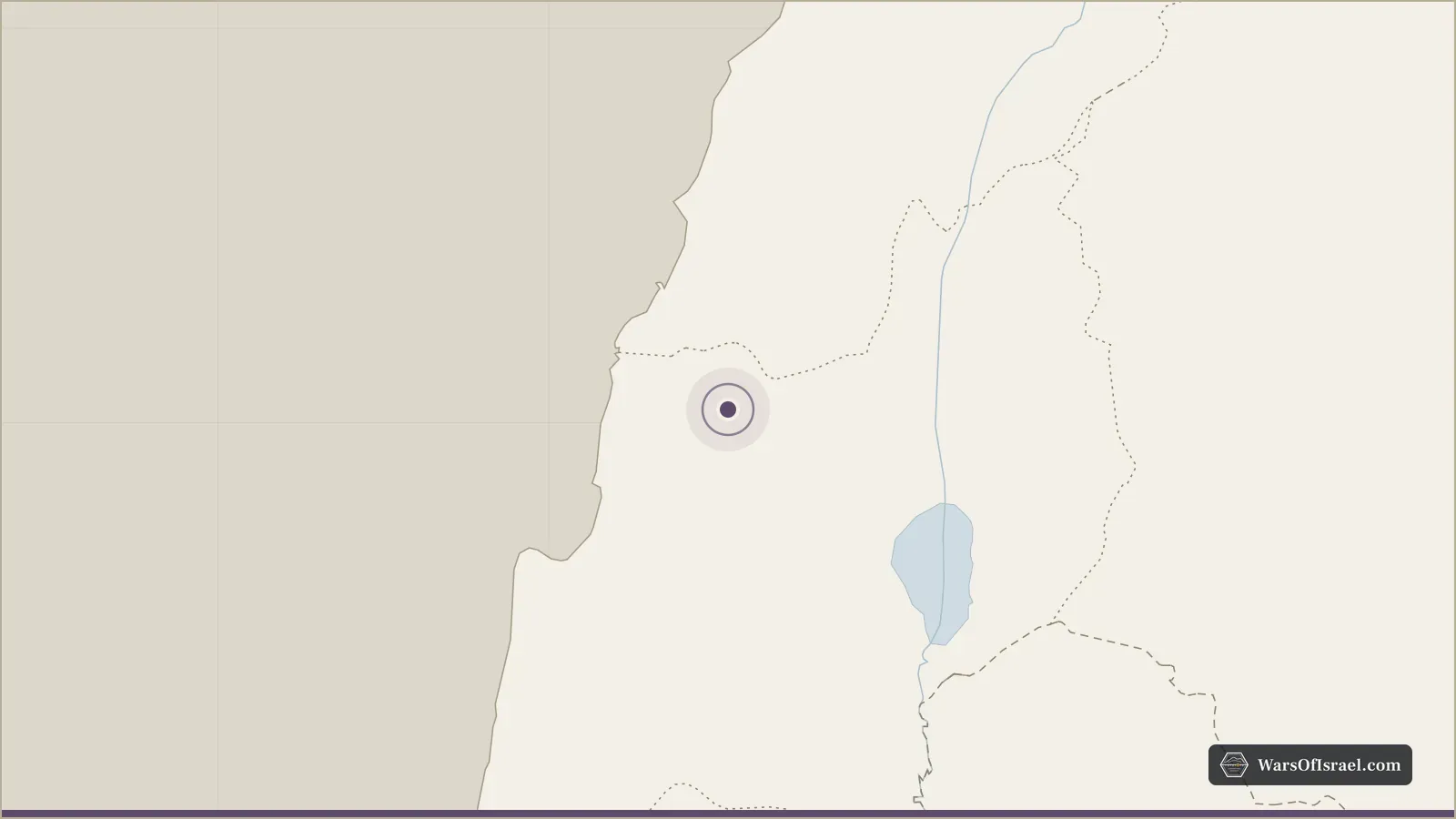
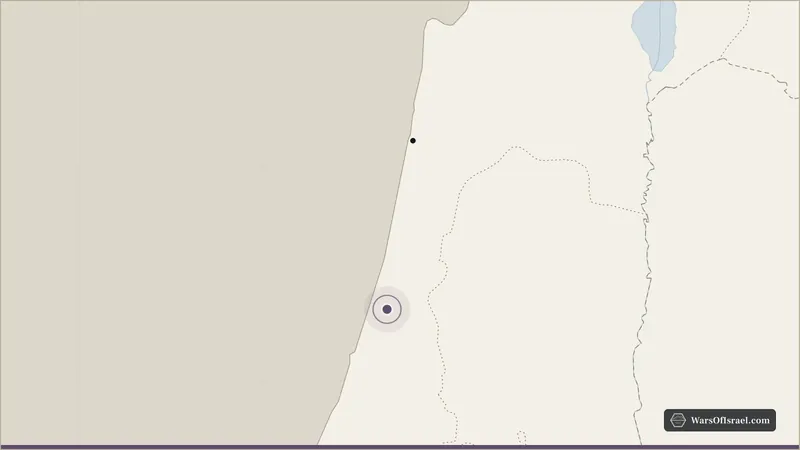
On May 15, 1974, three members of the Democratic Front for the Liberation of Palestine (DFLP), Nayef Hawatmeh's faction of the PLO, seized the Netiv Meir elementary school in the northern development town of Ma'alot. Sleeping inside were teenagers from a high school in Safed, on a pre-military Gadna field trip. By evening the standoff had ended in an assault by Sayeret Matkal, and 22 of the students were dead. Few attacks have marked Israeli memory as deeply, and few have changed so much in the way the state answers hostage-taking.
Background: a new wave of cross-border raids
The attack came seven months after the Yom Kippur War, at a moment when Palestinian factions based in southern Lebanon were sending small squads across the border to strike at civilian targets in the Galilee. Weeks earlier, on April 11, 1974, a Popular Front for the Liberation of Palestine, General Command (PFLP-GC) squad had killed 18 people in an apartment building in Kiryat Shmona. The DFLP, which presented itself as the left wing of the Palestinian movement, chose the hostage model familiar from the Munich massacre two years earlier: seize civilians and demand the release of prisoners held in Israel.
Israel's political leadership was in transition. Golda Meir had resigned in April in the aftermath of the war and was heading a caretaker government; Mordechai Gur had only recently become chief of staff.
What happened in Ma'alot
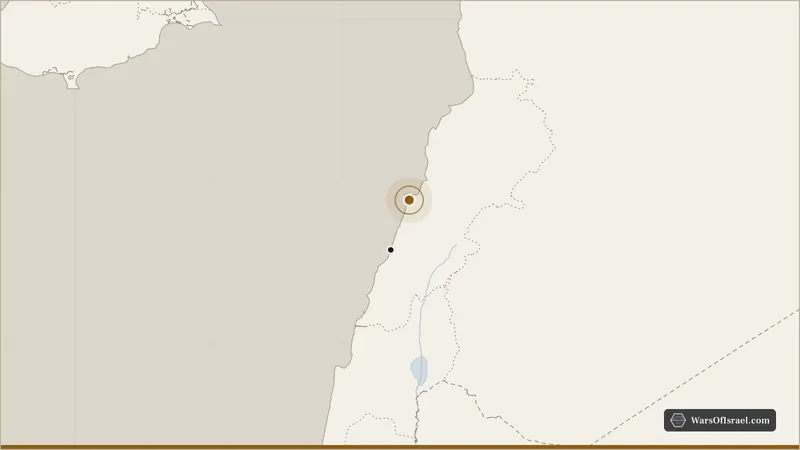
After crossing from Lebanon, the squad, dressed in IDF uniforms, fired on a van carrying workers home to the Arab village of Fassuta. A 27-year-old Christian Arab woman from the village was killed. In Ma'alot the gunmen broke into an apartment and murdered Yosef and Fortuna Cohen and their four-year-old son, Eliahu. Their five-year-old daughter survived her wounds.
Around dawn they entered Netiv Meir, where more than 100 students and their escorts were spending the night. Some teenagers escaped through windows, and most of the accompanying teachers also got out; about 85 to 90 students remained as hostages, according to the World Jewish Congress and later reconstructions. The gunmen demanded the release of prisoners held in Israel, about 20 according to the Jewish Telegraphic Agency's report of the day and 26 in later accounts, with a deadline of 6 p.m., and threatened to kill the hostages if it passed.
The caretaker cabinet, breaking with its declared refusal to bargain with hostage-takers, agreed to negotiate. Arrangements for an exchange stalled over the mechanics of verification and the code word that would confirm the prisoners' arrival abroad, according to contemporary reporting by the Jewish Telegraphic Agency. With the deadline close, the government authorized a rescue. Sayeret Matkal moved in late in the afternoon, shortly before the deadline. The gunmen had time to open fire on the students before all three of them were killed.
The toll and the counting
Twenty-two students died in the school. Counts of the total dead differ according to what they include: the World Jewish Congress gives 25 hostages killed, 22 of them children, and 68 hostages wounded; Tablet Magazine puts the total killed in and around Ma'alot at 28. The name of the Fassuta worker killed on the road was long omitted from the school's memorial and was added to a new memorial in Safed decades later, Ynet reported in 2015.
Consequences and memory
The next day the Israeli Air Force struck DFLP and PFLP targets in southern Lebanon. At home, anger focused on the rescue: the approach to the building, the planning and the escorts who had escaped. Attorney General Meir Shamgar found that the teachers had not broken the law, a conclusion many parents rejected. A commission of inquiry headed by Amos Horev examined the conduct of the government and security forces. The most lasting result was the creation of Yamam, the Israel Police counterterrorism unit, dedicated to hostage rescue inside Israel.
Ma'alot also hardened the policy questions that would return at Entebbe in 1976 and on the Coastal Road in 1978: when to negotiate, when to strike, and who decides. In Safed and Ma'alot the victims are commemorated each year, and the families of survivors have continued to press for a fuller public account of the day.