AttackWar of IndependenceReference entry
The Deir Yassin massacre (1948)
The documented facts of the Irgun and Lehi attack on Deir Yassin, the debate over the death toll, and the massacre's lasting effect on the war and on memory.
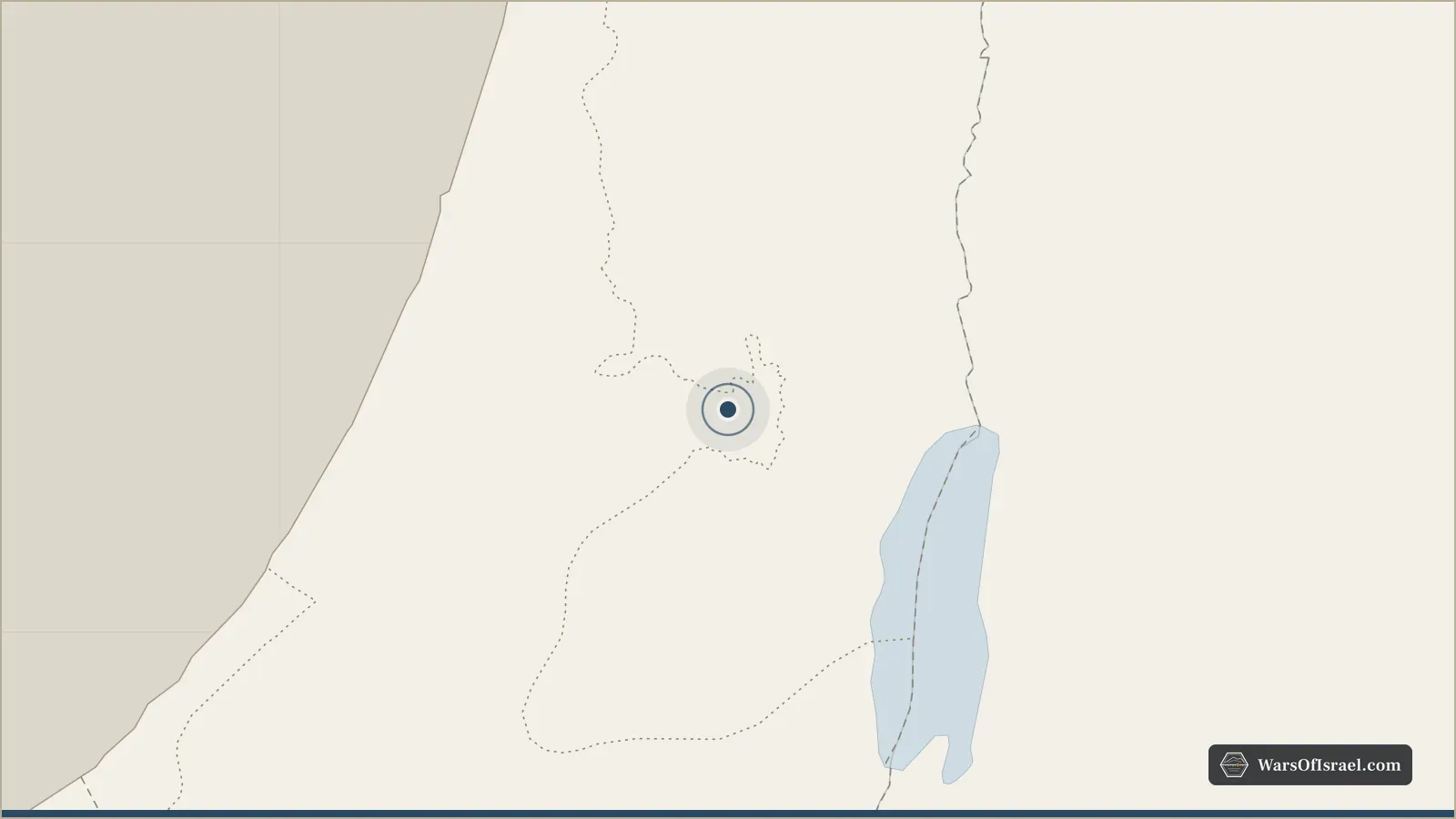
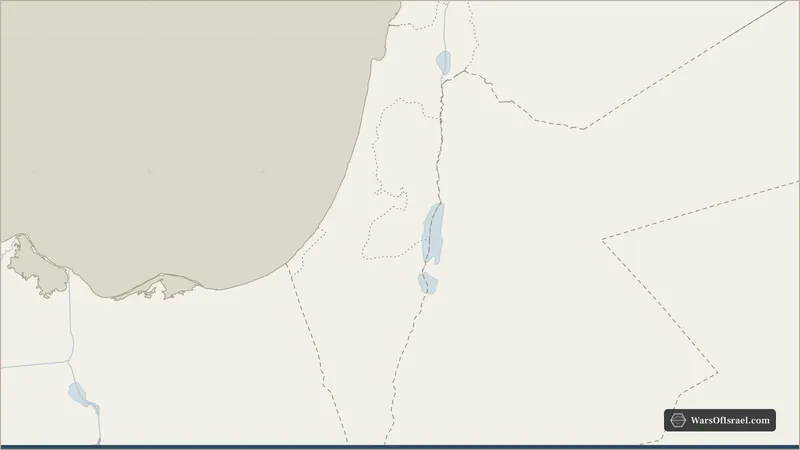
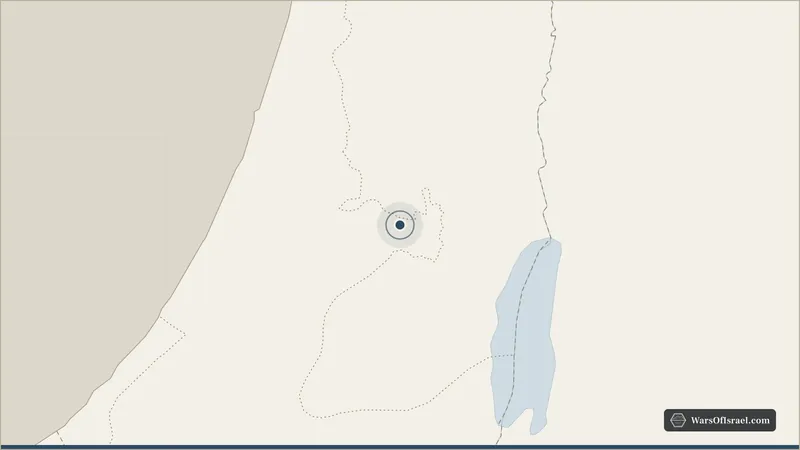
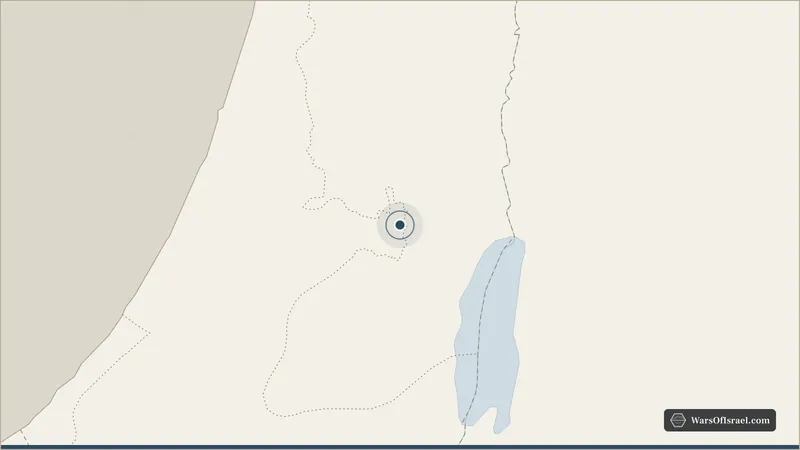
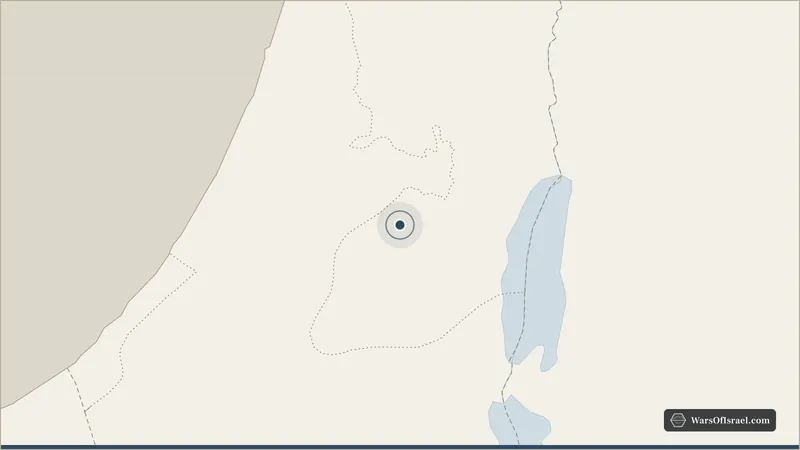
On April 9, 1948, fighters of the Irgun and Lehi, the two Jewish underground groups that operated outside the Haganah's command, attacked Deir Yassin, an Arab village on the western edge of Jerusalem. By the end of the day the village was in their hands and about 100 of its residents had been killed, many of them women, children and elderly people. The killings were condemned at once by the Jewish Agency and the Haganah. A grossly inflated death toll, spread in the following days by the attackers and by Arab leaders alike, made Deir Yassin one of the most consequential events of the 1947 to 1949 war.
Background
Deir Yassin was a stone-quarrying village of several hundred people on a hill overlooking the western approaches to Jerusalem. Estimates of its population range from about 400 to 750. It had made a non-aggression arrangement with the neighboring Jewish quarter of Givat Shaul, and by most accounts had kept it.
In early April the Haganah was fighting Operation Nachshon to open the road to Jerusalem, and the battle for nearby al-Qastal was at its height. The Irgun and Lehi planned their own operation against Deir Yassin. David Shaltiel, the Haganah commander in Jerusalem, did not object, on condition that the attackers hold the village afterward, though according to several accounts he did so reluctantly.
What happened
The attack began before dawn on April 9 with about 130 Irgun and Lehi fighters. A loudspeaker warning to the residents is said to have been mounted on an armored car, but the vehicle got stuck in a ditch and it remains disputed whether the warning was heard. The village's armed men resisted, and the fighting went on for hours as the attackers moved from house to house with rifles, grenades and explosives. A Palmach squad entered the village to help, and the Haganah provided covering fire. Four or five attackers were killed and dozens were wounded.
Many villagers were killed in their homes during the house-to-house fighting. Others, according to testimony gathered by historians, were killed after the fighting, and some of the captured residents were driven through the streets of Jerusalem before being released near the Old City. Survivors and Haganah observers reported atrocities. The documented record does not settle every detail, and historians still debate how many died in combat and how many were killed afterward.
The death toll was itself distorted from the start. On April 10 an Irgun commander told reporters that 254 people had been killed, a figure repeated by the international press and by Arab leaders, who also added unverified atrocity claims in the hope of rousing Arab states to intervene. Later research reduced the number sharply. A 1988 study by Birzeit University, led by Sharif Kanaana, counted 107 dead, 11 of them armed; historian Eliezer Tauber counted 101. Most historians now accept a figure of about 100 to 110.
Outcome and significance
The Jewish Agency condemned the killings and sent a letter of apology to King Abdullah of Transjordan, who rejected it. The Haganah denounced the Irgun and Lehi, while playing down its own part. In 1949 the Jerusalem neighborhood of Givat Shaul Bet was built on the village's lands, and in 1951 a mental health center opened among its surviving buildings.
The massacre's influence went far beyond the village. Historian Benny Morris counts it among the most important single events behind the Palestinian Arab flight of 1948: reports of Deir Yassin, magnified by the exaggerated figure, spread terror in villages across the country. It also hardened the resolve of Arab governments to intervene. Four days later, Arab fighters who ambushed the Hadassah medical convoy in Jerusalem cited Deir Yassin as a motive, and the cry was raised again a month later at Kfar Etzion. For Palestinians, Deir Yassin remains a central symbol of the Nakba; in Israel, it has been at the center of the long debate over the conduct of Jewish forces in 1948.