Military operationSecond intifada to the Gaza operationsReference entry
Operation Northern Shield (2018 to 2019)
How Israel exposed Hezbollah's cross-border tunnels in six weeks of engineering work, and why the operation ended without a battle.
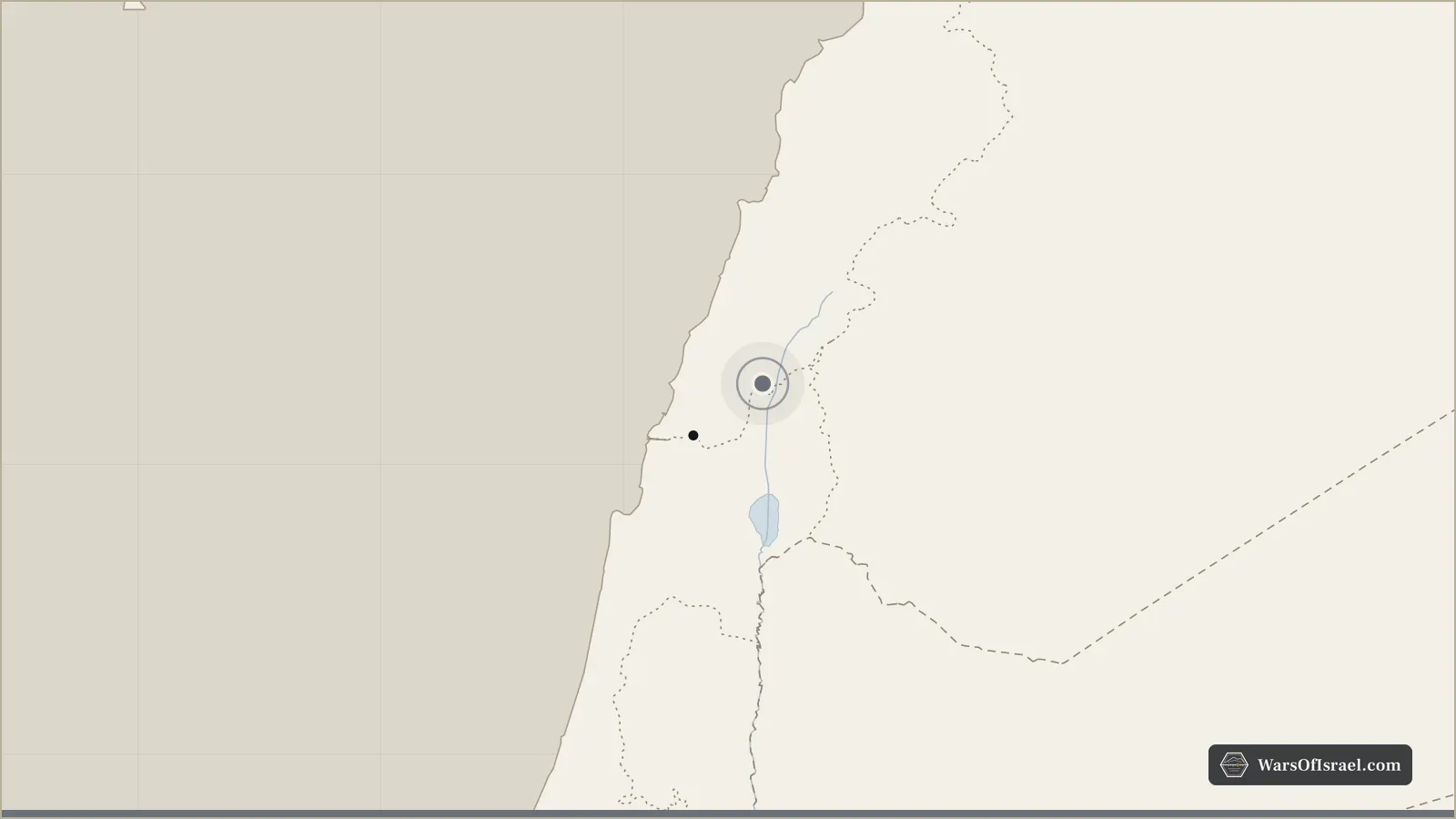
Operation Northern Shield (Magen Tzfoni) was a military operation in which the Israel Defense Forces located and neutralized attack tunnels that Hezbollah had dug from southern Lebanon under the border into Israel. It began on December 4, 2018, and the IDF declared it complete on January 13, 2019, after six tunnels had been exposed. What made the operation unusual was its form: it was carried out by bulldozers, drills and intelligence officers rather than by fire, on the Israeli side of the Blue Line, and it ended without a single exchange of fire with Hezbollah.
The threat beneath the border
After the Second Lebanon War in 2006, Hezbollah rebuilt its forces in southern Lebanon despite Security Council Resolution 1701, which called for the area south of the Litani River to be free of armed groups other than the Lebanese army and UNIFIL. Its leader, Hassan Nasrallah, spoke openly of a plan to "conquer the Galilee" in a future war, and Israel assessed that the elite Radwan unit was preparing to send fighters across the border.
The tunnels Hamas used in Gaza during Operation Protective Edge in 2014 sharpened Israeli attention to the possibility of a similar threat in the north, where residents of border communities had long reported hearing digging under their homes. According to the IDF, intelligence work on the tunnels began years before the operation, and the decision to act was made once the army believed it knew where they ran.
The geology in the north is different from Gaza's sand: the tunnels there were cut through hard rock, slowly and at great depth, and their entrances were hidden inside homes in Lebanese villages close to the border.
Six weeks of digging
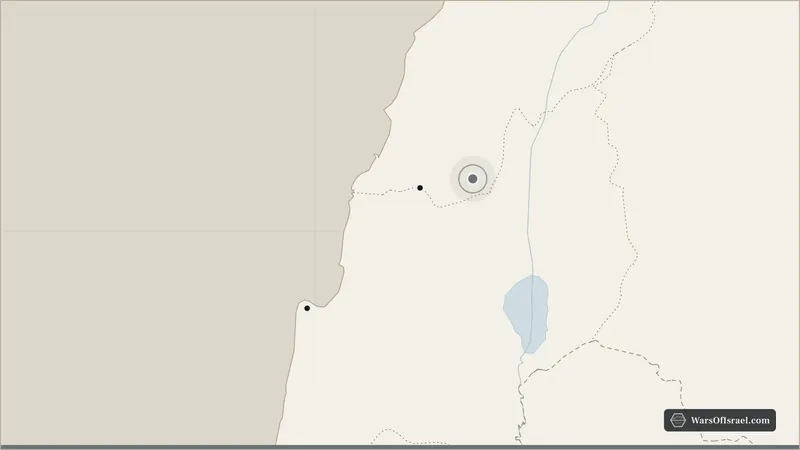
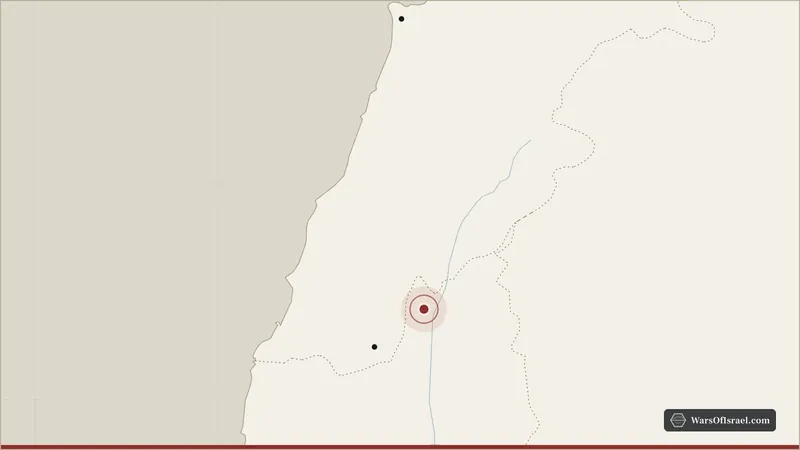
On December 4, 2018, the IDF announced the start of the operation and the discovery of the first tunnel, which began inside a house in the village of Kafr Kila and crossed under the border toward Metula. According to the IDF it was about 200 meters long, with about 40 meters inside Israel. Further tunnels were exposed over the following weeks, among them one that started in the village of Ramyeh and headed toward the moshav of Zar'it, and another in the area of Ayta al-Shaab. Combat engineering units, including the Yahalom special unit, drilled down to the passages, filled them with explosives or concrete, or sealed them from the Israeli side.
The operation was accompanied by a diplomatic effort. Israel briefed foreign governments and asked UNIFIL to act on the Lebanese side. In December 2018 UNIFIL confirmed the existence of tunnels near the Blue Line and said that at least two of them crossed it, in violation of Resolution 1701. Hezbollah did not respond with force; its leadership said little in public at first, and Nasrallah later played down the importance of the tunnels. The Lebanese government focused its objections on the Israeli border fence works in disputed sections of the line.
On January 13, 2019, after the sixth tunnel had been found starting in Ramyeh, the IDF announced the end of the operation. In June 2019 it took reporters into the last tunnel of the series, which it described as the longest and deepest Hezbollah had dug: almost a kilometer long, starting deep inside Lebanon and crossing into Israel near Zar'it. The IDF said it was not aware of any further cross-border tunnels.
Outcome and significance
Northern Shield removed a threat that Israel considered a key part of Hezbollah's offensive plan, without a war and without casualties. It also showed the limits of the UN mechanisms in southern Lebanon: the tunnels had been dug under the noses of UNIFIL and the Lebanese army over several years, and their exits had been planned to open inside Israel.
The operation did not change the basic balance on the border. Hezbollah kept its rocket arsenal and its forces in the south, and Israel continued its parallel campaign between the wars in Syria against Iranian arms transfers. After October 8, 2023, when Hezbollah opened fire in support of Hamas, the IDF found during the Israel-Hezbollah war of 2023 to 2024 underground positions and passages on the Lebanese side of the border, inside Lebanon rather than crossing into Israel, showing that the underground was still part of Hezbollah's plans.