Military operationSix-Day War to Yom KippurReference entry
Operation Rimon 20 (1970)
Why Israeli and Soviet pilots met in the sky west of the Gulf of Suez, how the planned ambush unfolded, and how both superpowers and Egypt handled the result.
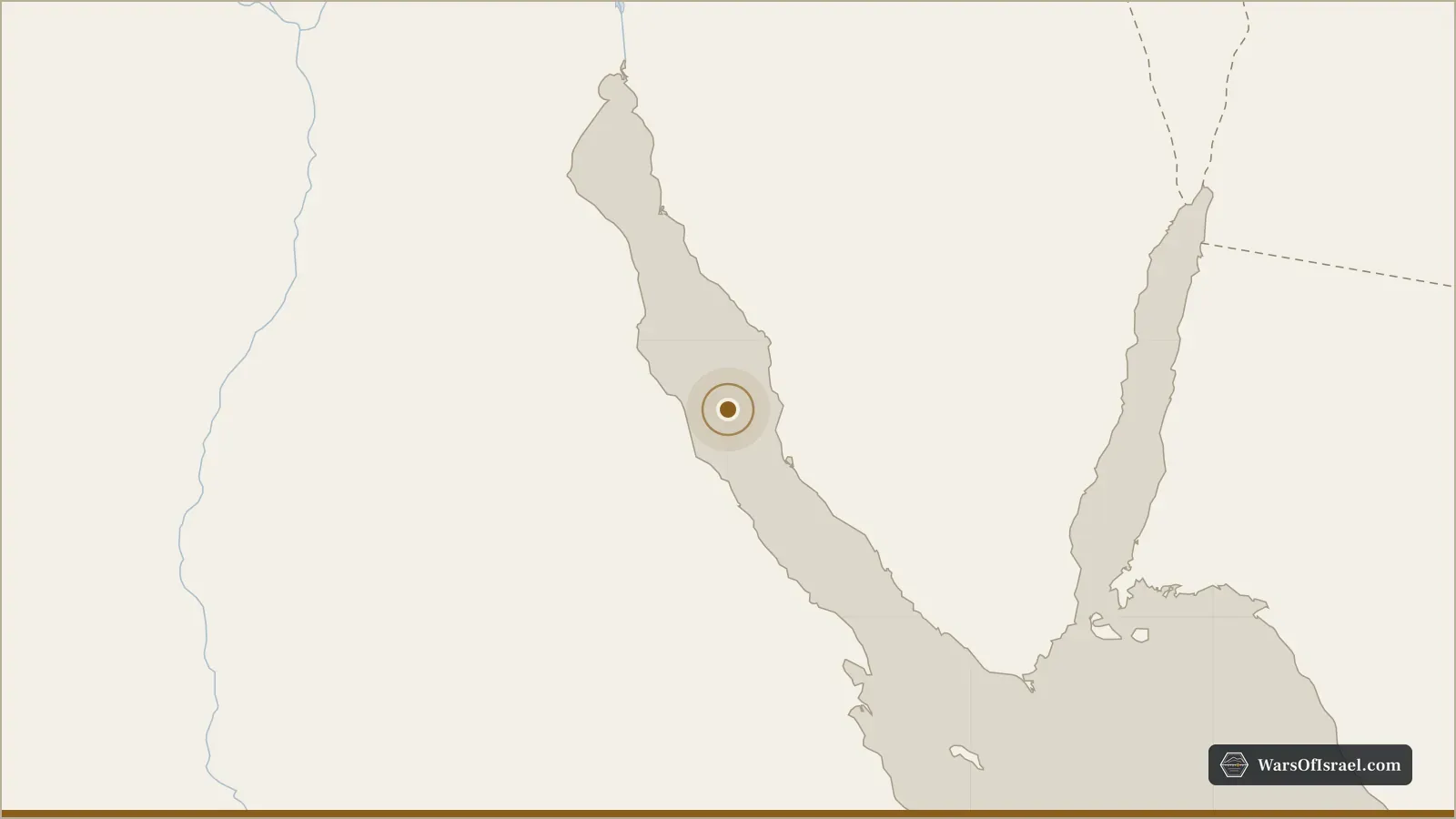
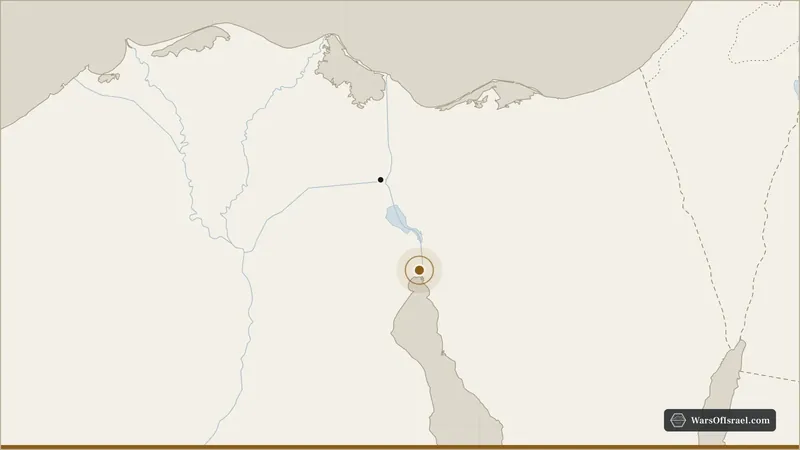
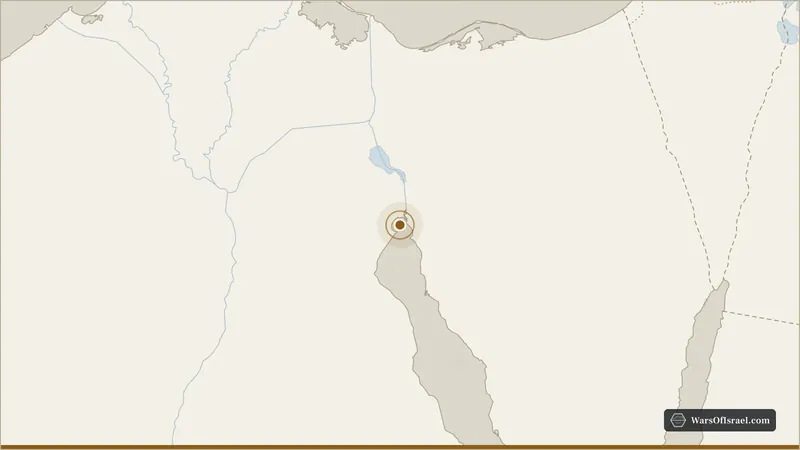
Operation Rimon 20 was a planned air ambush on July 30, 1970 in which Israeli Air Force fighters engaged MiG-21s flown by Soviet pilots west of the Gulf of Suez and shot down five of them. Four Soviet pilots were killed. Israel lost no aircraft. It was the only large, deliberate air battle between Israeli and Soviet pilots, and it came at the very end of the War of Attrition: eight days later, on August 7, 1970, a ceasefire took effect along the Suez Canal.
Soviet pilots over Egypt
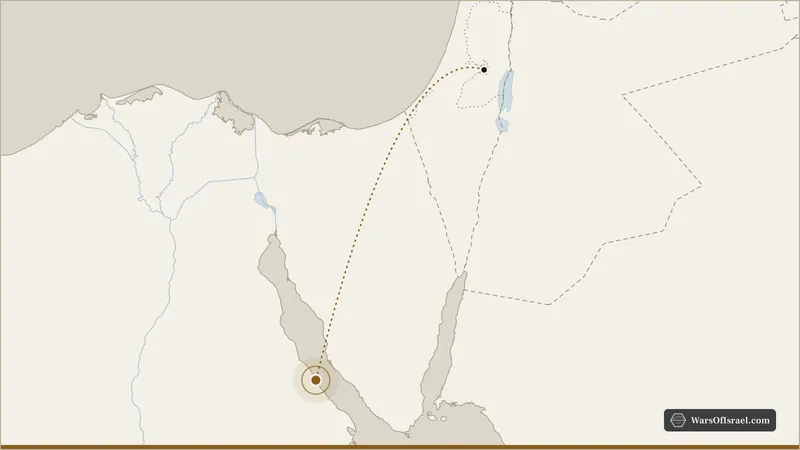
Israel's deep-penetration air raids of early 1970 had pushed Nasser to ask Moscow for direct help. Under Operation Kavkaz, the Soviet Union sent surface-to-air missile units and several squadrons of MiG-21 fighters, with their own pilots, to defend Egypt's interior. Israel learned of their presence quickly, and from April 1970 it halted its raids deep inside Egypt to avoid a direct confrontation with the superpower.
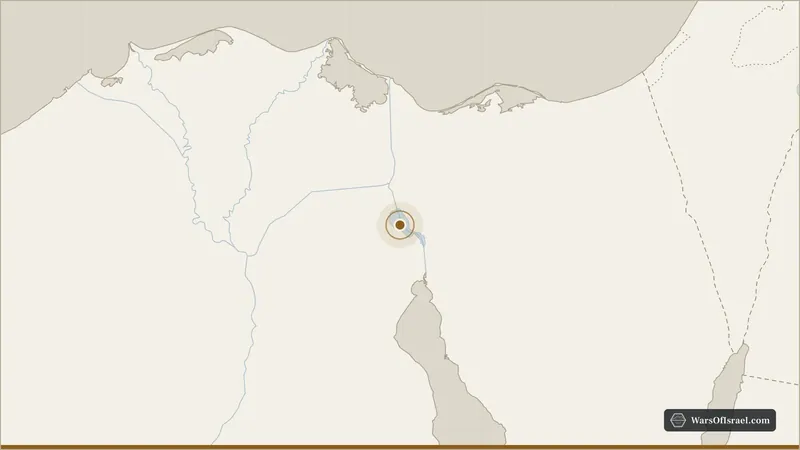
The Soviet fighters did not stay in the interior. Through the summer they flew closer to the canal, and on July 25, 1970 Soviet MiGs intercepted Israeli A-4 Skyhawks on a ground-attack mission and chased them toward Sinai; one Skyhawk was hit by a missile and made an emergency landing at Refidim. The Israeli command, led by Chief of Staff Haim Bar-Lev and air force commander Mordechai Hod, concluded that if the Soviet pilots were not deterred, Israel's freedom of action along the canal would erode. The government approved a response designed to be decisive and quiet.
The ambush on July 30
The plan used a bait. Four Israeli Mirages flew in a tight formation meant to look, on Egyptian and Soviet radar, like a single reconnaissance aircraft over Egyptian territory west of the Gulf of Suez, while Phantoms struck an Egyptian radar site in the style of an ordinary ground-attack day. When Soviet-flown MiG-21s scrambled to intercept, more Mirages and the Phantoms closed the trap. According to Israeli accounts, the Israeli force numbered 12 Mirages and 4 Phantoms against about 24 MiG-21s.
The dogfight lasted only a few minutes. Five MiG-21s were shot down, by Israeli pilots including some of the most experienced in the air force. Four of the Soviet pilots were killed and a fifth ejected safely. One Israeli Mirage was damaged by an air-to-air missile, but its pilot, Asher Snir, landed it at the Refidim air base in Sinai. No Israeli aircraft was lost.
Silence and consequences
Neither side publicized the battle at first. The Soviet Union said nothing, and Egypt denied losing aircraft. Israel, keen not to provoke Moscow further while ceasefire talks were under way, also kept quiet officially, though reports leaked within days. Prime Minister Golda Meir confirmed publicly in October 1970 that Soviet pilots had been shot down, and Egypt acknowledged the losses in 1972.
Historians differ on how much the battle changed. Some describe it as a deterrent message that made Moscow more willing to back an end to the fighting. Others, including Ginor and Remez, stress that it did not stop the advance of the Soviet-manned missile belt toward the canal, which shot down an Israeli Phantom on August 3, and that Israel accepted the ceasefire partly because of those missiles. Both readings agree that Rimon 20 was a tactical success with limited strategic effect.
What followed showed the limits of the victory. When the ceasefire took effect on August 7, Egypt immediately moved missile batteries into the standstill zone along the canal. Those missiles would cover the Egyptian crossing on October 6, 1973, at the opening of the Yom Kippur War. In Israel, Rimon 20 is remembered as a high point of the air force's skill in the War of Attrition, and as a reminder of how close the regional war came to a direct clash between Israel and a superpower.