Military operationSix-Day War to Yom KippurReference entry
Operation Rooster 53 (1969)
Why Israel wanted an intact Soviet radar, how a helicopter-borne raid on the Gulf of Suez coast took it, and what the operation meant in the War of Attrition.
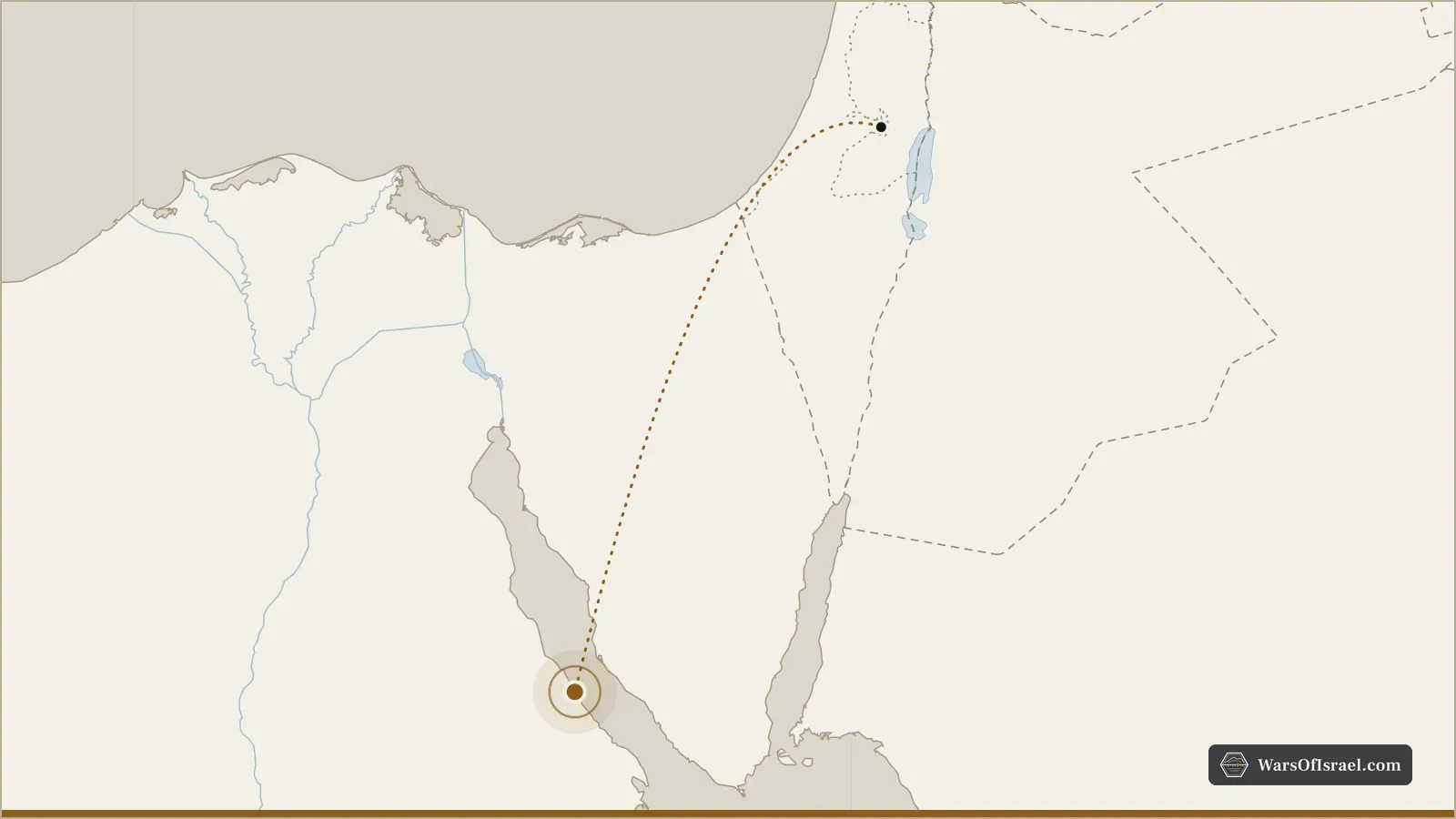
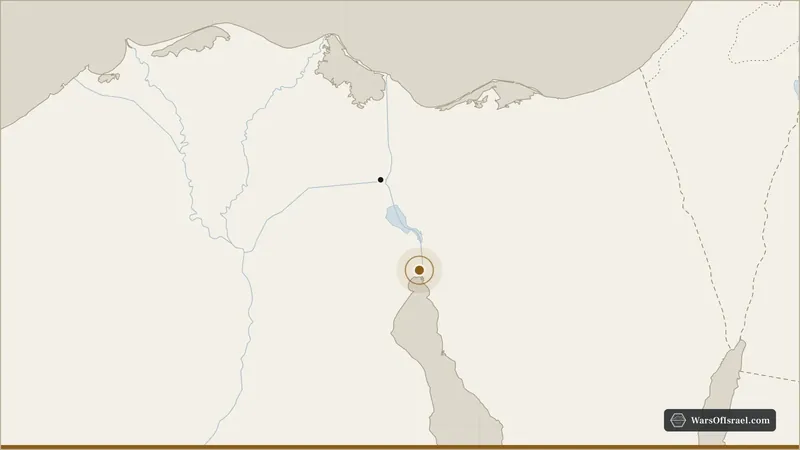
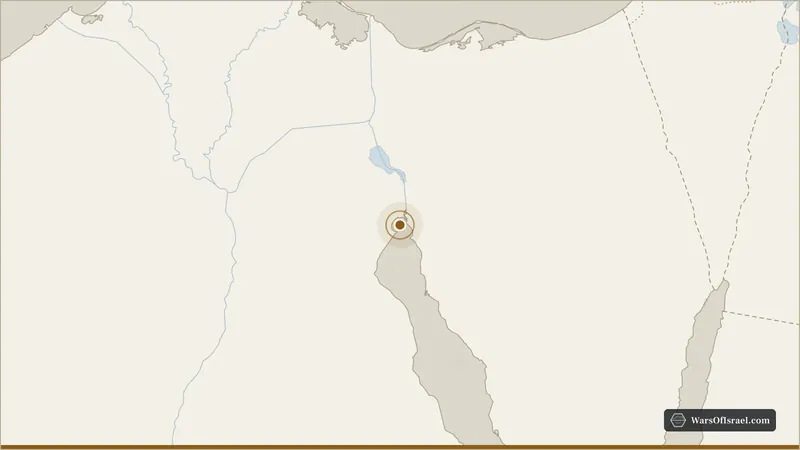
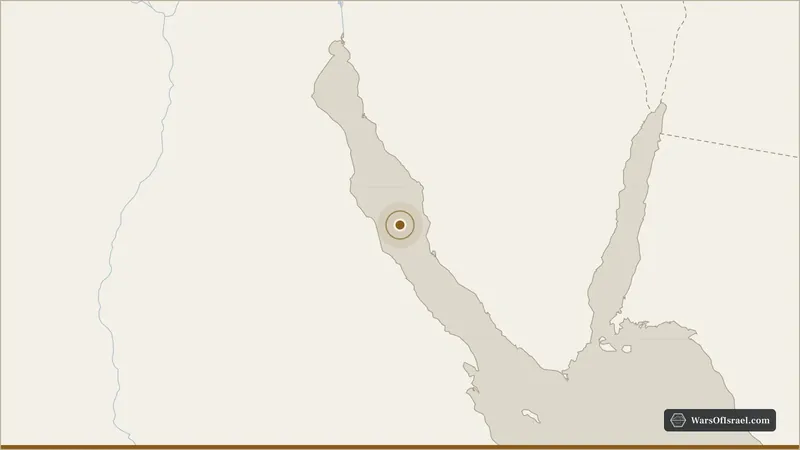
Operation Rooster 53 (Mivtza Tarnegol 53) was an Israeli helicopter-borne raid on the night of December 26 to 27, 1969 in which paratroopers seized an Egyptian radar station at Ras Ghareb, on the western shore of the Gulf of Suez, and carried it away whole. The prize was a Soviet-made P-12 early-warning radar, one of the systems that guided Egypt's air defenses against Israeli aircraft. Two heavy-lift helicopters flew the installation, in two loads, back to Israeli-held Sinai. It was one of the most unusual operations of the War of Attrition, and one of the few in which the objective was to take something rather than destroy it.
Why a radar
By late 1969, the Israeli Air Force was flying almost daily over the canal zone and the Gulf of Suez in the campaign that had begun with Operation Boxer after the raid on Green Island. Egypt, with Soviet help, was rebuilding its air defense network, and Israeli intelligence wanted to understand its newest components. Aerial photographs showed a P-12 radar at Ras Ghareb, a remote coastal position about 200 kilometers south of the canal, far from the main front.
Instead of bombing it, the IDF decided to take it. Paratroop commander Rafael Eitan planned the ground raid, the air force planned the helicopter lift, and air force commander Mordechai Hod approved the plan. Israeli intelligence estimated the radar's weight at about seven tons, which raised doubts whether helicopters could lift it at all.
The raid
On the evening of December 26, three Super Frelon helicopters carried a paratroop force from the 50th Nahal paratroop battalion of the 35th Paratroopers Brigade, commanded by Lieutenant Colonel Arie Tzidon, across the gulf. The troops landed near the site and overcame the small Egyptian garrison. They then went to work dismantling the radar, separating the main unit from its antenna and preparing both for lifting.
Two CH-53 Sea Stallion helicopters, known in the IDF as Yasur and newly delivered from the United States, then came in. The main unit turned out to weigh about four tons, less than intelligence had feared but still at the limit of a single CH-53's capacity. During the lift one helicopter suffered a hydraulic failure and had to land short of its destination, and the load was relayed onward. Both parts reached Israeli-held Sinai by the early morning of December 27.
According to Israeli accounts, one Israeli soldier was wounded and none were killed. Four Egyptian soldiers were taken prisoner, and technical manuals were taken with the radar. Accounts differ over some Egyptian casualties at the site, and no Egyptian figure was published.
Significance
The radar gave Israeli specialists the chance to study a current Soviet system in detail, information that helped Israeli pilots and electronic warfare planners in the months that followed. The operation also displayed, to Egypt and to the Soviet Union, how far Israel's heavy-lift helicopters could now reach.
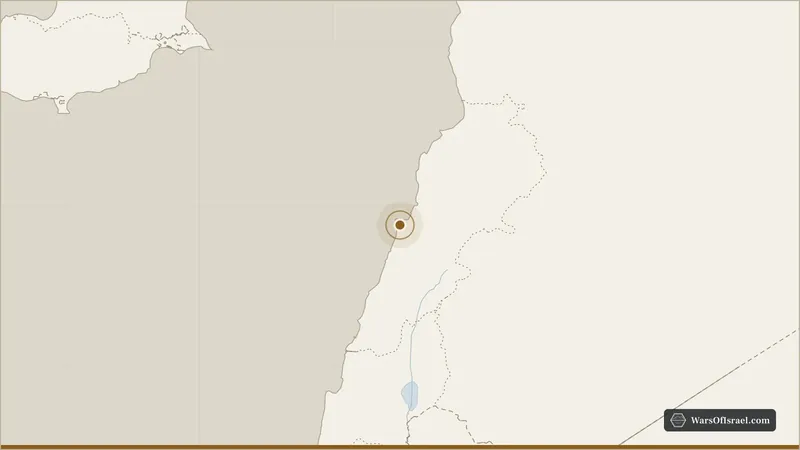
Israeli writers have since stressed how much luck was involved: a mechanical failure, a heavier load than expected and delays that cost precious time all came close to turning a celebrated success into a failure. In public memory, though, Rooster 53 became a symbol of the inventive, small-unit style of the War of Attrition, alongside the Beirut airport raid a year earlier. Within weeks of the raid, Nasser flew to Moscow to ask for direct Soviet help with his air defenses, which in turn set the stage for Operation Rimon 20 in July 1970.