AttackLebanon and the first intifadaReference entry
The Sabra and Shatila massacre and the Kahan Commission (1982)
A factual account of the massacre in the Beirut camps, of the disputed death toll, and of the Israeli inquiry that assigned responsibility.
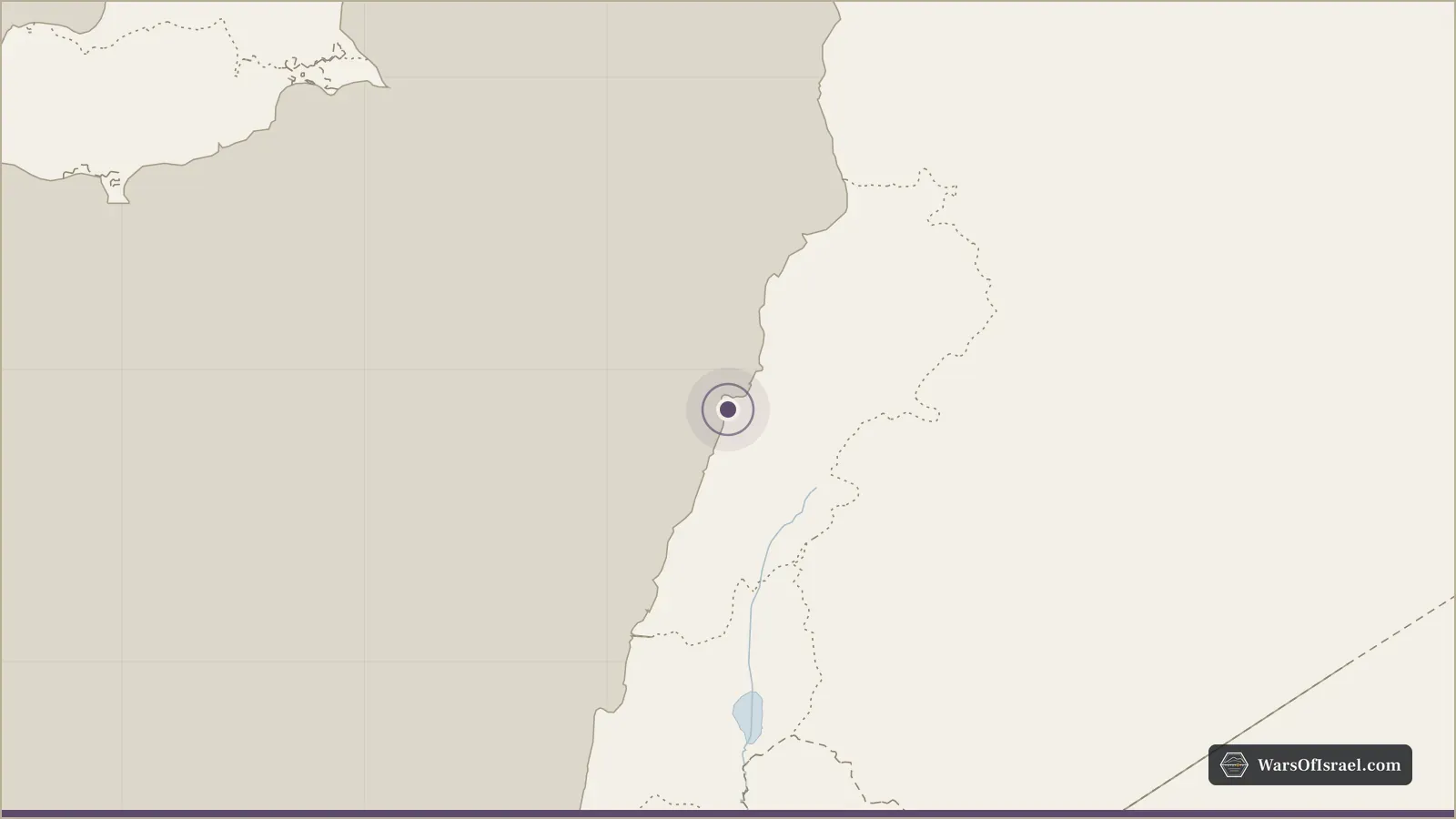
The Sabra and Shatila massacre was the killing of Palestinian and Lebanese civilians by militiamen of the Christian Lebanese Forces in the Sabra neighborhood and the Shatila refugee camp in Beirut, from the evening of September 16 to the morning of September 18, 1982, during the 1982 Lebanon War. The area was surrounded by the Israel Defense Forces, which had allowed the militia to enter. Estimates of the dead range from several hundred to more than 3,000. Israel's state commission of inquiry, the Kahan Commission, found that the militia bore direct responsibility, that Israel bore indirect responsibility, and that Defense Minister Ariel Sharon bore personal responsibility.
Background: Beirut after the PLO's departure
By September 1, 1982, the PLO's fighters had left Beirut under the agreement that ended the siege of Beirut. On September 14, President-elect Bashir Gemayel, the leader of the Lebanese Forces and Israel's chief ally in Lebanon, was killed by a bomb at his party's headquarters. The next day the IDF entered West Beirut. Israel's leaders said they wanted to prevent chaos and to clear out armed men they believed had remained in the camps. The decision to send the Lebanese Forces into Sabra and Shatila was approved by Sharon and Chief of Staff Rafael Eitan; according to the Kahan Commission's report, the Prime Minister, Menachem Begin, was not told of it in advance.
What happened in the camps
The militiamen entered Shatila at about 6 p.m. on Thursday, September 16, according to the commission. Over the following night and day they killed residents, among them women, children and elderly people, in their homes and in the alleys. At the militia's request, Israeli forces fired illumination flares over the area during the night. Reports of killings reached Israeli officers on the evening of September 16 and during September 17, but the operation was not stopped. The militia withdrew on the morning of Saturday, September 18, after an Israeli order to leave, and foreign journalists and aid workers who then entered the camps documented the dead.
The number of victims has never been agreed: - the Lebanese army prosecutor's inquiry counted 460 dead; - Israeli military intelligence, as cited in later histories, estimated 700 to 800; - the Palestinian Red Crescent gave more than 2,000; - historian Bayan Nuwayhed al-Hout documented at least 1,300 named victims and suggested the total may have been higher.
On December 16, 1982, the United Nations General Assembly condemned the massacre in resolution 37/123 D and described it as an act of genocide, by a vote of 123 in favor, none against and 22 abstentions; the genocide label has remained a matter of legal and political dispute.
The Kahan Commission and its consequences
After a mass protest in Tel Aviv on September 25, 1982, the Israeli government set up a state commission of inquiry on September 28, headed by Supreme Court President Yitzhak Kahan, with Justice Aharon Barak and Major General (res.) Yona Efrat. Its report was published on February 8, 1983 and is available as the full English text of the Kahan Commission report (opens in a new tab).
The commission found that no Israeli had taken part in the killing and that the direct responsibility lay with the Lebanese Forces. It concluded, however, that Israel bore indirect responsibility because its leaders had allowed the militia into the camps after the assassination of its leader without considering the clear danger of revenge, and had not acted effectively when reports arrived. It found that Sharon bore personal responsibility and recommended that he leave the defense ministry. It found the Chief of Staff responsible for not giving appropriate orders to prevent the killing, recommended that the Director of Military Intelligence, Yehoshua Saguy, not continue in his post, and criticized other officers and officials, including the Prime Minister and the Foreign Minister.
On February 10, 1983, a grenade thrown at a Peace Now march in Jerusalem calling for the report's implementation killed the activist Emil Grunzweig. On February 14 Sharon left the defense ministry and stayed in the government as minister without portfolio. Elie Hobeika, the Lebanese Forces intelligence chief widely named as the commander in the camps, was never tried; he was killed by a car bomb in Beirut in 2002. For Palestinians the massacre remains one of the central memories of the war. In Israel, the commission's report is cited as a precedent for the principle that political and military leaders are accountable for foreseeable consequences of their decisions.