News
Iran front in October 2026: a US pause on strikes until the midterms, reports of rebuilt factories and a Western warning over hybrid attacks
How the unresolved 2026 war with Iran stands after a month of threats, pauses and diplomatic signals, and what it means for Israel.
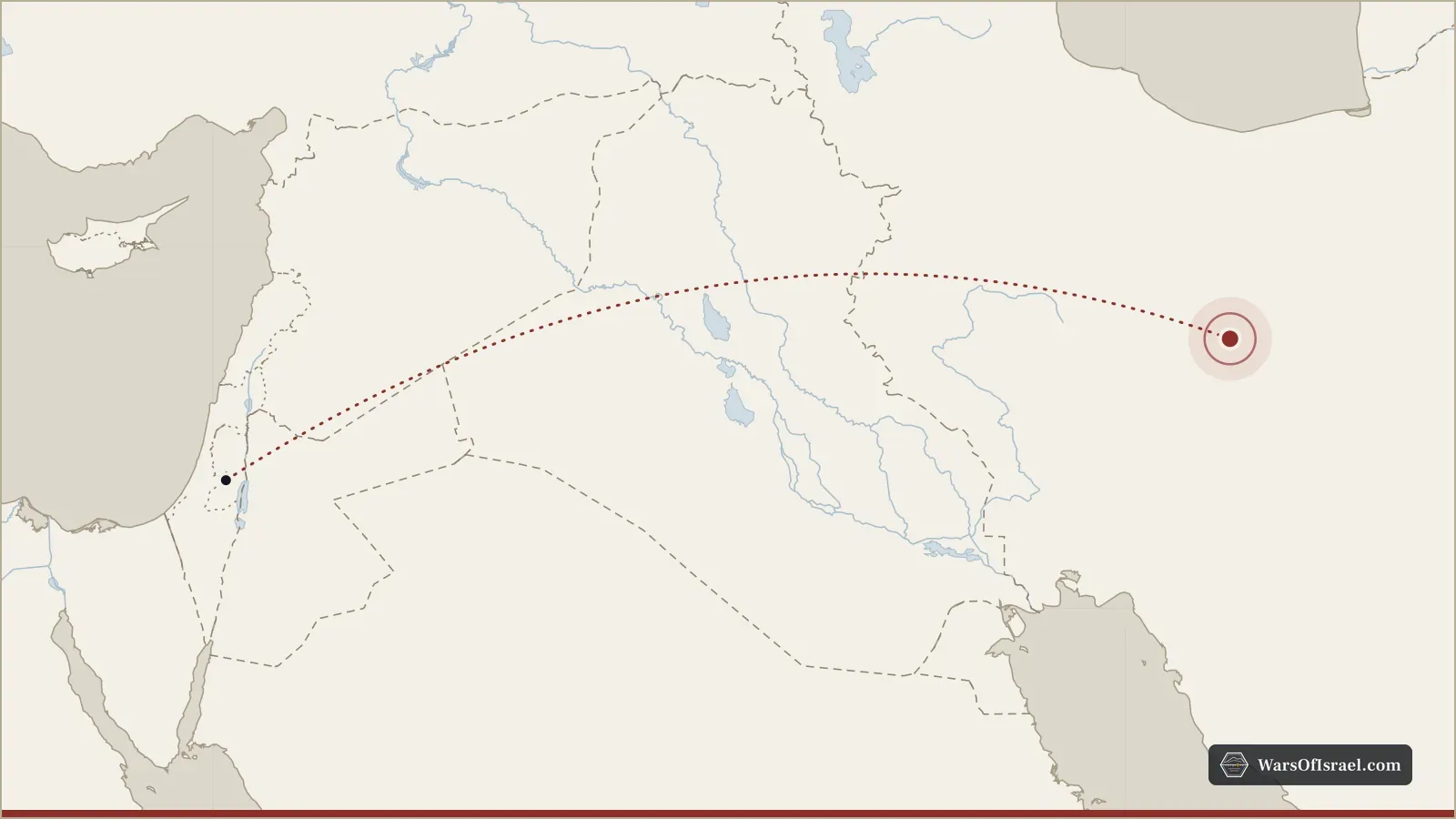
The war with Iran that began with joint US and Israeli strikes on February 28, 2026 has entered a strange interval. As of October 18, 2026, there is no functioning ceasefire agreement and no active bombing campaign: US President Donald Trump announced on October 8 that the United States would not attack Iran before the November 3 midterm elections, while saying in an interview published on October 1 that renewed bombing afterward was "possible." In the same weeks, reports citing unnamed sources said Iran had preserved its missile and drone factories, and Western governments jointly accused Tehran of a campaign of sabotage and plotting abroad. For Israel, which fought Iran directly in June 2025 and again in 2026, every element of this picture bears on its home front.
How the war reached this point
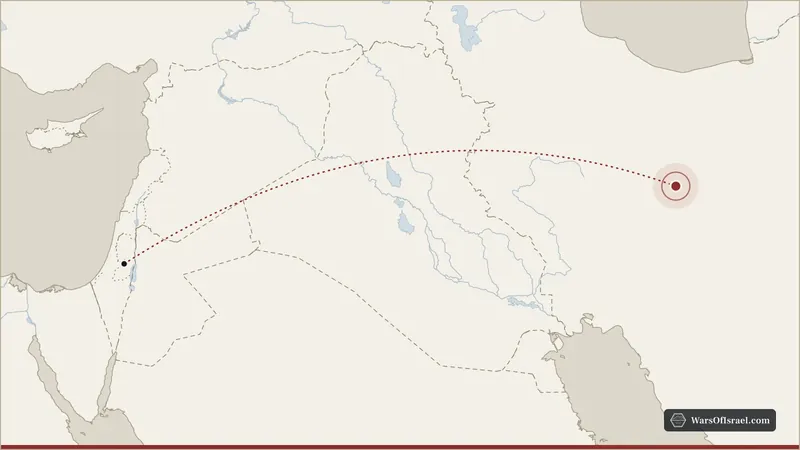
The facts of the war's course are documented. On February 28, 2026, US and Israeli strikes on Iran killed Supreme Leader Ali Khamenei in his Tehran compound, as Iranian state media confirmed on March 1, according to the New Statesman. Iran retaliated against Israel, US bases and several Arab states and closed the Strait of Hormuz. A US-Iran ceasefire agreed in April and a memorandum of understanding signed in mid-June, which also covered Lebanon, both broke down, in large part over control of the strait, according to Al Jazeera. In July, after Iranian attacks on commercial shipping, Trump declared the memorandum over.
Since then the United States has maintained a naval counter-blockade of Iranian ports, and the two sides have exchanged proposals through mediators. On September 30, 2026, Reuters reported (as cited by CBS News) that Iran had proposed a seven-day ceasefire and a phased reopening of Hormuz, conditional on US compliance with the June memorandum. Trump rejected an Iranian offer to open "some aspects of" the strait on October 1, CBS reported.
The midterm pause and the threats around it
Trump's public statements in this period are confirmed by several outlets, and they pointed in two directions. In an interview with Time published on October 1, he said it was "possible" that the United States would intensify bombing after the midterms, according to Axios and CBS News. On October 7, Axios, citing US and Israeli officials, reported that the Pentagon had told US Central Command to prepare for "imminent major combat operations," according to Al Jazeera. A day later Trump wrote on Truth Social that "we will not be attacking Iran at any time prior to the Midterm Elections," and that the sides were "having productive discussions."
Iran's position, as stated by its leaders, combines openness and defiance. President Masoud Pezeshkian said on October 16, in a statement issued by his office during a visit to Yerevan, that Iran is "not seeking nuclear weapons" and has "always been ready for dialogue," but "will not bow to coercion," according to Israel National News. On October 1 he accused the United States of violating the June memorandum by keeping its naval blockade, CBS News reported.
Rearmament and hybrid warfare
Two developments of October 2026 matter particularly for Israeli planners. First, Bloomberg reported on October 9, citing people involved in the matter, that Iran had preserved its missile and drone factories despite months of bombing and could rebuild its stockpiles; Ynet reported the account and added that unnamed Western sources assess Tehran retains production capacity. These are attributed claims from unnamed sources, not confirmed findings, and the US State Department has said that US operations shattered Iran's missiles and launchers, according to CBS News.
Second, on October 12, 2026, foreign ministers of the United States, the United Kingdom, most European Union states, Canada, Australia and others issued a joint statement accusing Iran of "violent attacks, including lethal plotting, arson, sabotage, cyber-attacks" against them and their partners, according to the text published by the UK government. The statement cited an incident at RAF Fairford in England on September 27 that Britain attributed to Iran's Islamic Revolutionary Guard Corps, and a campaign of attacks in Europe on Jewish communities claimed by a group calling itself Harakat Ashab al-Yamin al-Islamiya. Israel is not a signatory. Prime Minister Benjamin Netanyahu said on September 30 that Israel had warned Britain of the Fairford plot in advance, according to CBS News, citing Fox News.
What it means for Israel
The analysis of Wars of Israel is that the October pause leaves Israel in an exposed position. The confirmed facts show a conflict suspended by US domestic politics rather than settled by agreement, an adversary whose leaders publicly signal both negotiation and resistance, and reports, still unconfirmed, that Iran's production base survived. That combination makes a renewed round after November 3 a real possibility, though not a certainty: Trump has also said the sides are talking, and Iranian officials have said they are weighing a US counterproposal, according to Al Jazeera. The earlier rounds, from the April 2024 exchange to the June 2025 war, showed that each direct confrontation was followed by a period in which both sides rebuilt. As of October 18, 2026, the question is which side is rebuilding faster.