News
IDF and Shin Bet say three Khan Yunis strikes killed six operatives from three groups
The November 4 announcement describes three strikes and several military roles, while leaving the underlying intelligence and wider effects undisclosed.
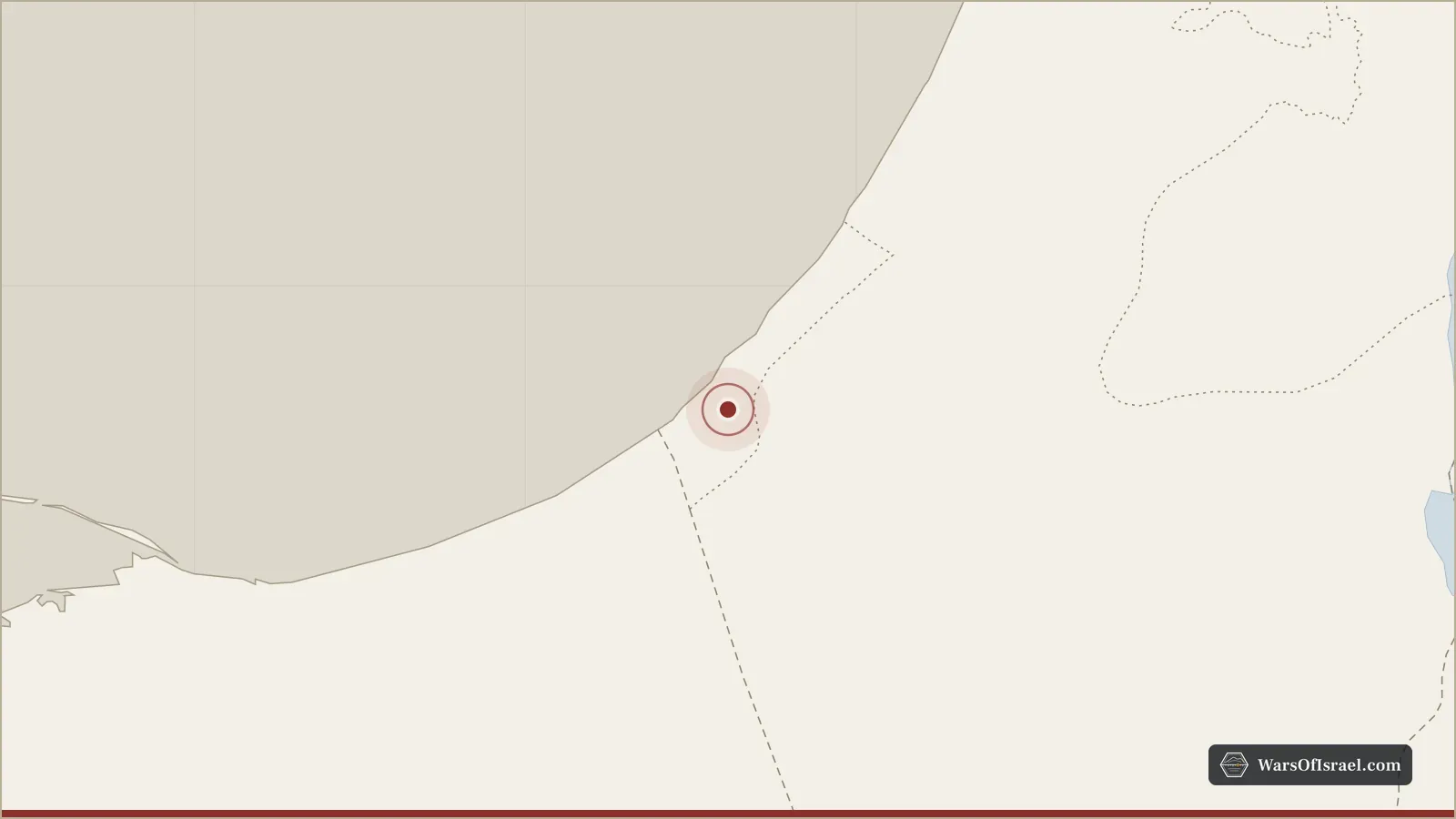
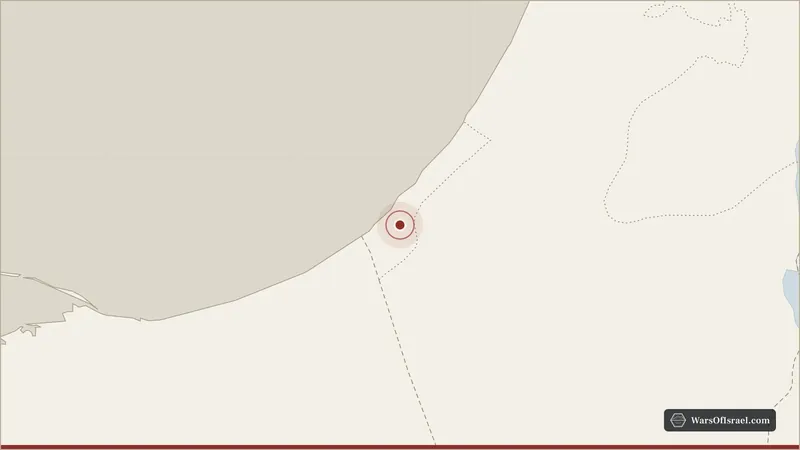
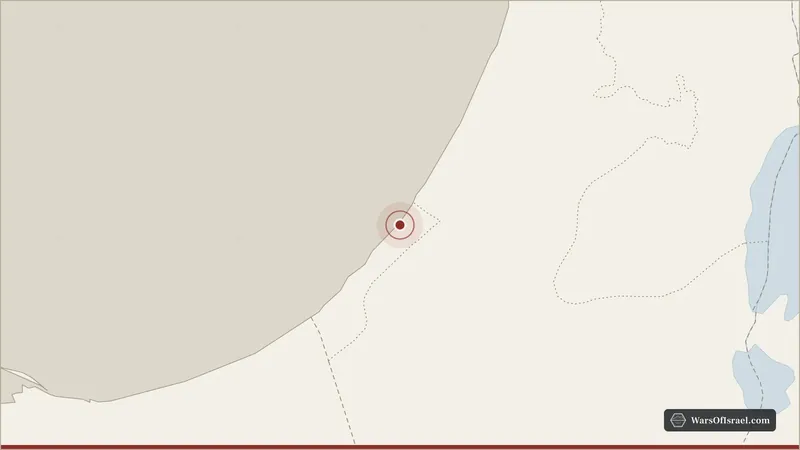
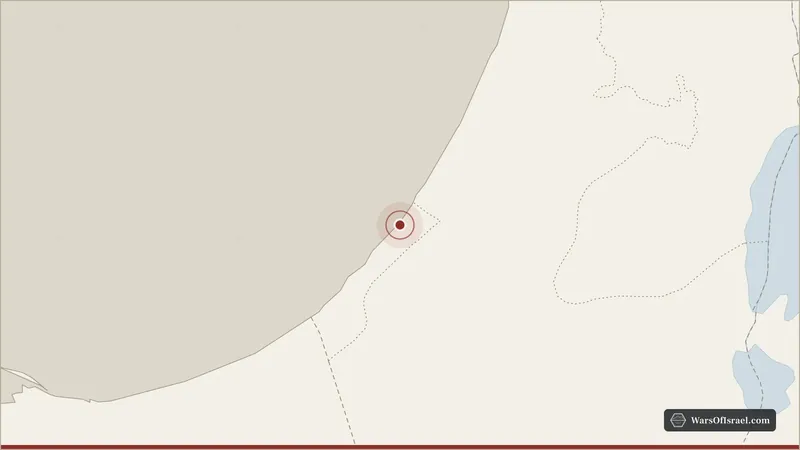
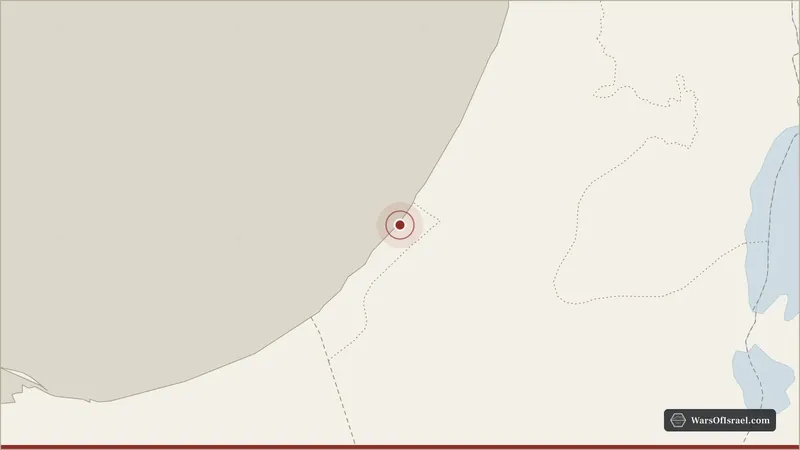
Israeli security agencies reported on November 4, 2026 that six operatives were killed in three separate strikes carried out near Khan Yunis over November 1 and 2. Those killed were tied to the Army of Islam, Palestinian Islamic Jihad and Hamas. The joint IDF-Shin Bet account names several of the men by role, among them cell commanders, snipers and someone described as handling smuggling. This report concerns a distinct incident from the earlier announcement about Jamal Abu Saeed in Gaza City. Both the fatalities and the roles assigned to each man come from the Israeli agencies themselves.
Three strikes and six named operatives
The IDF's dated November 4 account distinguishes two strikes on November 2 from another on November 1. That chronology is important: the publication date is not the date of the attacks, and the six men were not described as having been killed in one strike.
Among those named in the November 2 strikes, the agencies pointed to Mahmoud Jihad Mohammad Qafa, whom they describe as having led a sniper cell for Hamas. A second man killed that day, Asaad Suleiman Salman Qashta, is tied by the agencies to the Army of Islam and to moving goods into Gaza. No public list of what Qashta allegedly smuggled was released.
Four more men died in the November 1 strike, per the official announcement and separately confirmed by The Jerusalem Post's reporting. Mohammad Zakaria Al-Jamal is named as a cell leader within Hamas. The report describes Mohammad Amin Al-Namas as holding a Hamas military role, while Shaher Mohammad Zaarab is said to have commanded a company within Hamas's Nukhba unit. The fourth, Mohammad Ali Abu Shaar, served as a sniper with Palestinian Islamic Jihad, according to the same announcement.
That makes four identified by the agencies as Hamas members, one as an Army of Islam member and one as a Palestinian Islamic Jihad member. JNS also reported the three-strike chronology and attributed the account to the IDF and Shin Bet. These publications report the agencies' findings; they do not constitute separate forensic confirmation of each death or organizational role.
Israel describes an effort to prevent rebuilding
According to the IDF and Shin Bet, these men had been pushing forward plots against Israeli troops and civilians while helping rebuild their groups' capabilities, something the agencies describe as a ceasefire violation in itself. The strikes, in Israel's framing, were carried out to eliminate that danger.
Their explanation identifies several functions rather than a single command structure: sniping, local command, an assault-unit command and smuggling. This helps explain why the announcement concerns multiple organizations in the same area. It does not establish that the six were operating together as one cell or that they were involved in a single planned attack.
The statement does not disclose the underlying intelligence, the date of an intended attack or a detailed assessment of civilian harm. The absence of those details is a limit on the public account, not evidence that no other people were affected. No additional casualty total is assigned to these strikes here.
The ceasefire framework addresses weapons and governance
The security agencies' claim of rebuilding concerns an issue explicitly addressed in Security Council Resolution 2803 (opens in a new tab), adopted on November 17, 2025. The resolution endorsed the Gaza peace plan, called for maintaining the ceasefire and authorized an international stabilization force with tasks including demilitarization, protection of civilians and support for vetted Palestinian police.
It also tied Israeli withdrawal to agreed milestones linked to demilitarization. Those provisions describe the intended framework; they do not establish how much of it has been implemented by November 2026. The site's account of Gaza ceasefires and hostage releases provides the earlier negotiating context.
On January 16, 2026, the White House announced the formation of a Palestinian technocratic administration committee and described arrangements intended to connect civilian governance, reconstruction and security. That announcement records an institutional plan, not proof that every armed group subsequently relinquished its capabilities.
The British government's November 24, 2025 statement to the Security Council had similarly linked Hamas disarmament with an end to its governing role, while calling for international and Palestinian security arrangements to prevent a vacuum. These earlier documents show why an allegation of renewed military capacity matters beyond the outcome of an individual strike.
A separate incident from the Gaza City announcement
The Khan Yunis account should not be merged with the report about Jamal Abu Saeed, already published by Wars of Israel. Although both announcements appeared on November 4, the Gaza City strike concerned a different named individual and location. The six-person Khan Yunis list excludes Abu Saeed.
Within the longer Israel-Hamas war, this report therefore records a specific set of strikes and the agencies' explanation for them. It does not announce a new ground campaign, the elimination of the organizations involved or the collapse of the ceasefire.
The next evidentiary questions concern the consequences: whether the organizations confirm the identities, whether further information clarifies civilian harm, and whether the attacks materially disrupted the capabilities described. As of November 6, the public announcement establishes Israel's account of the operation, while leaving those broader outcomes unresolved.