News
Lebanon’s foreign minister calls on Iran to stop arming Hezbollah as Netanyahu warns against its rebuilding
Statements on October 18 expose the unresolved questions of armed authority, Israeli withdrawal and who can enforce security in southern Lebanon.
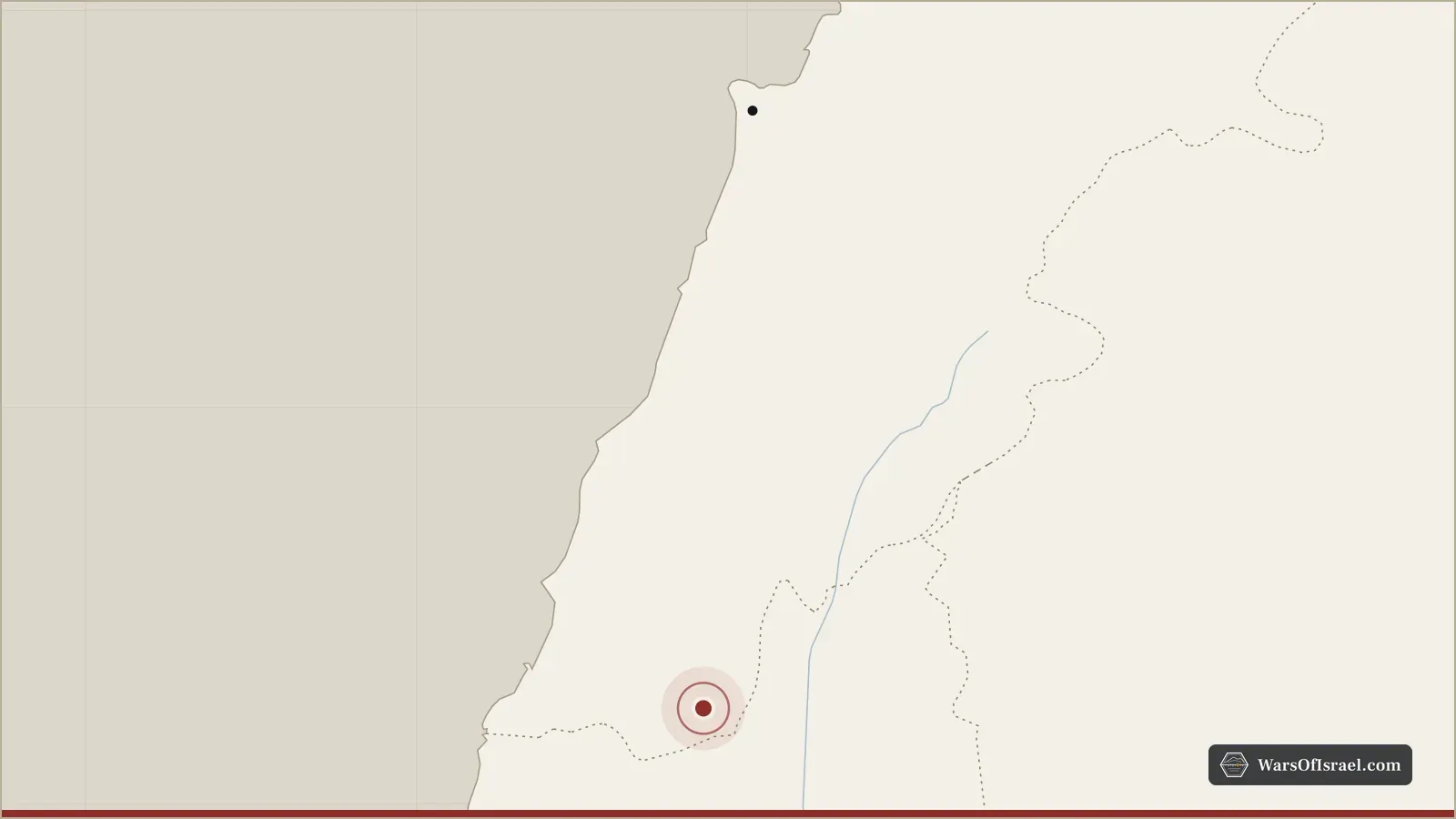
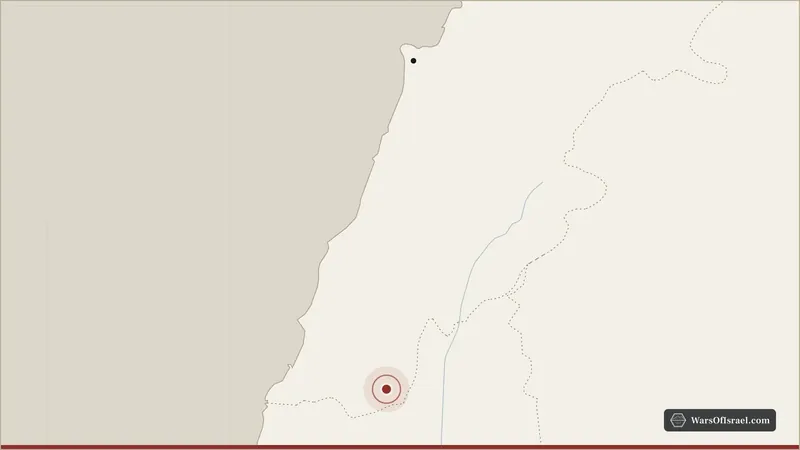
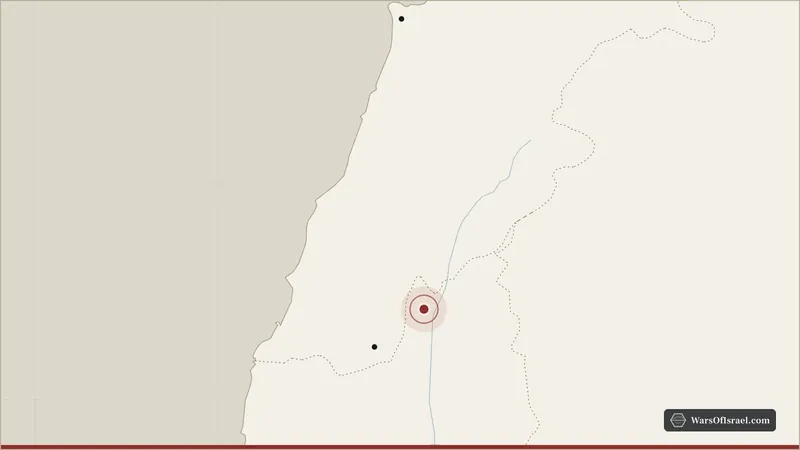
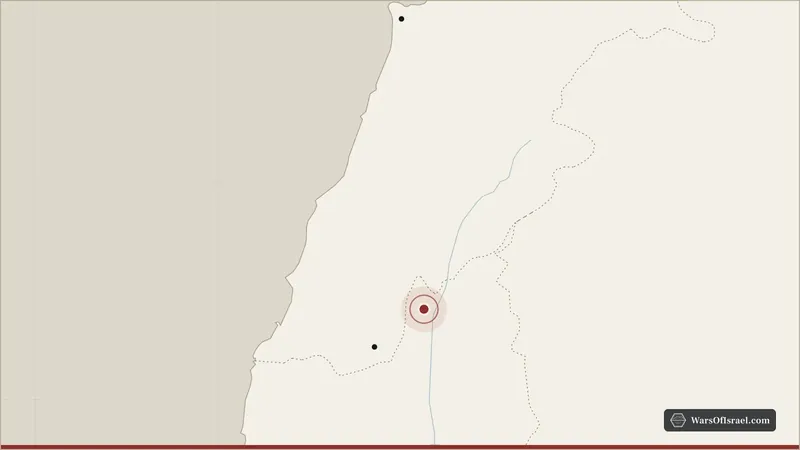
As of October 19, 2026, Lebanese Foreign Minister Youssef Rajji has called on Iran to stop supplying Hezbollah with weapons and money and to stop interfering in Lebanese government decisions. Israel Hayom and the Lebanese newspaper An-Nahar reported his October 18 address to the Organization of Islamic Cooperation’s foreign ministers in Iraq. In a separate October 18 briefing, Prime Minister Benjamin Netanyahu said Israel would not allow Hezbollah to rebuild and would not wait indefinitely for the Lebanese army to act.
Rajji links sovereignty to control of weapons
Rajji’s argument was that Lebanon cannot exercise sovereignty while armed authority and decisions about conflict remain outside its institutions. According to Israel Hayom’s report, he referred to the Lebanese government’s August 2025 decision to restrict weapons to legitimate state security forces and extend state authority across the country.
His speech was a demand for implementation of that position, rather than evidence that implementation had been completed. Calling on Iran to end support for Hezbollah does not establish that weapons transfers have stopped. Nor does it establish what stocks the organization retains or how much of them the Lebanese army can reach.
An-Nahar’s account also described Rajji calling on Iran and affiliated groups to halt attacks on Gulf Cooperation Council countries and Jordan. He defended free passage through international waterways, including the Strait of Hormuz and Bab el-Mandeb. The address placed Lebanon’s weapons dispute within a wider regional demand for state sovereignty and an end to cross-border escalation.
Criticism of Hezbollah did not mean acceptance of Israeli action
Israel Hayom reported that Rajji accused Hezbollah of drawing Lebanon into destructive wars with Israel in October 2023 and March 2026. That was the foreign minister’s political assessment of responsibility. It should not be confused with an agreed account among Lebanon’s competing political forces.
Rajji also condemned Israeli attacks and the Israeli presence on Lebanese territory. His position combined opposition to Hezbollah’s independent military role with a demand that Israel respect Lebanese sovereignty. Reporting only his criticism of Iran would omit an essential part of the speech and misrepresent the policy he was advancing.
According to Israel Hayom, Rajji referred to a June 2026 framework involving Lebanon, Israel and the United States. He described intended outcomes including Israeli withdrawal, the return of displaced residents, reconstruction, prisoner releases and state control over weapons. This was his description of the framework’s purposes. It did not demonstrate that those outcomes had been secured or announce that the underlying disputes had been resolved.
Netanyahu emphasizes the limit of Israeli patience
At his October 18 briefing for diplomatic correspondents, reported by Israel National News, Netanyahu said the Lebanese army had been given an opportunity to act against Hezbollah’s infrastructure. He said Israel would act if the Lebanese forces could not do so, and would not allow the organization to rebuild its military capabilities.
The statement did not include a public deadline, a list of Lebanese army benchmarks or an announced new Israeli operation. It was a warning about enforcement. Rajji’s speech and Netanyahu’s briefing therefore illuminate different sides of the same unresolved problem: Lebanon asserts exclusive state authority, while Israel reserves the right to act when it judges that Hezbollah remains a threat.
The historical context runs through the 2023 to 2024 Israel and Hezbollah war and the separate 2026 war in Lebanon. The October 18 statements add demands directed at Iran and Hezbollah, and an Israeli warning, to the earlier report on security arrangements in the south.
The enforcement question remains open
The institutional background predates these statements. UNIFIL’s published mandate (opens in a new tab) delineates its role in supporting implementation of Security Council Resolution 1701. That includes assisting the Lebanese armed forces toward an area between the Blue Line and the Litani River without armed personnel or weapons other than those of the Lebanese government and UNIFIL. The existence of that requirement is different from evidence that it has been fulfilled.
As of the reporting cutoff, the statements examined here did not provide a verified inventory of Hezbollah’s remaining weapons, a completed disarmament schedule or confirmation that Iran had accepted Rajji’s demands. They also did not settle the terms or timing of Israeli withdrawal.
The immediate development is thus diplomatic and political, with potential security consequences: Lebanon’s foreign minister publicly challenges Iranian support for Hezbollah, while Israel restates its readiness to enforce its own security demands. Whether these positions produce an agreed mechanism depends on decisions and implementation beyond the speeches themselves.