WarSince October 7, 2023Reference entry
The 2026 war with Hezbollah in Lebanon
Why the ceasefire of November 2024 collapsed in the first days of the war with Iran, and how a truce and a signed framework left Israeli troops inside southern Lebanon.
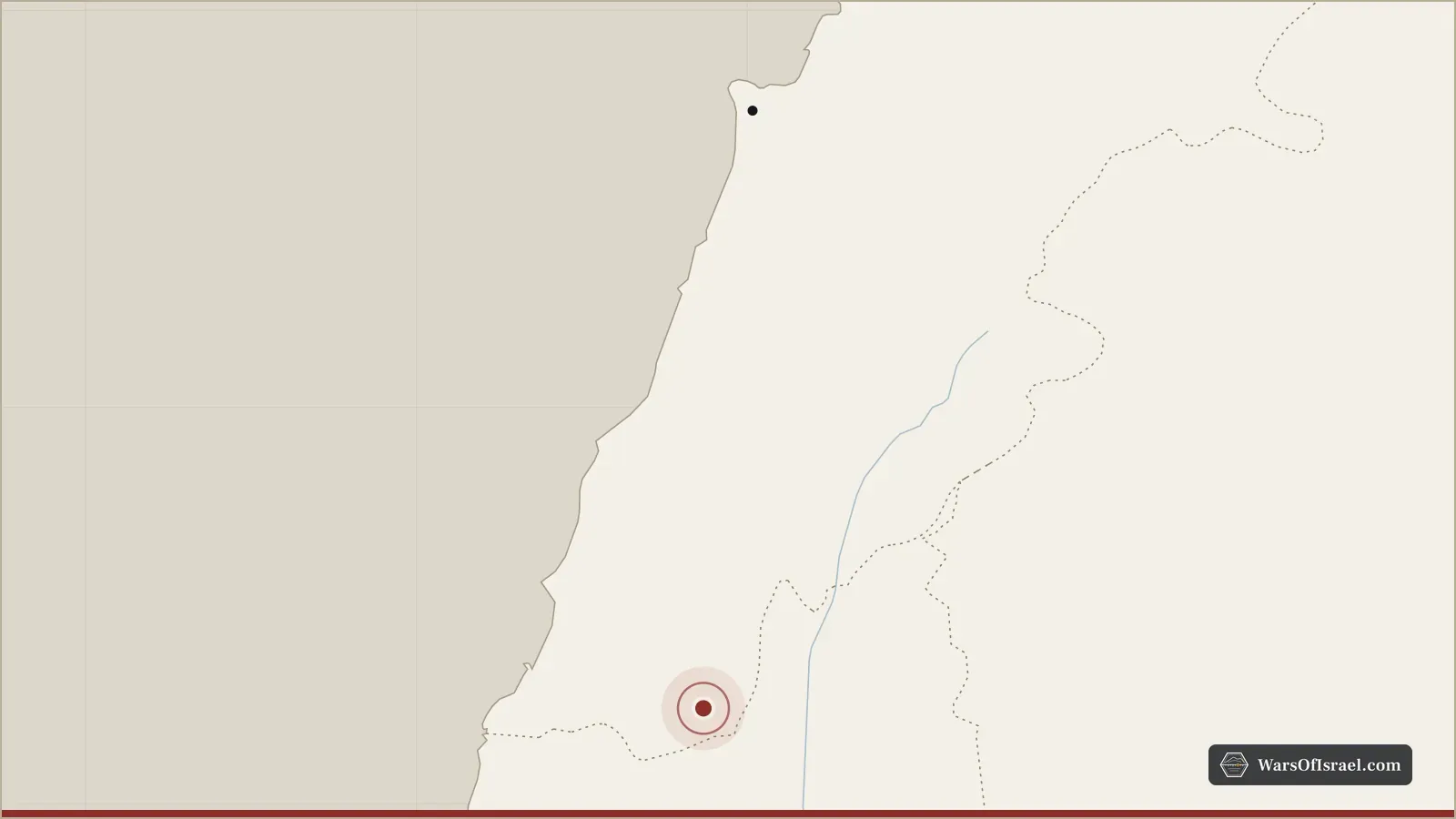
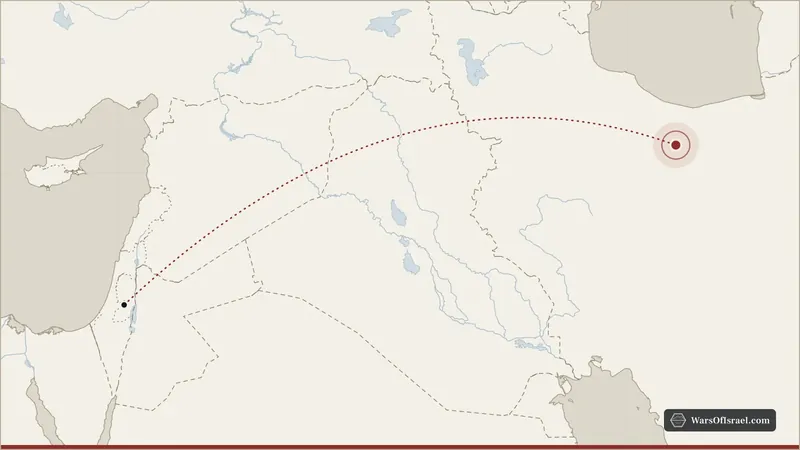
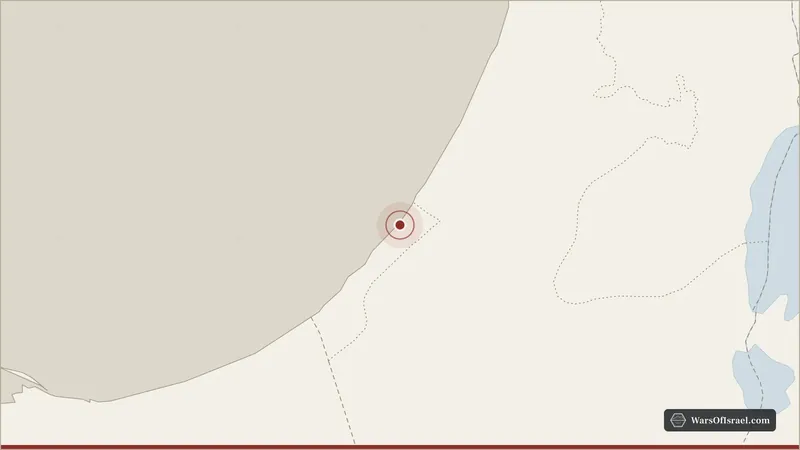
The ceasefire that had ended the Israel and Hezbollah war of 2023 to 2024 lasted fifteen months. On March 2, 2026, two days after Israel and the United States opened the war with Iran and killed Ali Khamenei, Hezbollah fired into northern Israel for the first time since November 2024. Israel struck Beirut within hours and, from March 16, sent ground forces back into southern Lebanon. A truce announced by President Donald Trump took effect on April 16 and a framework agreement was signed in Washington on June 26, yet as of October 18, 2026 Israeli troops still held a zone inside Lebanon and the fighting in the south had not ended.
A front reopened
Hezbollah presented its fire as a response to continuing Israeli strikes in Lebanon; it came, however, as Iran was calling on its allies after the killing of its Supreme Leader. Israel answered with air strikes on Beirut's southern suburbs, southern Lebanon and the Beqaa Valley, and evacuation orders for dozens of villages. The Lebanese state reacted in an unprecedented way. On March 2 the government of Prime Minister Nawaf Salam announced a ban on Hezbollah's military activity, and on March 24 it declared Iran's ambassador persona non grata.
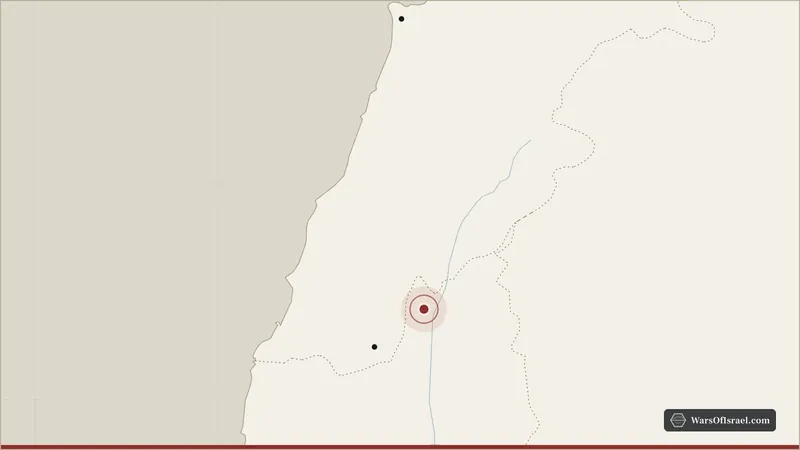
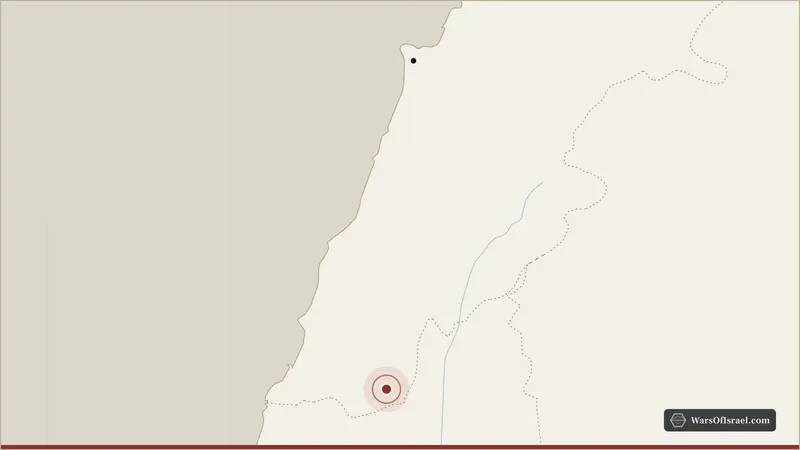
On March 16 the IDF announced a "targeted ground operation," its first ground push into Lebanon since the operation of autumn 2024. Division 91 crossed the border while Division 146 held the defense of the Galilee communities; the stated aims were to widen the security zone, destroy Hezbollah infrastructure and kill its operatives. By that day, according to the IDF, more than 230 Hezbollah members had been killed. Some of the hardest fighting came in Bint Jbeil, the town that had been a battleground in 2006.
When the Iran ceasefire took effect on April 8, Israel insisted that Lebanon was not covered. The same day it carried out Operation Eternal Darkness (in Hebrew, Mivtza Hoshech Nitzhi), striking about 100 Hezbollah headquarters and sites across Lebanon; the Lebanese Red Cross reported about 254 dead that day, and the toll later rose further.
Truce, framework and a zone that stayed
Direct talks between Israel and Lebanon, a break with decades of Lebanese policy, began in Washington on April 14 under Secretary of State Marco Rubio. On April 16 Trump announced a ten-day truce, later extended by three weeks and then, on May 15, by 45 days. The truce did not stop the fighting. Israeli forces pushed past the Litani River and captured Beaufort Castle on May 31, and Israeli strikes and Hezbollah drone attacks continued. On June 7 Iran fired missiles at Israel over Israeli strikes on Beirut, A separate Israel and Hezbollah truce, which a US official announced on June 19, largely held from June 20.
On June 26 Lebanon, Israel and the United States signed a trilateral framework in Washington. It commits the Lebanese army to restore its authority over all of Lebanon pending the verified disarmament of non-state armed groups, and Israel to redeploy progressively, starting with two "pilot zones." Hezbollah rejected it and demanded an unconditional Israeli withdrawal. The first pilot zone, at Zawtar al-Gharbiyeh, was handed to the Lebanese army in July.
The toll and the state of the front
According to Lebanon's Health Ministry, 4,387 people were killed and 12,424 wounded in Lebanon between March 2 and October 11, 2026; the ministry does not separate fighters from civilians. On the Israeli side, about 40 soldiers and three civilians, including a military contractor, had been killed by early August, according to the Associated Press. On August 6 two soldiers were killed in an explosion in Majdal Zoun, the first Israeli deaths since the June truce.
Security Council Report, in its forecast published on October 1, 2026, described forces up to about 10 kilometers inside Lebanon, the IDF's seizure of the Ali al-Taher ridge near Nabatieh in early September, and hostilities that continued despite the framework. A round of talks in Rome was postponed on September 12 to October, and UNIFIL's mandate is due to end on December 31, 2026. On October 14 Defense Minister Katz warned that if Hezbollah joined a renewed Iranian attack, Israel would take more territory near Nabatieh and the Litani. The question at the heart of the conflict since 2006, who holds the weapons in southern Lebanon, remained open.