News
As UNIFIL's exit nears, the EU creates a Lebanon support mission and a Hezbollah submunition kills a teenager in the Galilee
Three confirmed developments of October 2026 that show how unsettled the Israel-Lebanon border remains after two wars in three years.
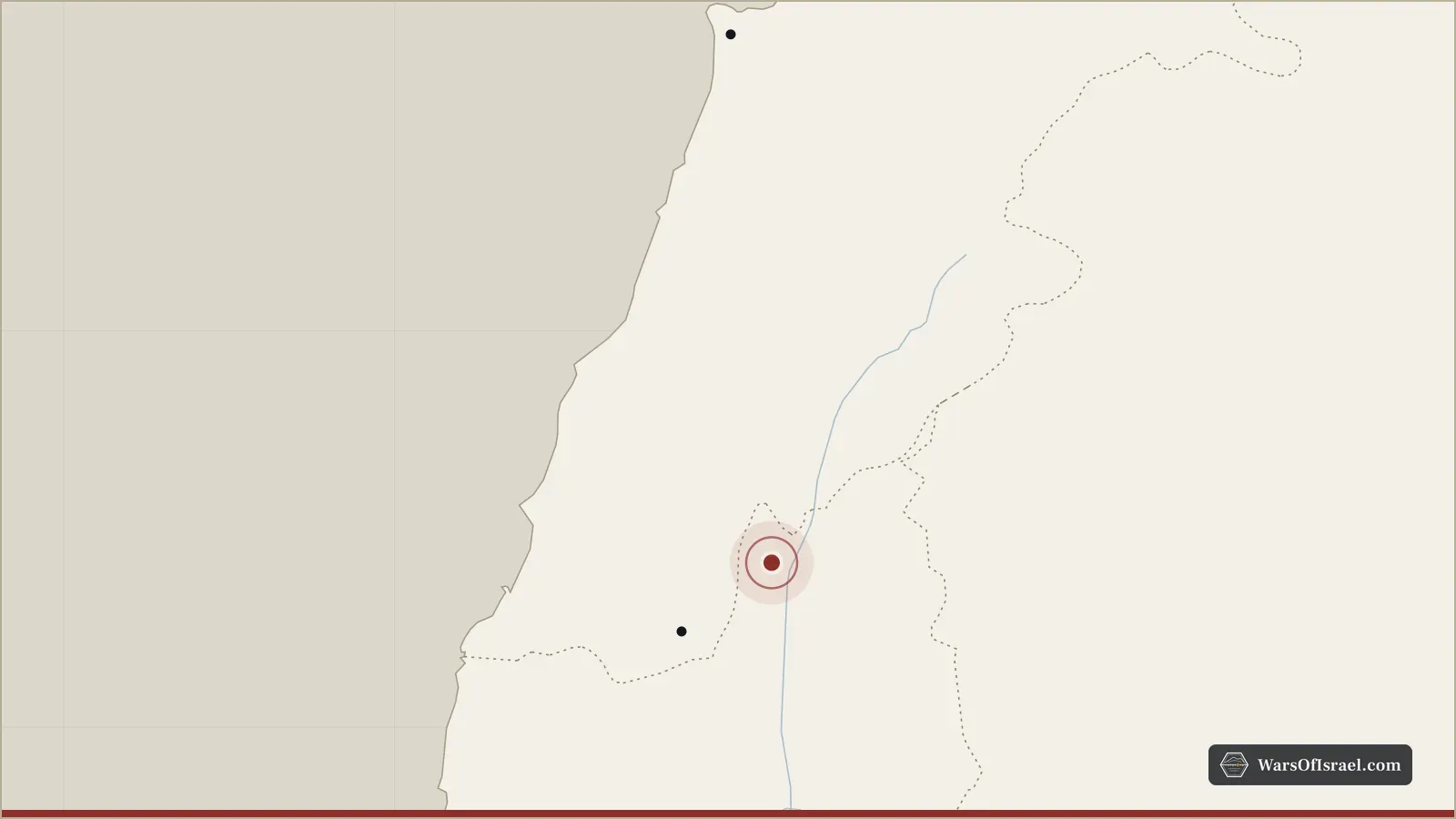
The Israel-Lebanon border enters the last quarter of 2026 with a ceasefire that holds on paper, an Israeli security zone inside Lebanon, a Hezbollah that refuses to disarm, and a UN peacekeeping force that is leaving. As of October 18, 2026, three confirmed developments of the preceding week frame the situation: the European Union created a new mission to support Lebanon's army and police on October 12; the UN's peacekeeping chief said in Beirut on October 14 that no decision has been made on any UN presence after the United Nations Interim Force in Lebanon (UNIFIL) departs; and on October 12 a Hezbollah submunition left over from the fighting killed an Israeli teenager on a school hike in the Galilee.
The UN force's last months
UNIFIL was created in 1978 and expanded after the Second Lebanon War of 2006 to monitor Security Council Resolution 1701. In August 2025 the Security Council voted, in Resolution 2790, to end its mandate on December 31, 2026, with a year to complete the withdrawal. The United States and Israel backed the decision, accusing the force of failing to stop Hezbollah's military buildup, according to the Associated Press.
Jean-Pierre Lacroix, the UN under-secretary-general for peace operations, told the AP in Beirut on October 14, 2026 that "no decision has been made so far" on what, if anything, will follow, and that serious Security Council negotiations were expected to begin soon. He said Lebanese authorities were unanimous in wanting a UN presence that monitors violations and defuses friction between Israeli and Lebanese troops. Lebanese President Joseph Aoun said on the same day that a withdrawal would create a dangerous security vacuum. According to the AP, UNIFIL now numbers about 7,500 peacekeepers from 46 countries, down from a peak of about 10,000, and the small unarmed observer mission UNTSO will remain after it leaves.
A European mission, but not a border force
On October 12, 2026, EU foreign ministers meeting in Luxembourg agreed to establish the European Union Support Mission in Lebanon (EUSM Lebanon) with an initial three-year mandate, according to The National and a European Council statement. Its stated tasks are training and advising the Lebanese Armed Forces and Internal Security Forces in areas such as border surveillance, intelligence, counter-smuggling and maritime security. EU foreign policy chief Kaja Kallas called it "a major update of our security ties."
What the mission will not do is just as clear from the reporting. The AP noted that it will not patrol or monitor the border, and The National reported that European states do not intend to take charge of disarming Hezbollah directly, although France and Italy are exploring a separate mission to help the Lebanese army do so. The analysis of Wars of Israel is that the EU step strengthens the Lebanese state's capacity without filling the specific gap UNIFIL leaves: an outside presence on the ground between two armies.
The security zone and the stalled framework
The present arrangements are the product of the war that resumed on March 2, 2026, when Hezbollah fired on northern Israel in the opening days of the US-Israeli war with Iran, and Israel answered with air strikes and, from March 16, a ground offensive. That fighting followed the Israel-Hezbollah war of 2023 to 2024 and the November 2024 ceasefire. A truce took hold in mid-April 2026 and was renewed on June 19, 2026.
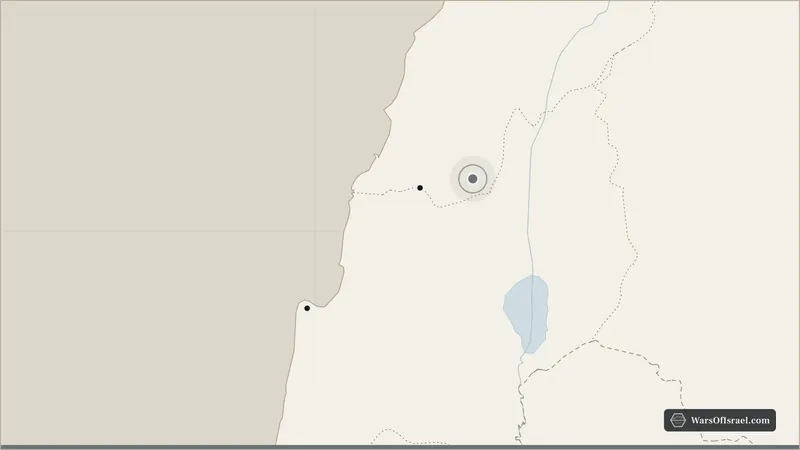
On June 26, 2026, Israel, Lebanon and the United States signed a framework agreement in Washington under which Israel would "progressively redeploy" only after the Lebanese army restores state authority pending the verified disarmament of non-state armed groups, according to Al Jazeera. Hezbollah rejected it. As of October 2026, Israel holds a buffer zone that The National estimates at roughly 7 percent of Lebanese territory, says it will withdraw only once Hezbollah disarms, and continues strikes that it says target Hezbollah facilities; Lebanon wants Israel to withdraw first, and US-brokered talks have stalled, The National reported. According to the AP, the five-party monitoring mechanism set up in 2024 has largely stopped functioning since March.
The cost of what remains in the ground
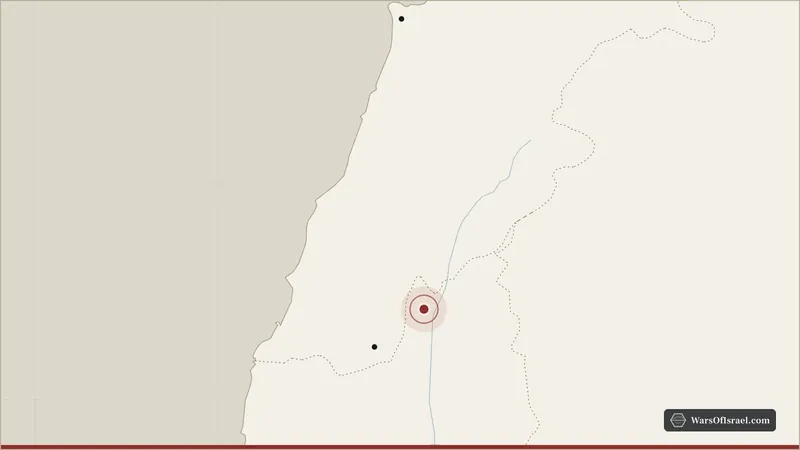
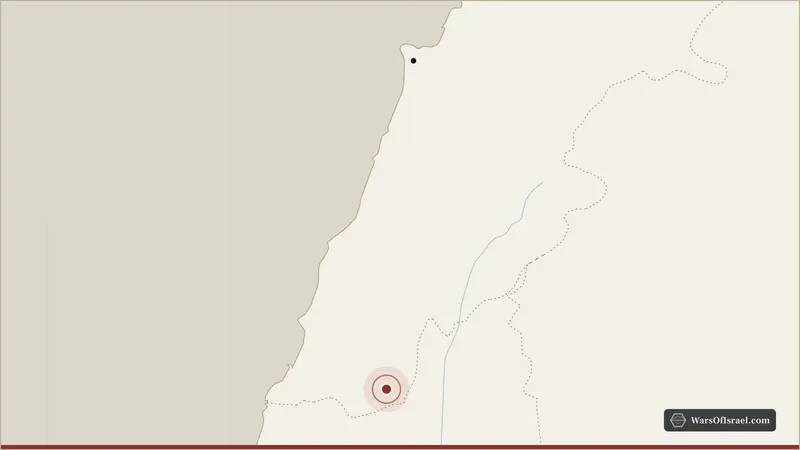
On October 12, 2026, a submunition exploded among pupils on a school hike on the Ramim Ridge in the Naftali Mountains, near the border. One 15-year-old was killed, according to the Israeli military statement reported by Xinhua; the Times of Israel reported 19 wounded in its first account, while later reports put the number at 24. The military said its preliminary investigation pointed to a BRB1-type submunition from a Grad rocket fired by Hezbollah during the recent war, and that a pupil is believed to have picked it up and placed it in his bag before it exploded minutes later, according to the Times of Israel. Education Minister Yoav Kisch suspended school trips in the area for two days.
The incident is a reminder that the war's effects on the northern communities did not end with the truce. As of October 18, 2026, the questions that will shape the border in 2027 (who replaces UNIFIL, whether Hezbollah is disarmed south of the Litani, and when Israel leaves its security zone) remain open.