News
IDF reports weapons stores near UN posts in southern Lebanon and accuses UNIFIL of failing its mission
The November 8 announcement identifies new locations and equipment, but the military’s accusation against UNIFIL goes beyond the evidence of proximity alone.
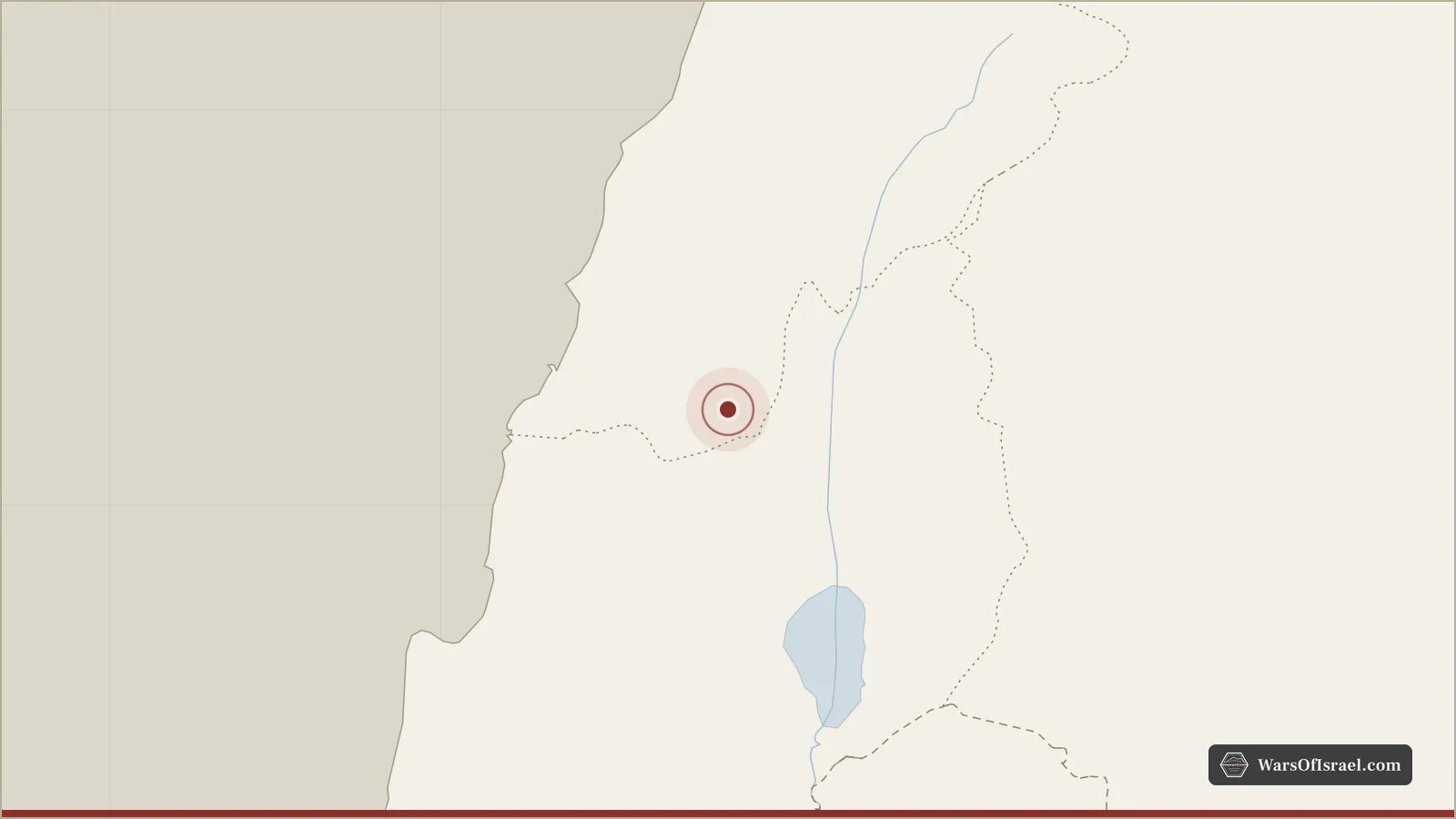
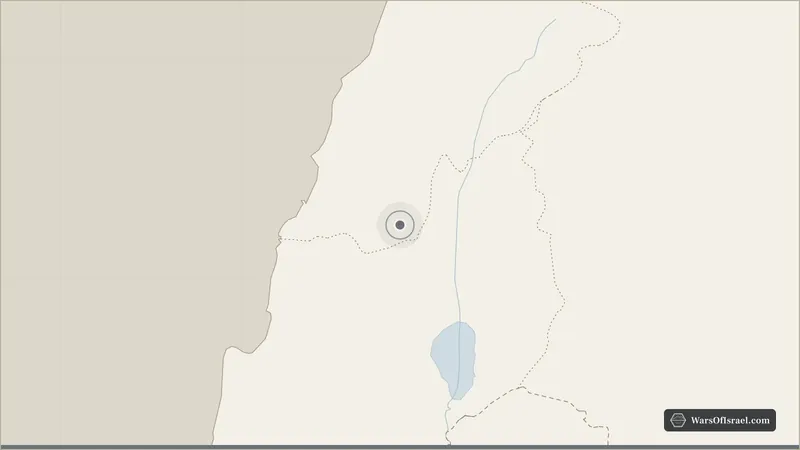
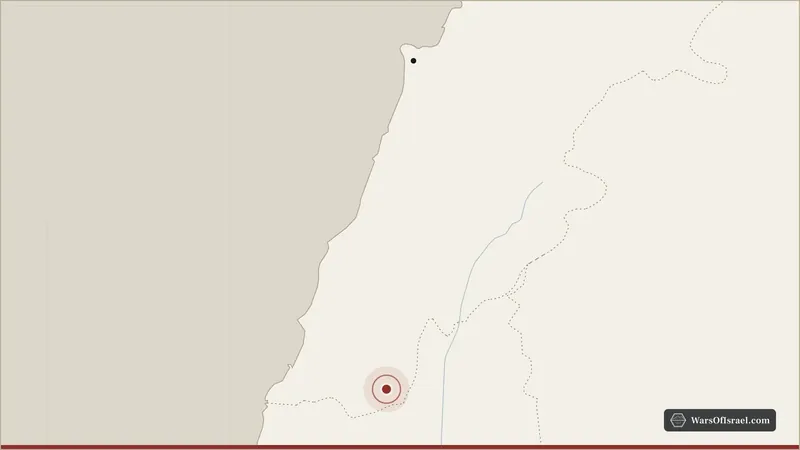
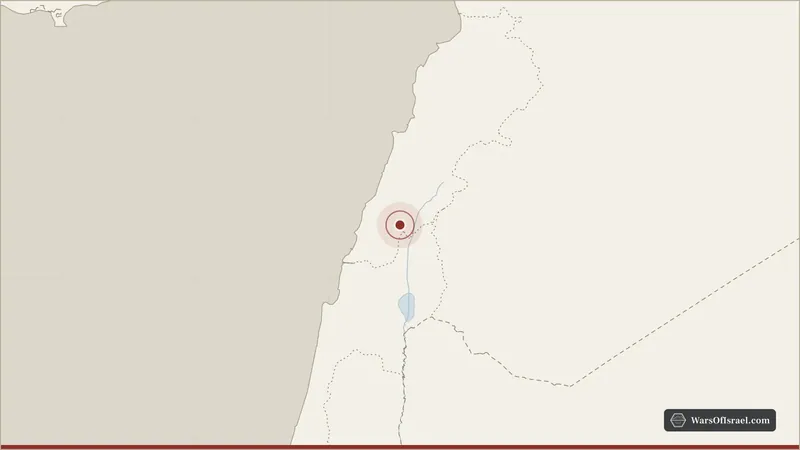
As of November 10, 2026, the IDF says its forces have found weapons stores and a Hezbollah facility close to United Nations posts in southern Lebanon. In an announcement dated November 8, the army described discoveries in Mays al-Jabal and Tiri and accused UNIFIL, the UN peacekeeping force, of failing to carry out its mission. The locations and distances are Israeli military claims; the accusation about UNIFIL’s performance requires a separate assessment.
The announcement adds new sites to the continuing weapons searches in Lebanon. It does not identify the dates of every discovery or establish when the equipment was placed there.
Two weapons stores and a separate facility
The IDF said the Oded Brigade, operating under the 91st Division, found two stores in Mays al-Jabal: one in a civilian home approximately 200 meters from a UN post, and another in a warehouse approximately 100 meters away. It described firearms, RPG weapons, grenades, ammunition and communications and observation equipment.
The Jerusalem Post’s report of the announcement also lists a PK machine gun and an explosive device. It says the equipment was found alongside humanitarian aid boxes and symbols associated with Amal and Hezbollah. The report attributes the discovery to the military, rather than to an independent inspection.
In Tiri, the IDF said Kfir Brigade troops found a facility used by Hezbollah approximately 250 meters from a UN post. The army described observation equipment, combat equipment, supplies for staying at the site and Hezbollah symbols. The two village accounts should not be collapsed into a single weapons cache or a single distance from one UN position.
What proximity establishes, and what it leaves unanswered
The military presented the discoveries as evidence of UNIFIL’s failure and said armed organizations were exploiting the force’s inaction. That is the IDF’s stated conclusion. The published account does not establish which UN personnel, if any, knew about the equipment, when they might have learned of it or what access they had to the buildings.
Nearby weapons raise a concrete question about enforcement. Distance alone cannot answer it. An assessment of responsibility would also need information about the timing of the storage, any previous reports to the mission or Lebanese authorities, and the response to those reports.
The aid boxes require the same care. Their reported presence beside weapons does not, by itself, identify who supplied them, how they reached the building or whether an aid organization knew of the military equipment. The IDF announcement supplies no documented chain linking an aid provider to the cache. It therefore cannot support a finding of complicity by a particular humanitarian organization.
No response addressing these specific discoveries was available in the sources reviewed for this report. That limitation does not establish that UNIFIL or the Lebanese authorities have made no response elsewhere.
The framework behind the enforcement dispute
UN Security Council Resolution 1701 (opens in a new tab) sets out both Lebanese state authority over weapons and security arrangements between the Blue Line and Litani River. It also addresses a cessation of hostilities, Lebanese army and UNIFIL deployment, and parallel Israeli withdrawal. Those provisions form part of the historical framework, not a finding about the November discoveries.
The resolution gives UNIFIL monitoring and assistance functions and authority to act within its capabilities in its deployment areas. It does not make a military press release a substitute for examining what happened at a particular location. The distinction is relevant to the wider 2026 war with Hezbollah and its unsettled security arrangements.
Britain’s Foreign Office travel advice, marked current on November 9, describes continued fighting and airstrikes, particularly in southern Lebanon, despite the cessation of hostilities announced in June 2026. It also records an Israeli military presence. That is a broader official assessment of the environment, rather than corroboration of the newly reported caches.
New locations, not a complete measure of disarmament
On November 5, the IDF separately reported that the 188th Brigade had found more than 340 weapons and military items around Beaufort and the Litani, along with a shaft inside a civilian home. Those discoveries were covered in the site’s earlier Beaufort and Litani report.
The November 8 announcement concerns other formations and locations. It offers no common inventory that would allow the earlier figure to be added to the new discoveries, and no estimate of Hezbollah’s total remaining arsenal.
For communities on Israel’s northern border, the relevant question is whether weapons searches and enforcement produce lasting protection. The new announcement describes specific military findings. It leaves open the history of those stores, the knowledge and conduct of nearby institutions, and the wider extent of armed activity still beyond Lebanese state control.