News
Netanyahu says bringing down Iran’s regime is an Israeli objective, without announcing a new operation
The prime minister’s October 18 briefing separates the political aim of ending the Iranian threat from the unanswered question of how it would be achieved.
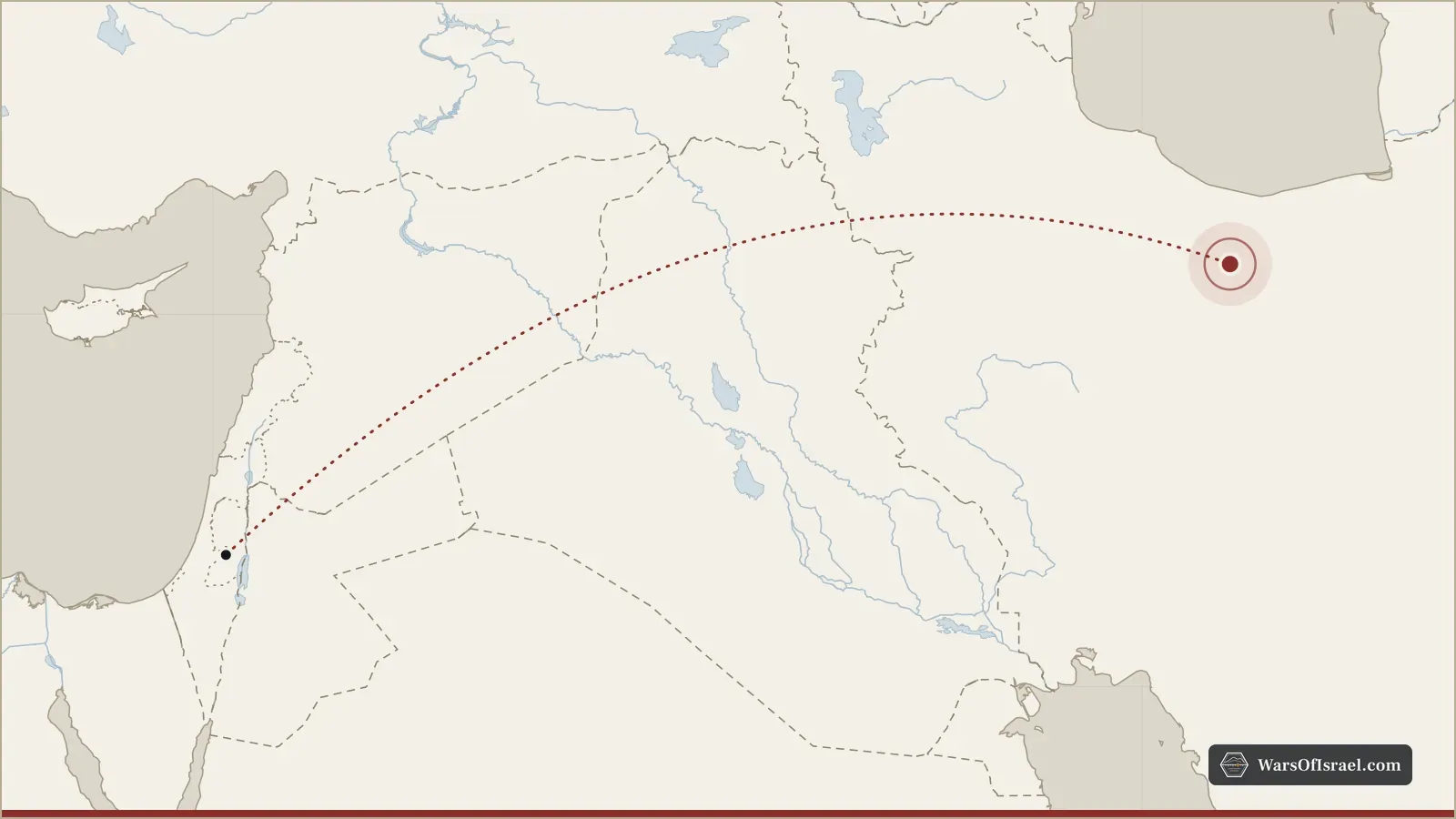
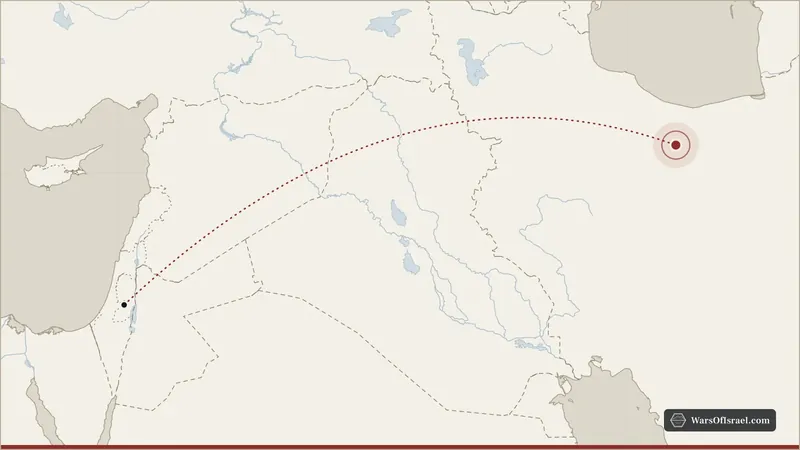
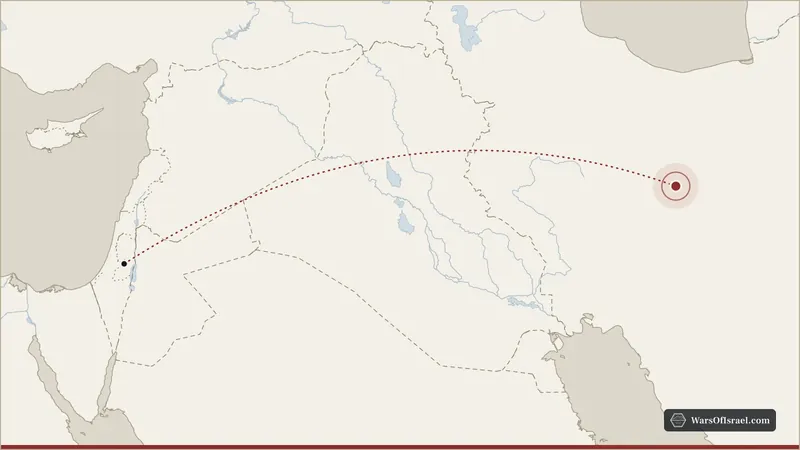
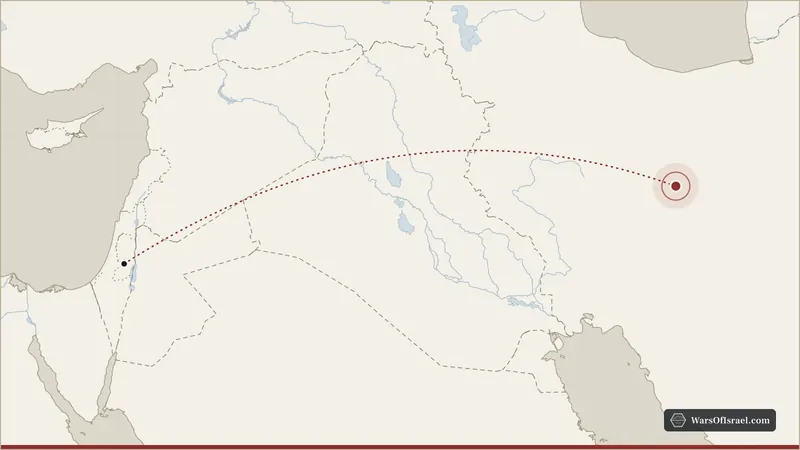
As of October 19, 2026, Prime Minister Benjamin Netanyahu has publicly described bringing down Iran’s regime as an Israeli security objective, saying at an October 18 briefing that he had instructed the security establishment accordingly. Israel National News, which reported from the briefing for diplomatic correspondents, also quoted him as saying Israel would seek American agreement but could act independently. The remarks set out an objective; they did not announce the start of a new military operation or provide a timetable for one.
What Netanyahu said on October 18
According to Israel National News correspondent Yoni Kempinski, Netanyahu said the existing military campaign had weakened the Iranian leadership but had not completed the task. He described a sustained effort involving the security agencies. These were the prime minister’s assessments of progress and intentions, rather than a published intelligence finding that the government in Tehran was about to fall.
The distinction matters because the public statement contains two different propositions. One is that Israel intends to pursue a change in Iran’s political leadership. The other is that Israel believes it has already reduced the threat. Neither, by itself, establishes how much military capacity Iran retains, whether its leadership can withstand further pressure, or what political order might follow its removal.
Netanyahu’s remarks also placed American coordination within the strategy. He said he preferred to secure Washington’s agreement, while reserving Israel’s ability to act alone. The briefing did not disclose an agreed joint plan. It therefore cannot be read as confirmation that US President Donald Trump had authorized another Israeli operation.
A television interview put the aim in broader terms
In a separate interview with Fox News host Mark Levin, aired on October 17 and reported on October 18 by The Jerusalem Post and JNS, Netanyahu linked ending the Iranian threat to the removal of the regime. He described a process combining military and economic pressure, rather than presenting a single strike as sufficient to settle the confrontation.
The two appearances were different settings: an American television interview and a briefing for diplomatic correspondents. Together, they show Netanyahu making the same political objective explicit to different audiences. They do not provide independent confirmation of his claims about the regime’s strength. Those claims still belong to the Israeli prime minister, even when several newspapers report them.
JNS also reported Defense Minister Israel Katz’s warning, made in an October 17 Channel 14 interview, that a future confrontation could include attacks on Iranian energy infrastructure. That was a conditional threat. It did not identify an attack that had already occurred or establish that an order to carry it out had been issued.
The war provides context, not a timetable
The IDF’s account of Operation Roaring Lion dates the joint Israeli and American campaign’s opening to February 28, 2026. The military describes its purpose in terms of degrading Iranian capabilities and removing threats to Israel. That is the military’s description of its operation, and it should be distinguished from independent measurement of the results.
The site’s history of the 2026 Israel and Iran war follows that campaign, while the account of the June 2025 war covers the earlier direct confrontation. Reading them separately helps avoid treating different operations, aims and dates as one continuous announcement.
The October 18 briefing adds a direct statement of Netanyahu’s intended political end point to the earlier report on the Iran front. It does not, on its own, change the status of every diplomatic or military issue described there. A declared objective and a decision to resume particular strikes are separate developments, requiring separate evidence.
What the public statements leave unresolved
At the briefing, Netanyahu did not set out a mechanism for replacing Iran’s leadership, a deadline for doing so, or a description of a successor government. They also did not supply a public basis for calculating the probability of regime collapse. Claims of decisive progress should consequently remain attributed assessments.
The immediate development is the clarity of Netanyahu’s declared objective, alongside his insistence on retaining freedom of action. The practical test would be subsequent, identifiable decisions: a new operation, a formal diplomatic arrangement, or other disclosed measures. None should be inferred merely from the forcefulness of the language used on October 18.