News
Five arrests in northern Lebanon prompt an inquiry into suspected Hezbollah activity
Salam promises an investigation governed by law as the case raises questions about armed authority beyond Lebanon's southern front.
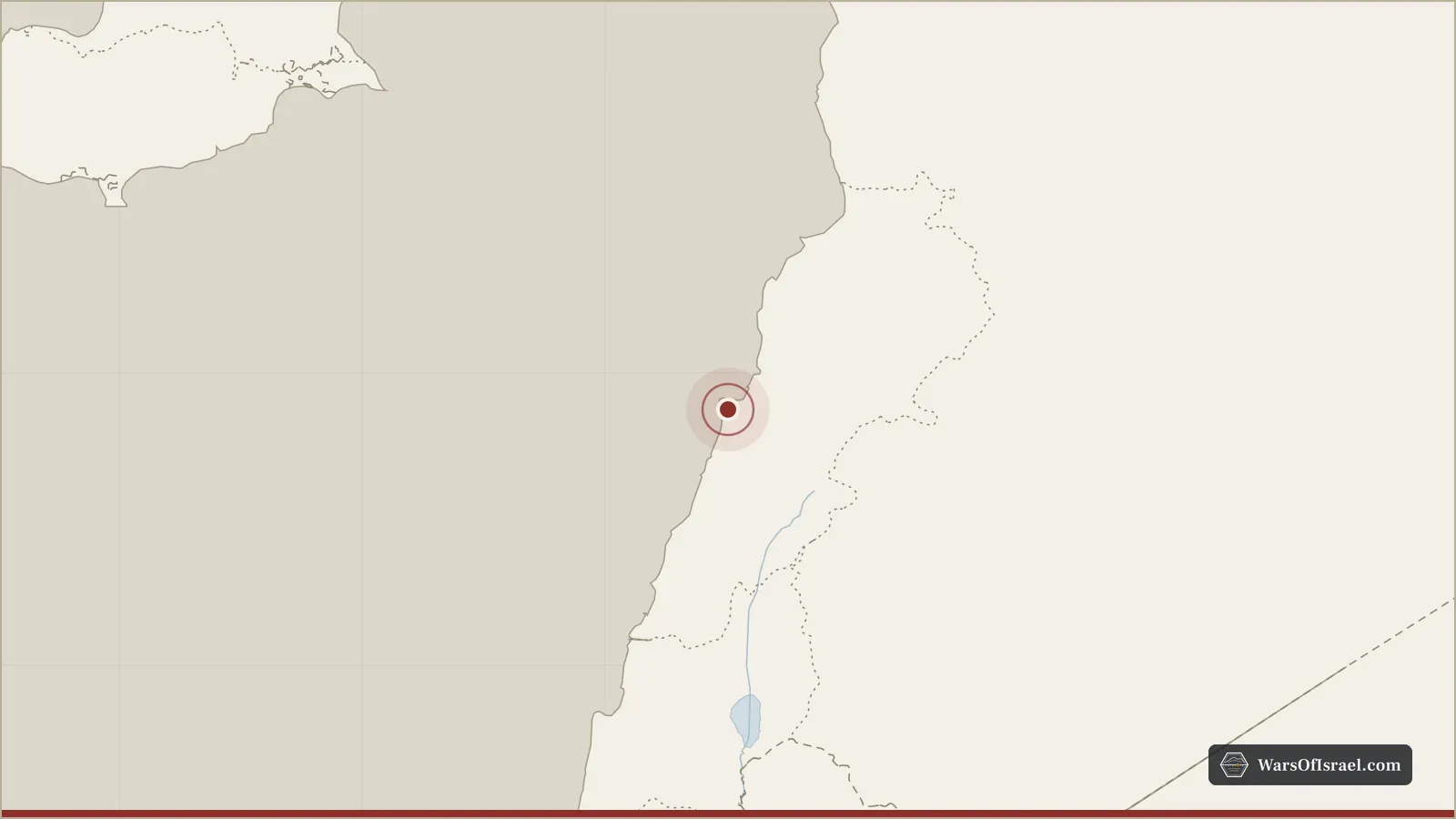
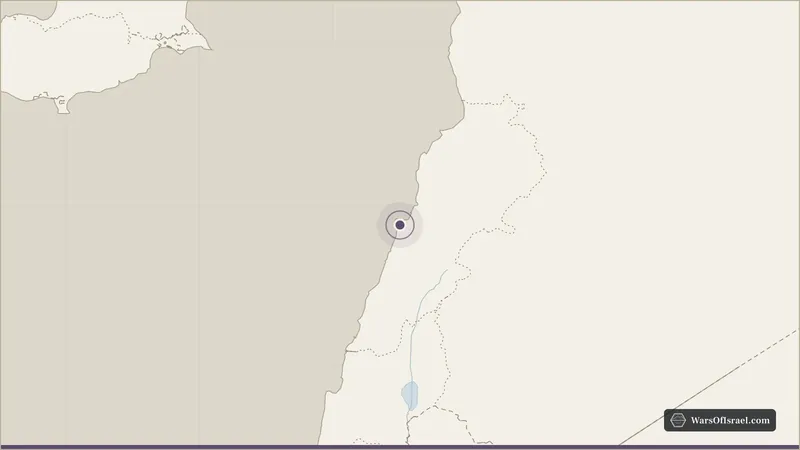
As of November 11, 2026, Lebanese security services were investigating five men arrested in the northern highlands between Batroun and Bsharri on November 10, in a case Lebanese outlets linked to Hezbollah. Prime Minister Nawaf Salam called for the investigation to proceed without political limits. The arrests were reported by Al-Modon and L'Orient Today, but the men's purpose in the area, and the contents and significance of documents reportedly found with them, remained unresolved.
The case brings the dispute over armed activity outside state institutions into northern Lebanon. It does not, on the evidence published so far, establish that a particular attack was being prepared.
A police investigation in the northern highlands
Al-Modon's November 11 account said a gendarmerie patrol from Bsharri detained the five after their movements raised suspicion. It described them as suspected Hezbollah affiliates and said the Internal Security Forces' Information Branch was investigating under Prosecutor General Ahmad Rami Hajj. That is an account of a detention and an inquiry, rather than a judicial finding about the group's mission.
Reports that papers were torn up have attracted particular attention. L'Orient Today noted uncertainty about whether the material consisted of security maps or detailed local plans. The newspaper also said the Internal Security Forces were unavailable when it sought comment. No authenticated set of documents was available for this report to examine.
That gap limits what can responsibly be said about the arrests. Documents can raise questions about an activity, but their reported presence does not establish a target, an instruction from a commander or a decision to carry out violence. Assertions about a planned sectarian attack therefore remain interpretations, not the demonstrated result of this investigation.
Salam promises accountability as parties demand answers
The Jerusalem Post reported that Salam contacted the interior and justice ministers, the prosecutor general and the head of the Internal Security Forces after the arrests. It quoted his pledge that the inquiry would be constrained by law, rather than political protection. His intervention makes the handling of the case a stated government priority; it does not determine the suspects' guilt.
Al-Modon also reported a joint statement from lawmakers Sethrida Geagea and Melhem Tawk asking who had tasked the group and for what purpose. Their request concerned responsibility beyond the people detained, if evidence of organized unlawful activity emerged. The questions themselves cannot substitute for the investigators' answers.
The Free Patriotic Movement called for disclosure of the findings within the requirements of proper procedure, according to L'Orient Today's account of its statement. It opposed security activity outside state institutions, while warning against exploiting the case to stir sectarian or regional hostility. That distinction is relevant: demanding accountability need not mean treating a whole community as responsible for an unproven allegation.
State authority is a national question
The site's earlier report on the five embassies' appeal described a November 5 request for Lebanese parties and lawmakers to publicly support state control of weapons and decisions about war. The new arrests add a concrete investigation to that political debate. They do not demonstrate that the diplomatic appeal caused the police action.
The international framework also reaches beyond the immediate border with Israel. UN Security Council Resolution 1701 (opens in a new tab) calls for Lebanese government control throughout the country and disarmament of armed groups. It separately sets out security arrangements for the area between the Blue Line and the Litani River.
The resolution also addresses a cessation of hostilities, Lebanese army and UN deployment, and parallel Israeli withdrawal. These provisions explain why domestic armed authority and border security are connected, while remaining different issues. The site's history of the Second Lebanon War supplies the setting in which the resolution was adopted; the 2026 conflict with Hezbollah provides the more immediate military context.
What would establish the significance of the arrests
The decisive evidence would concern what the men were doing, whether they were acting on instructions and whether any offense can be established. Neither an arrest announcement nor a politician's warning answers those questions. The accounts reviewed for this report did not include a charging document, a published judicial finding or a detailed response from the five men.
For readers following Israel's northern front, the relevant development is Lebanese enforcement inside Lebanon. It is too early to read the case as proof of a wider disarmament breakthrough, or as proof of a particular Hezbollah operation. Its importance will depend on what the investigation establishes and whether the authorities can pursue those findings through the legal process they have promised.