News
Stone attack on foreign Israel supporters in Turmus Ayya puts equal accountability in focus
Visitors from six countries came under attack during a Regavim tour, bringing the question of equal attention and accountability back to Turmus Ayya.
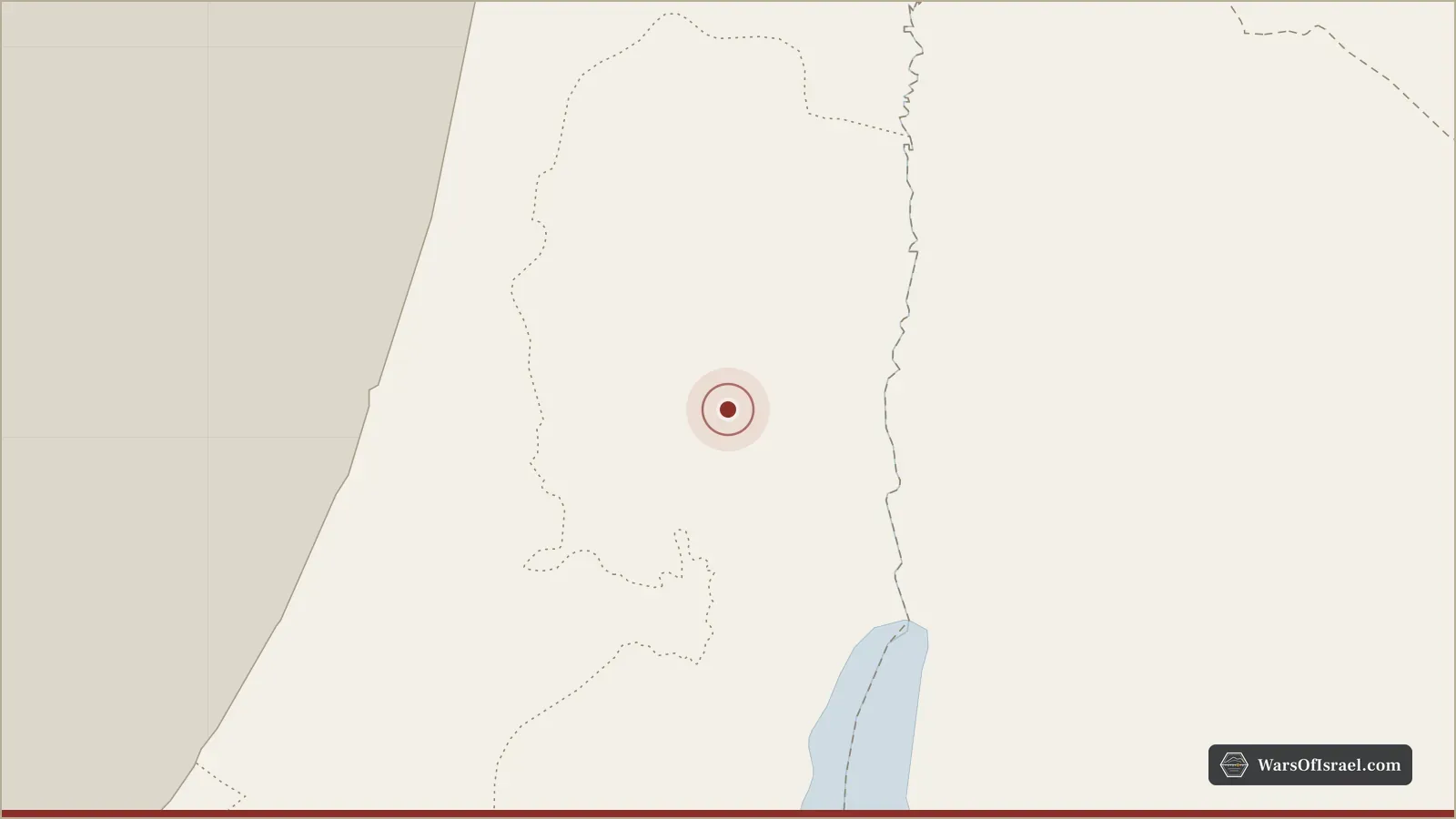
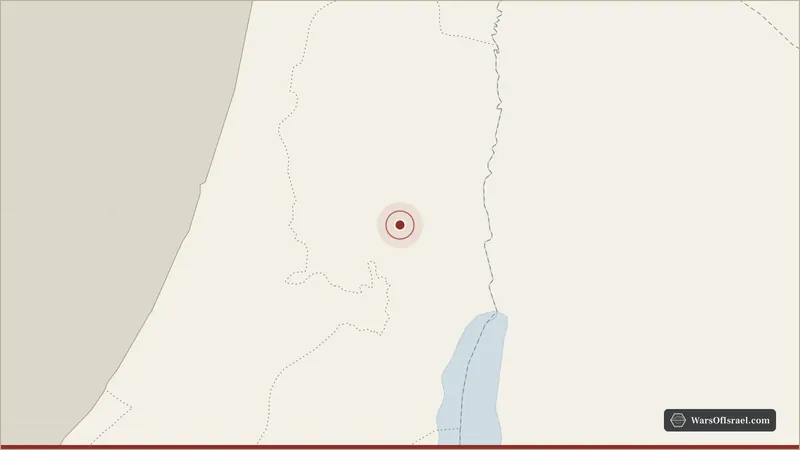
On October 19, 2026, stones struck vehicles carrying foreign influencers who support Israel through the Palestinian village of Turmus Ayya in Judea and Samaria. A window shattered, leaving one passenger lightly injured and in need of treatment by IDF medics. The group had joined a Regavim tour.
A tour's exit becomes the scene of an attack
Fleur Hassan-Nahoum took part in the visit and described what happened as the cars headed out. She said stones were thrown at the departing vehicles and one of them broke the window of the car carrying the injured passenger. Medical assistance followed after the group left the village.
In Hassan-Nahoum's description, the visitors had been traveling in three cars. People approached, surrounded the vehicles and demanded their departure. The drivers turned back toward the exit. Further attackers there hurled rocks as the cars tried to leave, and passengers lowered themselves inside the vehicle before the glass broke.
The compilation accompanying this article includes recordings from inside a vehicle and scenes of the aftermath, including treatment. It keeps the incident's immediate setting in view: passengers in cars, a stone attack during their departure and a person requiring medical attention.
Those details give the incident its concrete consequences. A journey through the village ended with broken glass and a light injury. The people inside the vehicles were foreign visitors, publicly supportive of Israel, taking part in an organized tour.
Foreign passports, three days and a short distance
American, Argentine and Canadian citizens were among the participants. The group also included citizens of France, Britain and South Africa. Its international composition is central to the comparison now confronting those who cover and condemn attacks on foreign nationals.
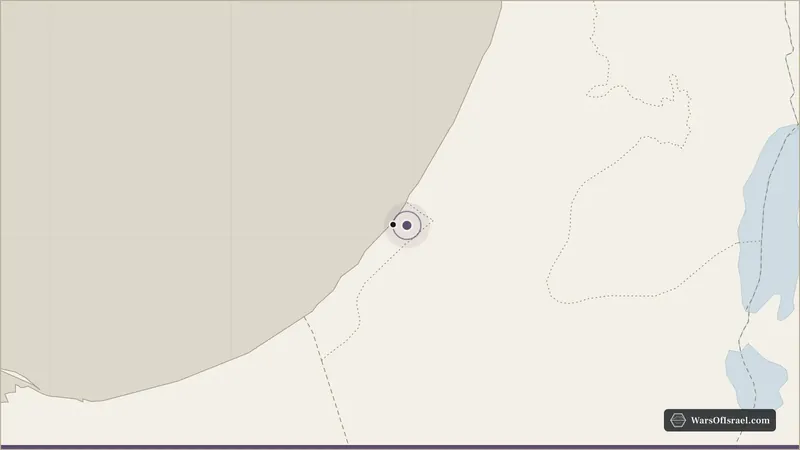
Only three days earlier, on Friday, October 16, American photojournalist Heidi Levine was “assaulted” about 1.5 kilometers from the location of the influencers' attack. Foreign citizens were injured in each incident, within the same small area of Judea and Samaria.
The distance is roughly a kilometer and a half. The gap in time is three days. The latest group includes people from six countries who stand publicly with Israel. These are the facts against which the response to this attack will be measured.
The comparison concerns the attention given to people who have been hurt. Headlines determine which incidents reach a wider audience; condemnation signals that the violence warrants a response; demands for accountability place the treatment of those responsible before the authorities. The same expectations apply when the foreign victims support Israel.
Forty-four days after Huckabee's visit
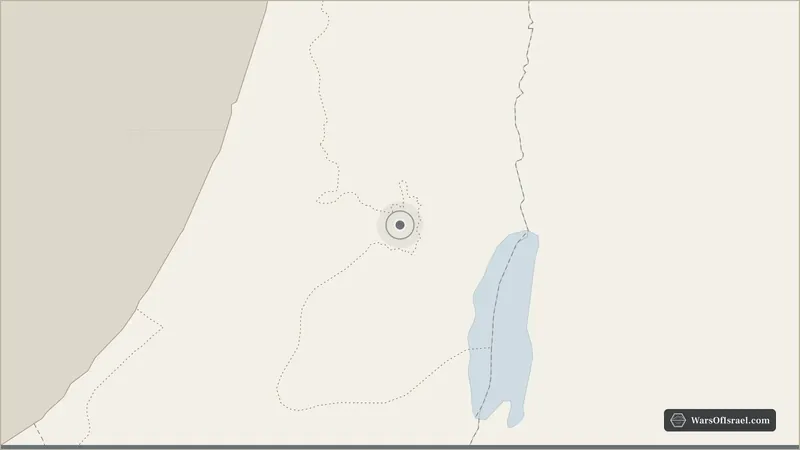
Turmus Ayya is a hostile village with many residents who hold U.S. citizenship. Mike Huckabee, the American ambassador to Israel, was there on September 5. Forty-four days separate that visit from the attack on the visiting influencers.
The September visit produced an “uproar,” extending into Israeli media, over a Jew passing through the area in his vehicle. Huckabee filmed the vehicle with his phone, and the episode drew coverage while the American residents of the village were receiving the ambassador.
Amishav Melet subsequently said he was the driver. He described using a Ranger security vehicle to check a security alert, greeting the delegation and media personnel, then continuing on his way. He also objected to the way he had been portrayed as a dangerous settler. He said the alert came from a shepherd who had noticed vehicles gathering nearby, and that he notified the IDF while checking.
American citizenship was already part of the village's international profile during the ambassador's visit. It is now also among the citizenships of the foreign group attacked there. The September driving episode and the October stone attack bring the question of attention back to the same village.
The question the injured visitors leave behind
The response can be assessed through the same three points: the prominence of the coverage, the condemnation of the attack and the demand to hold its perpetrators accountable. A shattered window and an injured passenger make those questions immediate.
Foreign nationals were hurt in both October incidents, almost in the same place. Will the attack on these supporters of Israel generate the same headlines, condemnation and insistence on accountability when the victims' public position is support for Israel?