Military operationWar of IndependenceReference entry
Operation Dekel (1948)
The July 1948 offensive that brought Lower Galilee and Nazareth under Israeli control and pushed the Arab Liberation Army north.
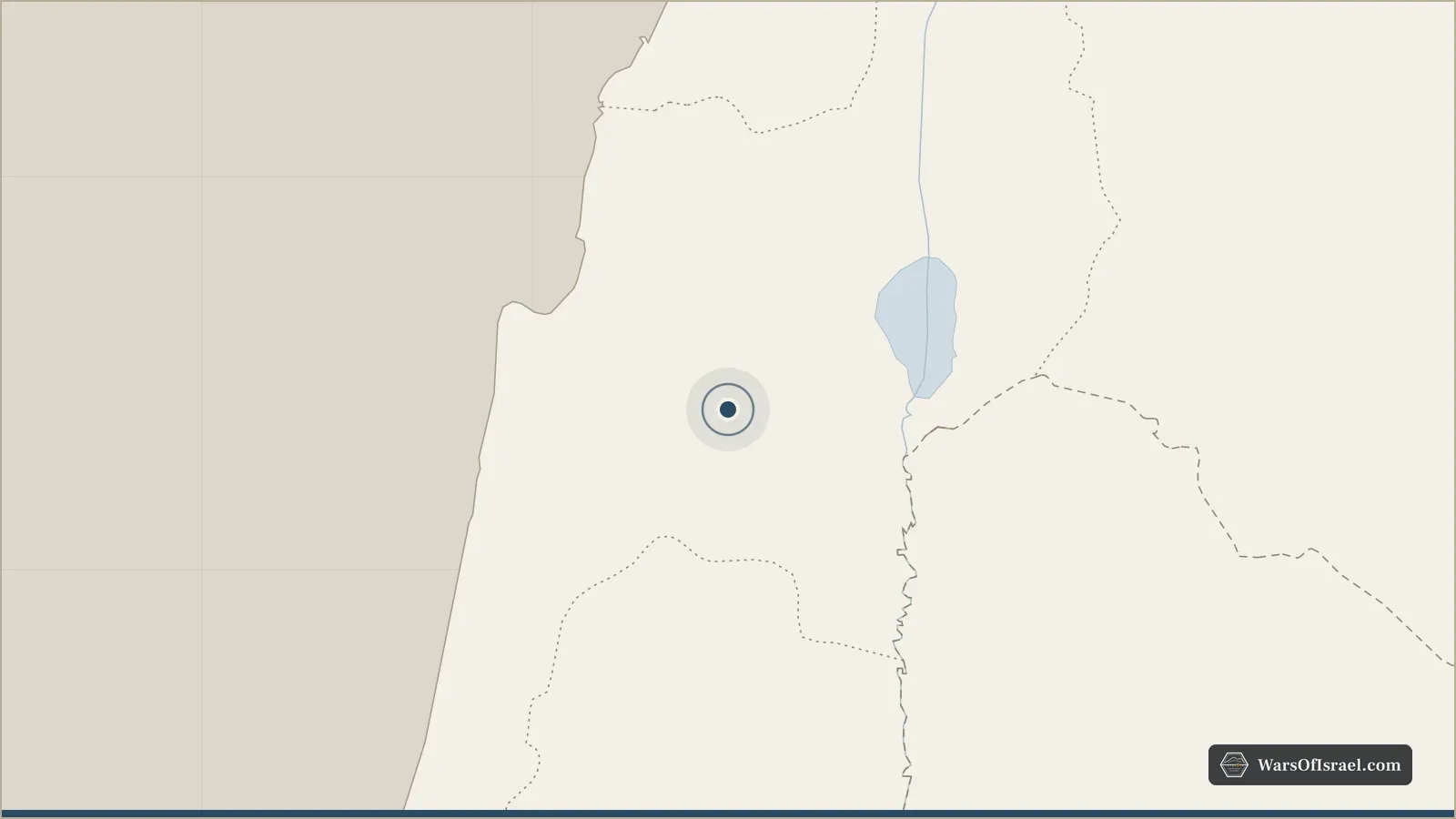
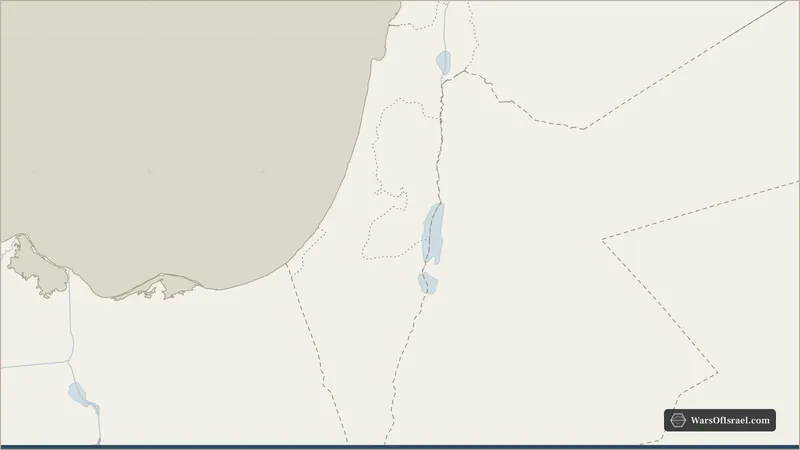
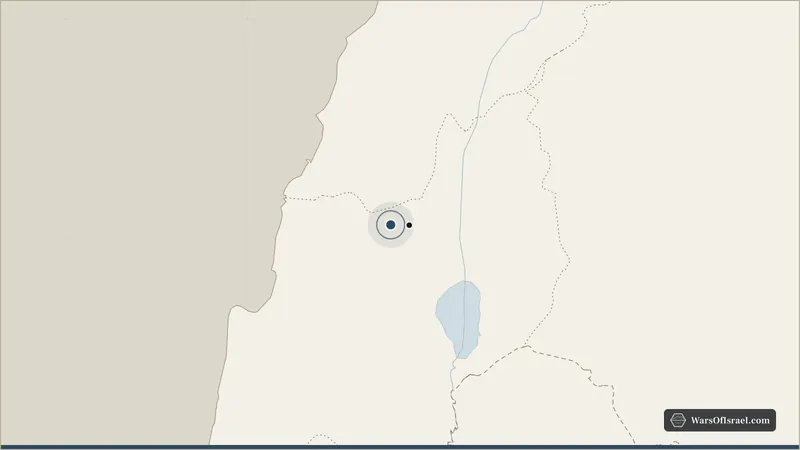
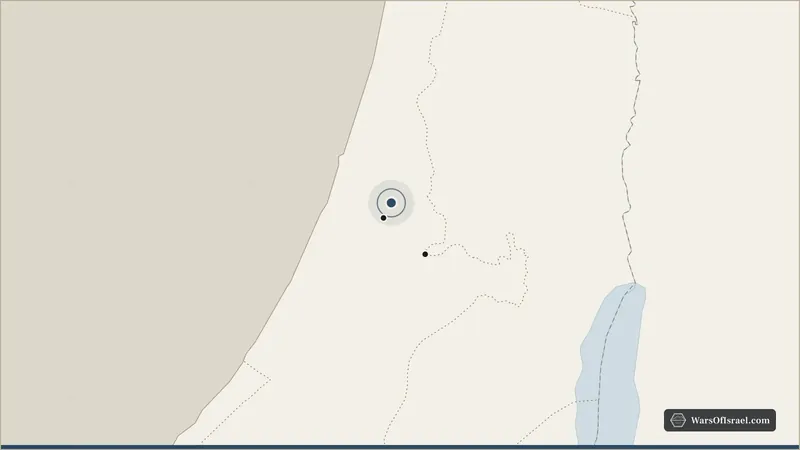
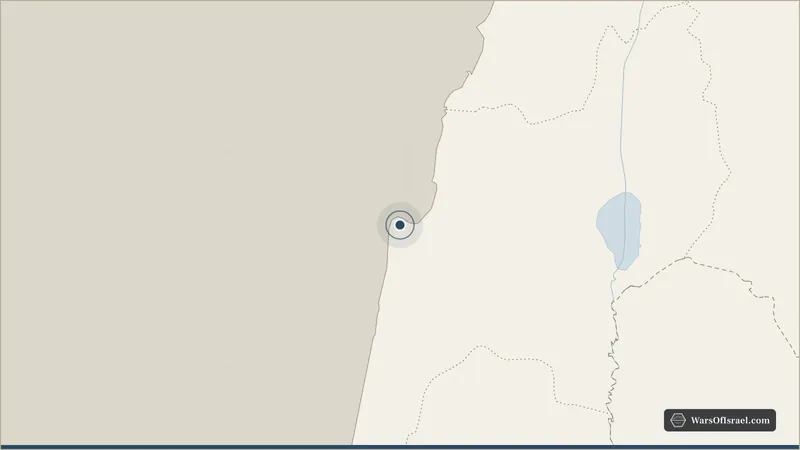
Operation Dekel (Mivtza Dekel, "palm tree") was the largest Israeli offensive in the north during the "Ten Days" of fighting between the two truces of 1948. Between July 8 and 18, 1948, Israeli forces advanced east from the Haifa bay through Lower Galilee, took Shefa-Amr and Saffuriya, and on July 16 received the surrender of Nazareth, the largest Arab town in the region. The Arab Liberation Army of Fawzi al-Qawuqji withdrew north. Nazareth's residents, unusually for that summer, were allowed to stay.
Lower Galilee before the offensive
By the first truce of June 11, 1948, Israel held the coastal strip around Haifa and western Galilee as far as the Lebanese border, as well as the Jezreel Valley and the eastern Galilee around Tiberias and Safed. Between them lay a block of hill country centered on Nazareth, held by the Arab Liberation Army (ALA), a force of volunteers from Arab countries sponsored by the Arab League. Its commander, al-Qawuqji, had already fought Israeli forces at Mishmar HaEmek in April. From Nazareth and the surrounding villages the ALA could threaten the roads between the Israeli enclaves and the Jewish settlements of the valley.
The course of the operation
The main striking force was the 7th Brigade, commanded by Ben Dunkelman, a Canadian volunteer and Second World War veteran, together with a battalion of the Carmeli Brigade and elements of the Golani Brigade. Moshe Carmel commanded the northern front.
The advance unfolded in three movements: - From July 8 to 14, forces moved east from the coast through the villages of western Lower Galilee to Shefa-Amr. The town's Druze community had reached an understanding with the Israeli side, and its Muslim residents fled under bombardment. - On July 15, Israeli aircraft bombed Saffuriya, the large village guarding the northwestern approach to Nazareth. Most of its roughly 4,000 residents fled, and the village was captured on July 16. - On the same day, a column of the 7th Brigade reached Nazareth. After light fighting the city surrendered that evening, and the ALA units inside it withdrew to the hills to the north.
On July 18 the second truce took effect and the offensive halted, leaving the central Galilee north of Nazareth in ALA hands.
Nazareth's population
Nazareth was a mainly Christian and Muslim city of about 18,000 people, swollen by refugees, and its holy sites made it a subject of international attention. Israel's government was anxious to avoid damage to churches and incidents that could harm its standing abroad. According to Dunkelman's own account, he refused an instruction from his superior, Haim Laskov, to evacuate the city's inhabitants, and the order was not carried out. Historians have discussed how far this account reflects the full decision-making process, but the outcome is not in doubt: the residents of Nazareth were not expelled, and the city became the largest Arab community within Israel.
The surrounding villages fared differently. Many residents of Saffuriya and other villages fled during the fighting and were not allowed to return, and several villages were later demolished.
Outcome and significance
Dekel joined the separate Israeli zones of the north into a continuous territory from Haifa to the Sea of Galilee and removed the ALA from Lower Galilee. It also set the stage for the next round. In October, the ALA remaining in the central and Upper Galilee was routed in Operation Hiram, which completed Israeli control of the whole region. Together with Operation Danny in the center, Dekel showed that the Israel Defense Forces could now take the initiative on more than one front at a time.
Its most lasting legacy is demographic. Because Nazareth stayed populated, it became the political, cultural and religious center of Arab citizens of Israel, a role it still holds.