Military operationLebanon and the first intifadaReference entry
Operation Mole Cricket 19 (1982)
An account of the afternoon in which Israel's air force dismantled a Soviet-built air defense network and what the result changed.
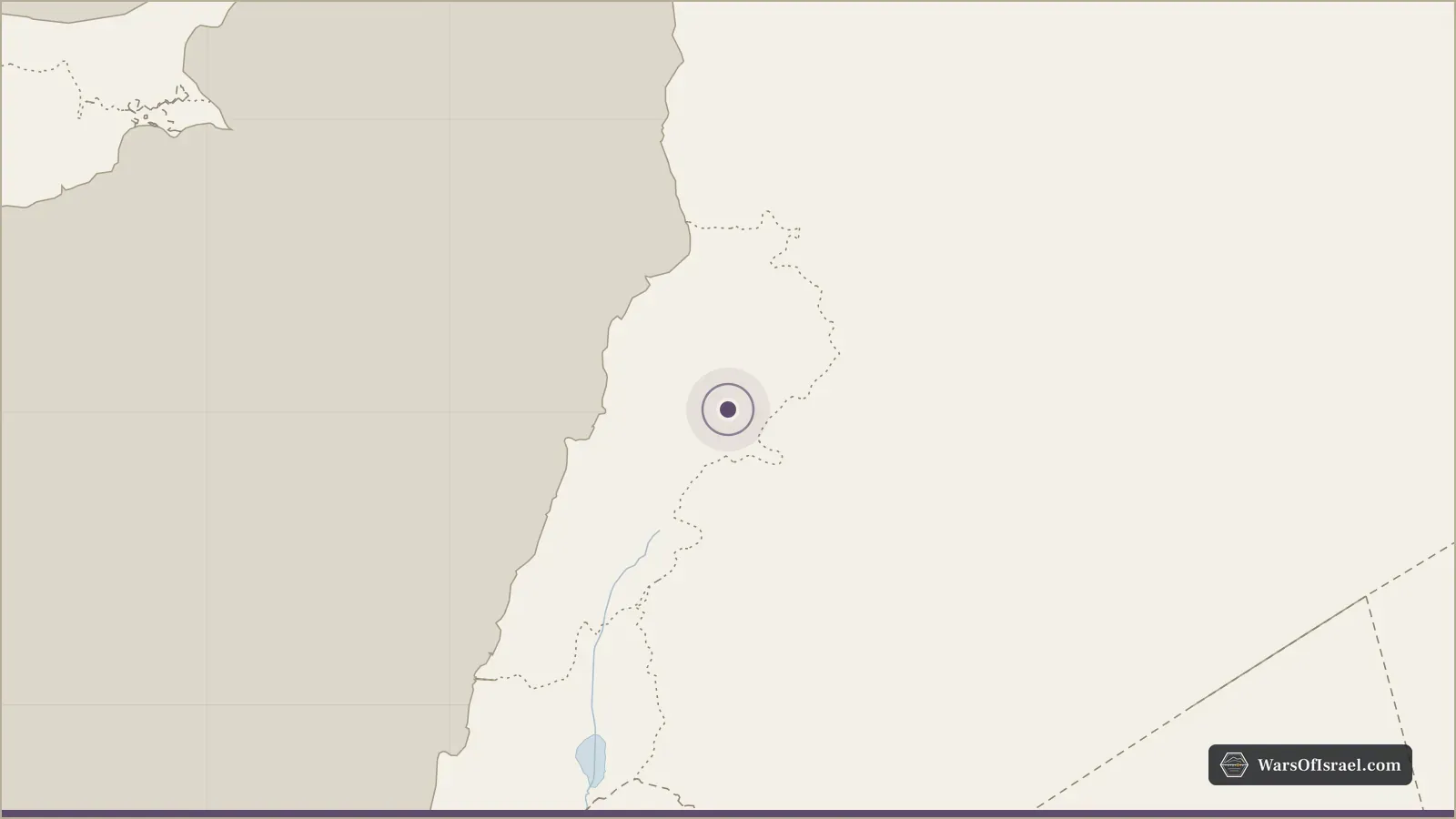
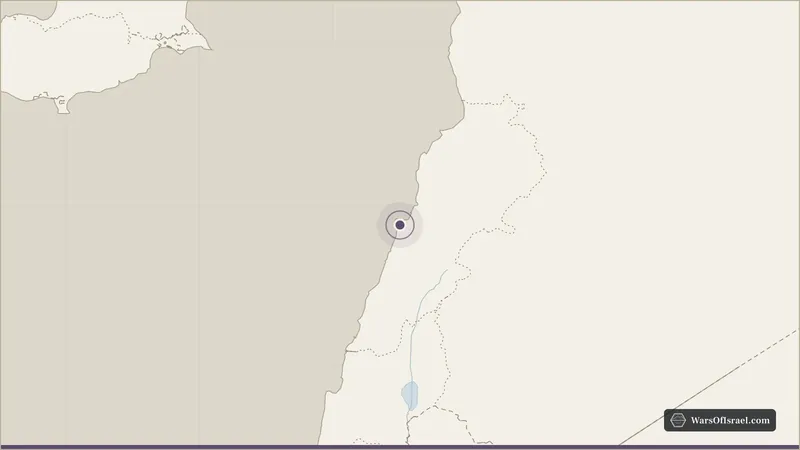
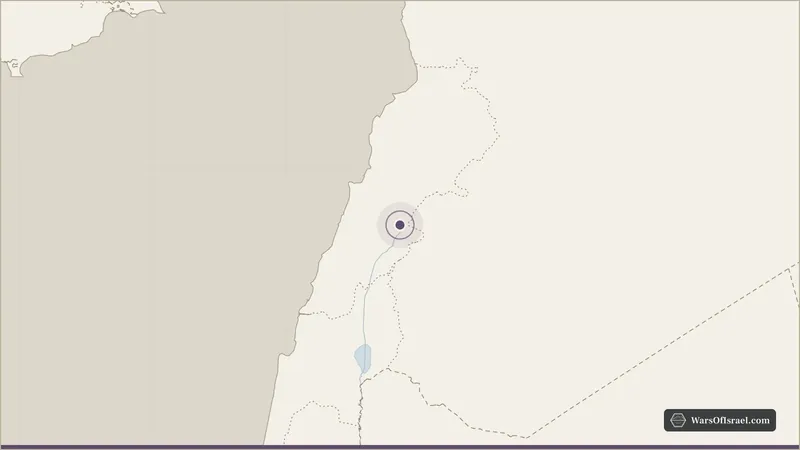
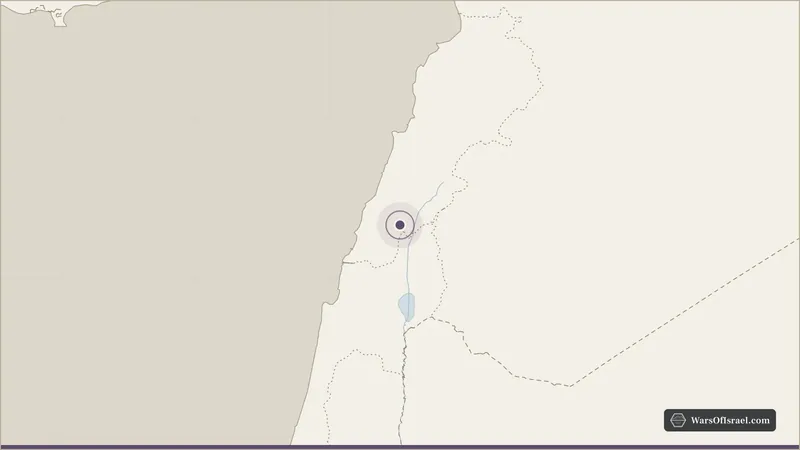
Operation Mole Cricket 19 (Mivtza Artzav 19) was the Israeli Air Force strike of June 9, 1982 against the Syrian surface-to-air missile batteries deployed in Lebanon's Beqaa Valley, on the fourth day of the 1982 Lebanon War. In an attack that lasted about two hours, Israeli aircraft destroyed the batteries and, in the air battle that Syria's air force joined, shot down dozens of Syrian fighters. According to most accounts, no Israeli aircraft was lost in air combat. The result gave Israel freedom of the air over Lebanon for the rest of the war and was studied by air forces around the world.
The missile wall in the Beqaa
Syria had moved surface-to-air missile batteries into the Beqaa in the spring of 1981, during the crisis over the Christian town of Zahle, and Israel had threatened then to destroy them. The batteries, of the Soviet-built SA-2, SA-3 and SA-6 types, covered the valley and threatened Israeli aircraft over central and eastern Lebanon. Their weight was not only military. The Israeli Air Force had suffered heavy losses to Egyptian and Syrian missiles in the Yom Kippur War of 1973, and the years since had been spent on developing the means to defeat such a system.
When Israeli ground forces advanced north in June 1982 and came into contact with the Syrian army, the government approved the strike. According to Rebecca Grant's account in Air and Space Forces Magazine, cabinet approval came shortly after 10 a.m. and the attack was launched at 2 p.m., run from the air force command post by its commander, David Ivry.
The attack and the air battle
The operation combined weapons that had rarely been used together. Remotely piloted vehicles flew over the valley first, making the Syrian radars switch on and relaying what they found. Electronic warfare aircraft jammed Syrian communications and radar, and F-4 Phantoms fired anti-radiation missiles at the radars that revealed themselves, followed by strike aircraft with bombs. American-made E-2C Hawkeye aircraft provided an airborne radar picture to the controllers, while F-15 and F-16 fighters covered the strike.
Sources differ on the number of batteries. Grant writes that all 19 batteries in the target area were destroyed within two hours, and other accounts give totals for the whole operation, including batteries hit the next day, of up to 29 of about 30. Syria scrambled its fighters into the fight, and the air battle over the Beqaa that afternoon and on the following days became one of the largest since the Second World War. Published Western and Israeli estimates, among them those of historian Itamar Rabinovich, put Syrian aircraft losses in the week of fighting at more than 80. The Israeli Foreign Ministry's own historical overview speaks of 25 Syrian planes, most of them MiG-23s, shot down during the strike. Syrian and Soviet statements at the time claimed large numbers of Israeli aircraft, claims that were not supported by later evidence.
Results and significance
The destruction of the missile array removed the main threat to Israeli air operations in Lebanon. It did not decide the ground war against Syria: the next nights brought the hard fighting at Sultan Yacoub before a cease-fire between Israel and Syria took effect on June 11.
The operation's wider effects were felt beyond the Middle East. The Soviet Union sent senior air defense officers to study the failure, and Western militaries saw the Beqaa as a test of the methods that later shaped the suppression of enemy air defenses: unmanned decoys and reconnaissance, real-time airborne command and control, and the integration of electronic warfare with precision strikes. For the Israeli Air Force, it was the answer to the trauma of 1973. Its success also reinforced, in Israeli strategic thinking, a confidence in the air force that would be tested again in later wars.