Military operationEarly statehoodReference entry
The Qibya raid (1953)
How a reprisal for a grenade attack in Yehud became one of the most condemned Israeli operations of the 1950s, and what changed because of it.
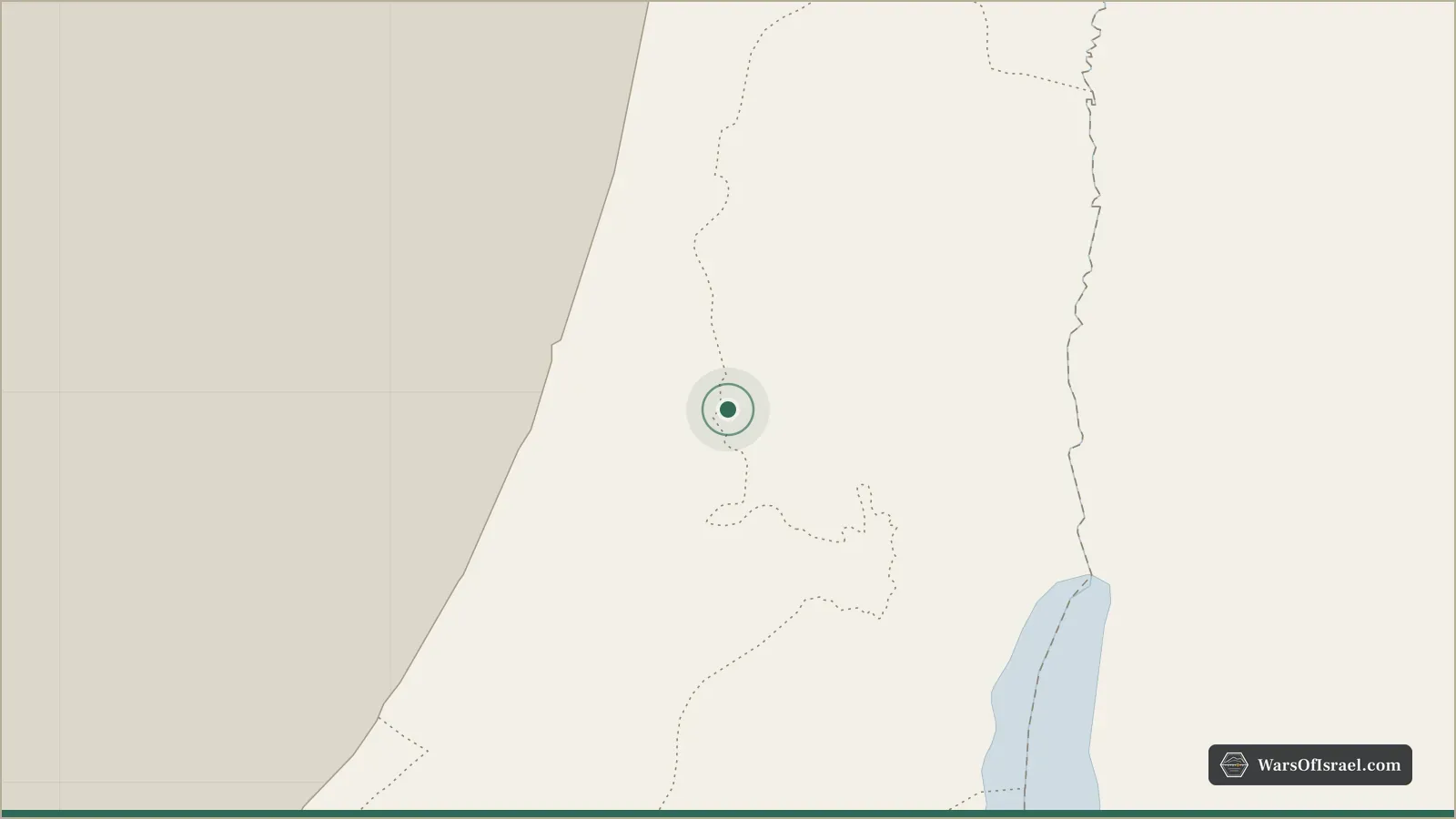
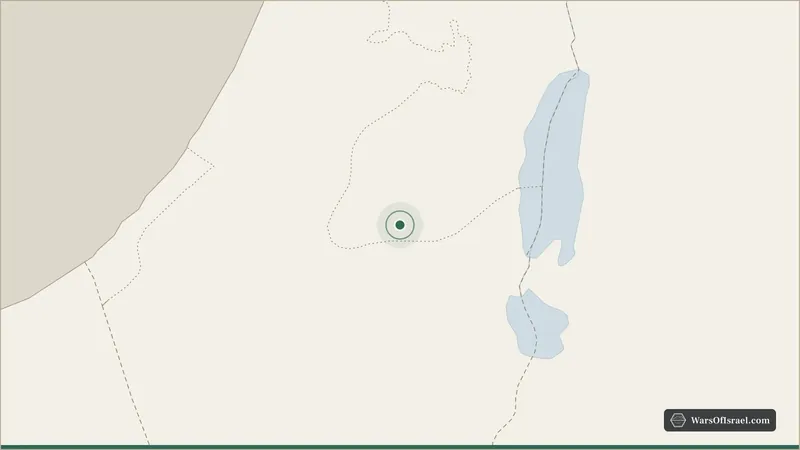
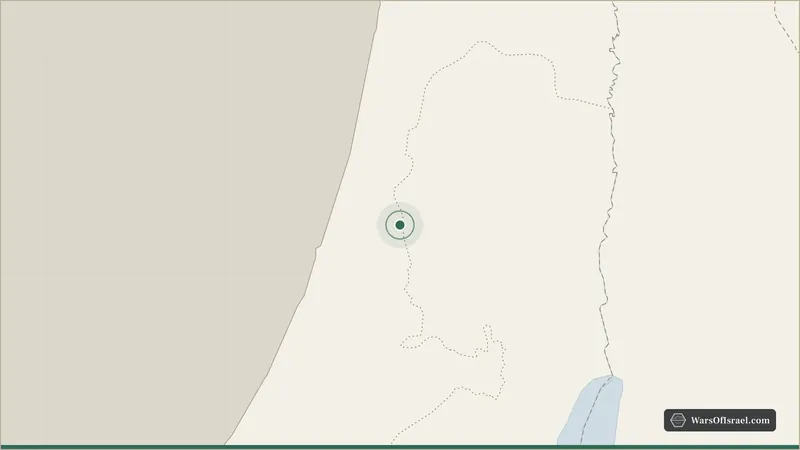
On the night of October 14, 1953, an Israeli force of Unit 101 commandos and paratroopers under Major Ariel Sharon crossed into the Jordanian-held West Bank village of Qibya, northwest of Ramallah, and blew up about 45 houses, a school and a mosque. At least 69 villagers were killed, about two thirds of them women and children, according to the UN Mixed Armistice Commission and later historical research. The raid was the most lethal of the early retribution operations, and the condemnation that followed changed how Israel conducted them.
The attack in Yehud and the decision to strike
Qibya came at a time of constant infiltration from the West Bank. On the night of October 12 to 13, 1953, a grenade was thrown into a house in Yehud, a small town about ten kilometers inside the armistice line. It killed Suzanne Kinyas and her two young children. Israel blamed infiltrators from Jordan. The Israeli leadership decided on a large reprisal.
The order for the operation, issued by Central Command, called for an attack on the village with demolition of houses and infliction of casualties. Qibya was chosen because Israeli intelligence believed infiltrators passed through it. The force numbered about 130 soldiers, roughly a third of them from Unit 101, the small commando unit formed that August, according to most accounts; the American chairman of the armistice commission thought it was considerably larger.
What happened in the village
The force reached Qibya at around 9:30 in the evening, according to the Mixed Armistice Commission. It drove off the small group of village guards and Jordanian soldiers, killing about ten to twelve of them, and then laid explosive charges against houses through the night. Many families had hidden inside their homes. When the force withdrew before dawn, the center of the village had been destroyed and dozens of bodies lay in the ruins.
Sharon later wrote that his men had checked the houses and that he believed they were empty when they were blown up. Historian Benny Morris, who examined the Israeli documents, concludes that the soldiers did not carry out a thorough search and that the order itself set out to cause heavy loss of life. Both readings agree on the result: most of the dead were civilians who were inside the buildings when they collapsed.
On October 15, an emergency meeting of the Mixed Armistice Commission condemned Israel by majority vote for a breach of the armistice agreement. On October 19, Prime Minister David Ben-Gurion said in a radio address that the raid had been carried out by Israeli border settlers enraged by the killings, and that no army unit had been absent from its base. The statement was not believed abroad, and it has been rejected by historians, including Israeli ones, who have shown from the archives that the operation was planned and executed by the IDF.
Consequences and memory
The international reaction was the strongest Israel had faced since independence. The US State Department called the raid shocking, and confirmed that economic aid to Israel had been deferred. On November 24, 1953, the UN Security Council expressed "the strongest censure" of the action in resolution 101. Inside Israel, Foreign Minister Moshe Sharett, who had opposed a large reprisal, regarded the raid as a grave political blunder.
The army drew its own conclusions. Unit 101 was folded into the 890th Paratroop Battalion in January 1954, and later reprisals, including Operation Black Arrow, were aimed mainly at military and police targets rather than villages. No one was prosecuted for Qibya. Sharon went on to command the paratroopers in the reprisal raids and in the Sinai campaign, and the raid remained attached to his name throughout his career.
In Palestinian and Arab memory, Qibya is remembered as a massacre. In Israel it has become a reference point in debates about collective punishment and the limits of reprisal, invoked again after later cross-border raids such as the Samu raid of 1966.