News
Lebanese Army and France discuss the post-UNIFIL phase as Haykal urges the force to remain
A documented meeting in Yarzeh advances transition discussions without announcing a replacement force or an agreed mandate.
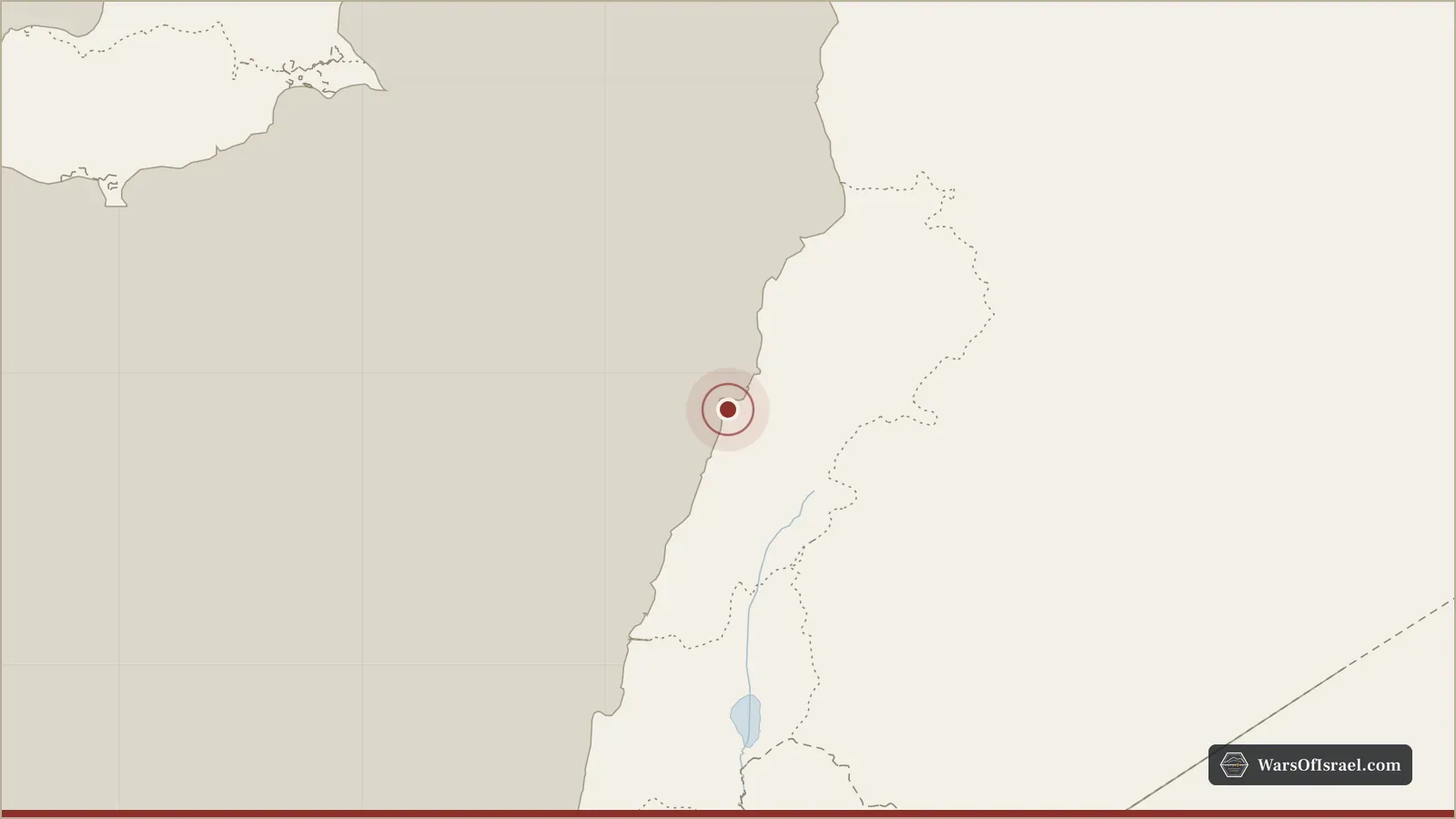
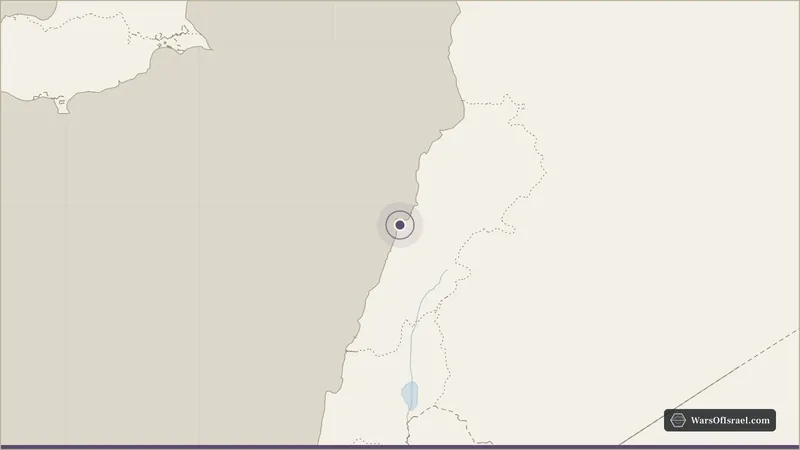
As of November 11, 2026, the Lebanese Army has publicly confirmed talks with France about arrangements after UNIFIL, even as its commander argues that the UN force should remain. The army said General Rodolph Haykal met French Ambassador Patrick Durel in Yarzeh on November 9 to discuss regional developments and the post-UNIFIL phase. The meeting establishes that transition planning is under discussion. It does not establish agreement on a replacement force, its powers or the conditions under which it would operate near Israel's northern border.
France and the Lebanese Army discuss the transition
The Lebanese Army's account of the November 9 meeting (opens in a new tab) names Durel and French military attaché Colonel Bruno Costantini as the visiting officials. It says Durel reaffirmed France's support for the Lebanese Army and for strengthening its ability to carry out its missions.
The announcement is brief. It identifies the subject of the talks but publishes no operational plan, commitment of French troops or agreement about international command. Support for the Lebanese Army and participation in a new international force are different commitments; the statement documents the former, not the latter.
For readers following the site's earlier report on UNIFIL's approaching departure, the new element is the documented bilateral discussion. The November 9 announcement moves the subject beyond general calls for support, but does not answer which institution would take over particular responsibilities.
Haykal emphasizes UNIFIL's monitoring role
Two days before that meeting, the Lebanese Army published a statement in which Haykal stressed the importance of UNIFIL's continued presence. The November 7 statement described the force as a monitor of international resolutions and a record of violations and attacks. It framed that role principally in relation to Israeli actions.
That is the Lebanese commander's case for retaining the force. It is not a UN decision extending its presence, nor evidence that France has accepted that position. The November 7 and November 9 statements also address different questions: what Haykal says UNIFIL contributes, and how Lebanon and France are discussing a subsequent phase.
Monitoring, documenting violations and preventing an armed group from rebuilding are related tasks, but they are not interchangeable. A force may provide reporting without having the authority or capacity to eliminate every weapons store. Conversely, the existence of reports does not establish that the security arrangements they describe are being enforced.
This distinction is central to the site's guide to UN forces on Israel's borders. The relevant question is what a mission is empowered and equipped to do, rather than whether an international flag remains at its positions.
Israel's criticism concerns weapons and enforcement
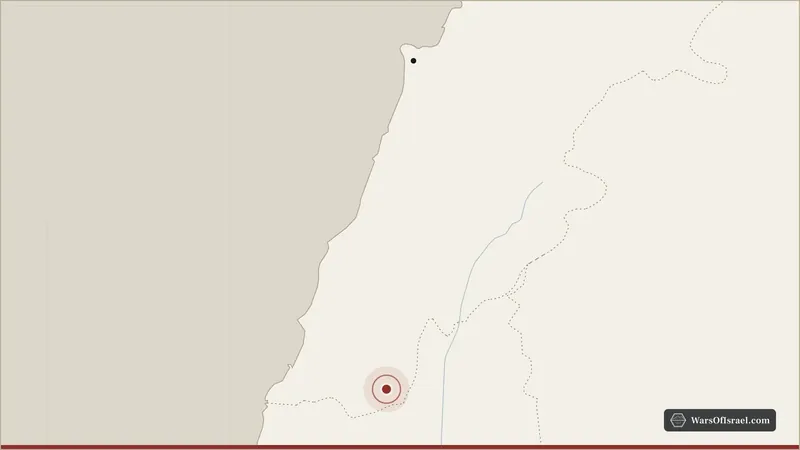
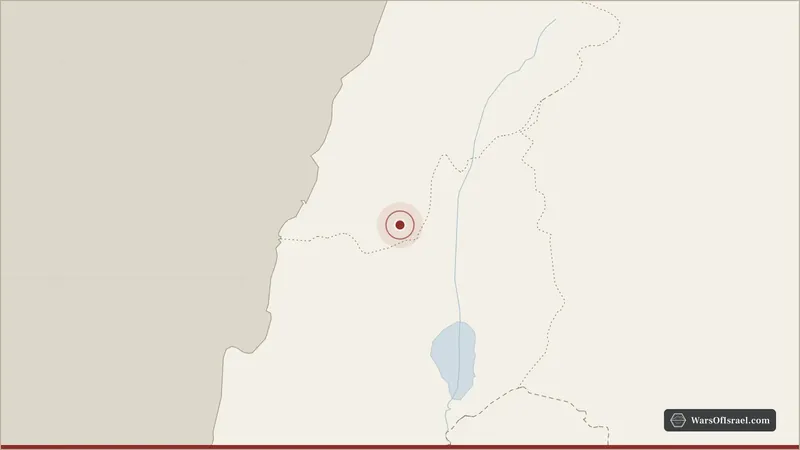
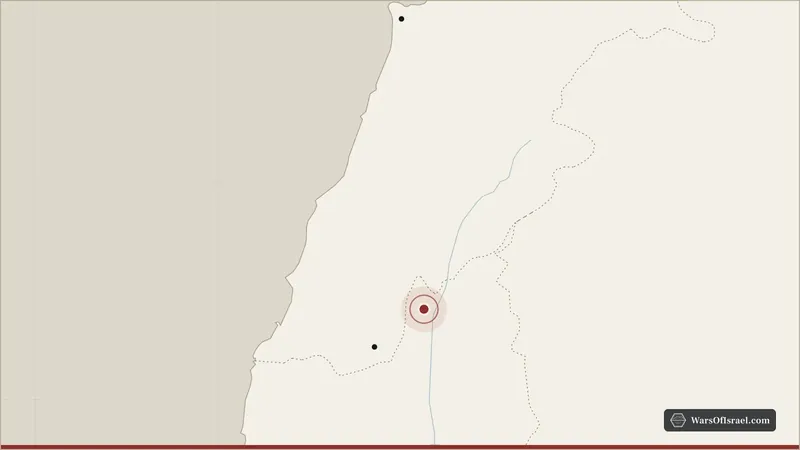
The IDF presented a sharply different assessment on November 8. In its own published statement, it said weapons and military equipment had been found near UN posts in Mays al-Jabal and Et Tiri, and described those discoveries as evidence of UNIFIL's failure.
The site's previous report on those weapons claims covers the military announcement. Its relevance to the diplomatic discussion is the gap between the functions the parties emphasize: Haykal highlights observation and documentation, while the IDF argues that Hezbollah's military presence persisted near international positions.
The IDF's account remains an attributed military claim. Proximity to a UN post does not, by itself, establish what peacekeepers knew about a particular building, whether they could enter it or how they responded. The Lebanese statement likewise does not settle the circumstances of the weapons discoveries. Neither should be used as a substitute for evidence about the other.
The wider military setting is covered in the site's history of the 2026 war with Hezbollah. The transition discussions concern how security commitments will be observed and enforced within that setting.
A replacement mechanism is still a political choice
The Jerusalem Post reported on November 10 that US Secretary of State Marco Rubio had discussed UNIFIL's future with French President Emmanuel Macron and said a successor arrangement could be civilian rather than military. According to the newspaper's account of his remarks, Rubio emphasized a credible verification mechanism and agreement from both Israel and Lebanon.
Those remarks identify another distinction in the debate. International monitoring need not necessarily mean replacing one troop contingent with another. But describing a civilian option does not establish its staffing, access, protection or ability to verify compliance. The report did not present an agreed mechanism already operating on the ground.
The official Lebanese announcements examined here publish no final arrangement or deployment schedule. They also provide no basis for treating French support as a promise to preserve UNIFIL unchanged. Haykal's preference, the bilateral talks and Rubio's reported comments are positions within an unresolved discussion.
The next substantive development would be an agreed mandate specifying who can inspect, who reports violations and who acts when commitments are breached. Until such terms are published, the November announcements show active planning and competing priorities, rather than a settled security framework for the border.