Analysis
Israel's northern front since the 2024 war with Hezbollah: two ceasefires, a second war and an open border question
An analysis of how the Israel-Lebanon border moved from the 2024 ceasefire to a renewed war in 2026 and a security zone that Israel says it will hold until Hezbollah disarms.
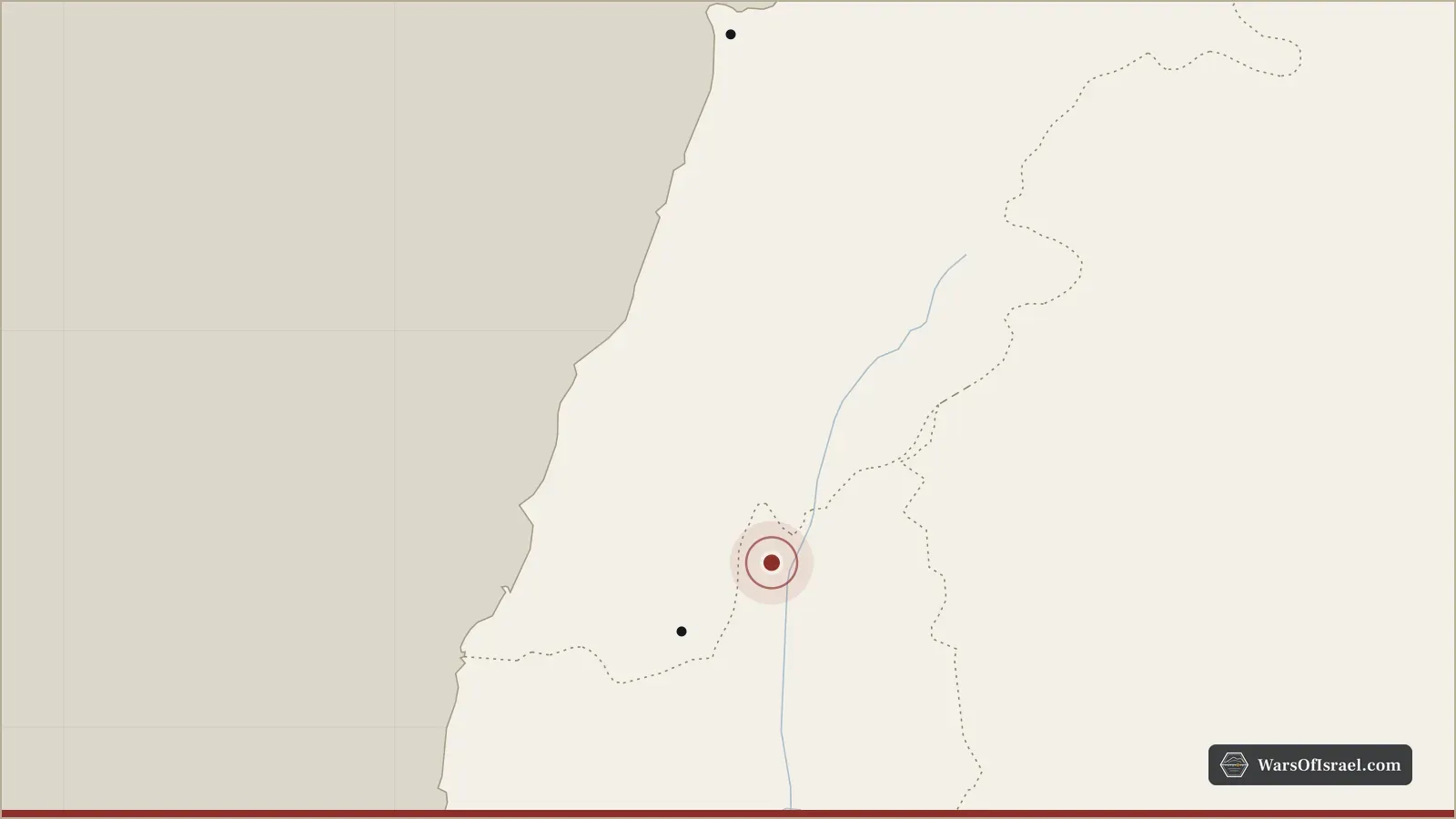
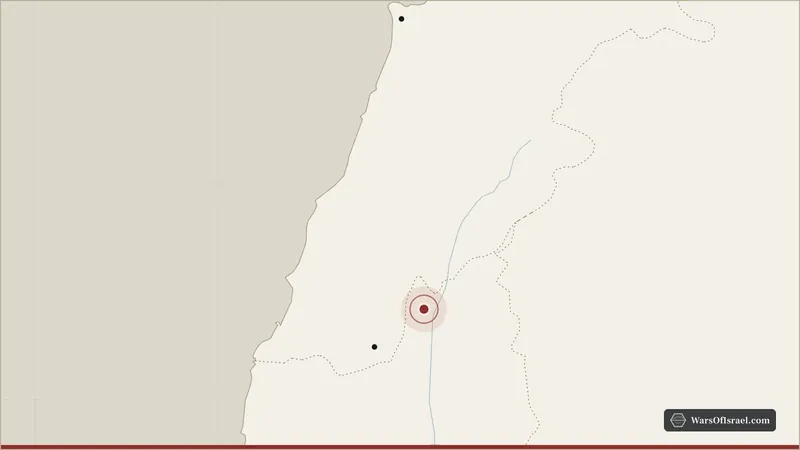
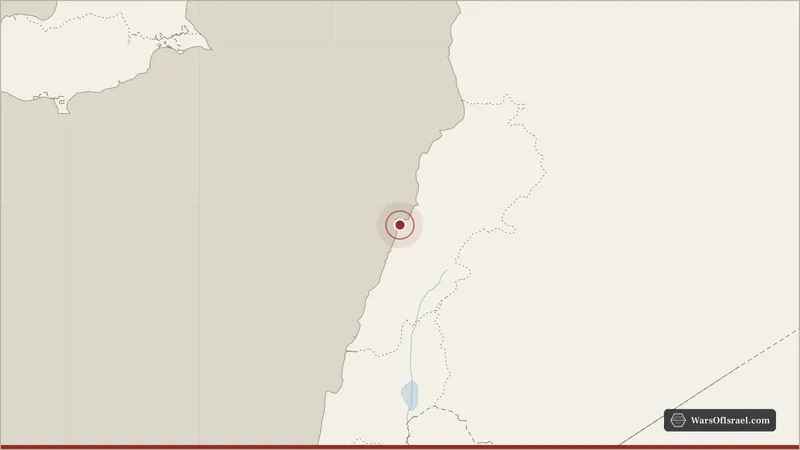
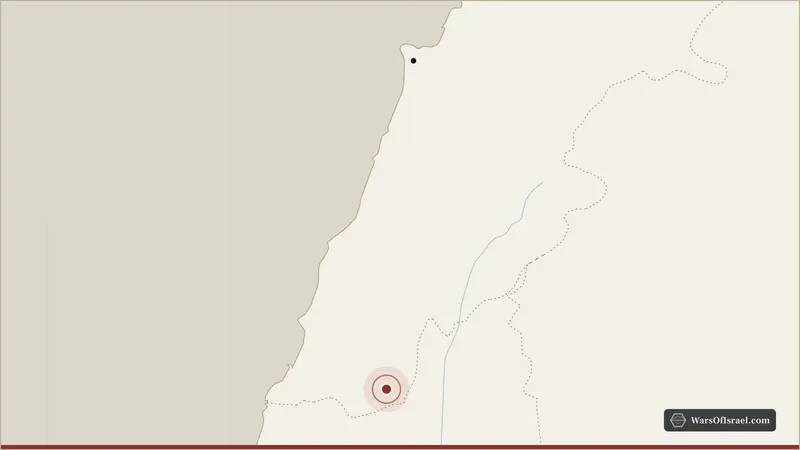
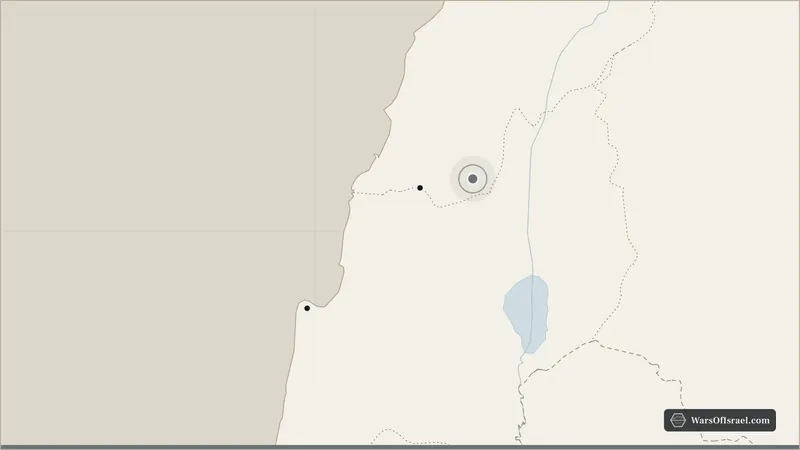
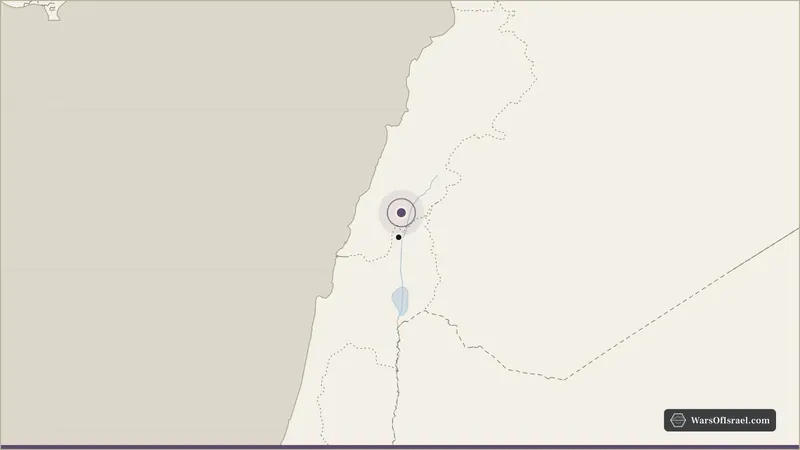
When the ceasefire between Israel and Lebanon took effect on November 27, 2024, it was meant to close a chapter: Hezbollah would withdraw north of the Litani River, the Lebanese army would deploy in the south, and Israeli forces would leave within 60 days. Nearly two years later, as of October 18, 2026, the result is almost the reverse. Israel holds a larger security zone in south Lebanon than at any time since 2000, Hezbollah has not disarmed, a second war was fought in the spring of 2026, and the UN force that watched the border for 48 years leaves at the end of the year. This analysis traces how the northern front reached that point and what it reveals about Israel's approach to the border.
The 2024 ceasefire and its gaps
The Israel-Hezbollah war of 2023 to 2024 ended after a year in which Hezbollah fired on northern Israel in support of Hamas and Israel answered with an escalating campaign that included the pager and radio explosions of September 2024 and the ground operation known as Northern Arrows. The ceasefire signed on November 26, 2024 provided for a phased Israeli withdrawal coordinated with the deployment of the Lebanese Armed Forces, made the Lebanese army and security forces the only armed groups south of the Litani, and created a US-chaired monitoring mechanism with France, UNIFIL, Lebanon and Israel.
Its weaknesses were visible within months. The withdrawal deadline was extended to February 18, 2025, after which Israel left populated areas but kept five hilltop positions along the border that it described as temporary. It continued to strike targets it identified as Hezbollah, treating enforcement as its right under the agreement's self-defense clause; Lebanon and UNIFIL recorded thousands of what they called violations. The Lebanese army, for its part, said it had confiscated about 90 percent of Hezbollah's weapons south of the Litani, according to military and political officials cited by Arab News, while Israel accused it of failing to disarm the group.
The second war, March to June 2026
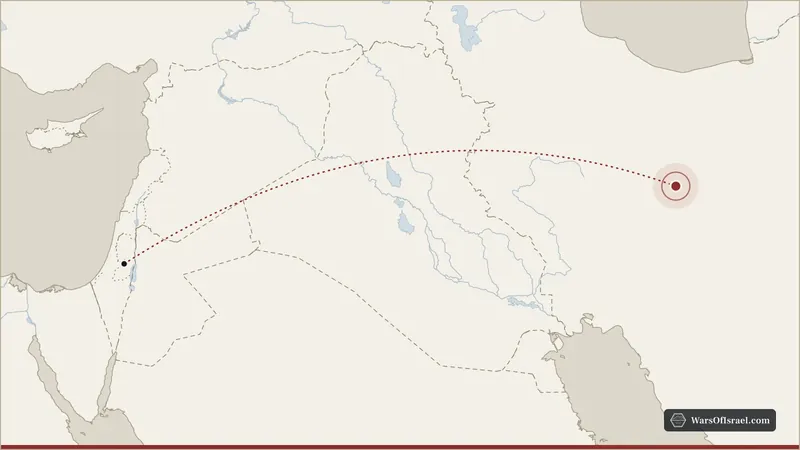
The arrangement collapsed on March 2, 2026, when Hezbollah fired rockets and drones at northern Israel two days after the joint US-Israeli strikes on Iran of February 28, 2026 reopened the conflict fought in the June 2025 war with Iran. Israel responded with air strikes across Lebanon and, from March 16, a ground offensive whose stated aim, according to Arab News, was a Hezbollah-free zone up to the Litani. The Lebanese Health Ministry reported 3,613 people killed and 11,072 wounded in Israeli strikes between March 2 and June 7, 2026, according to L'Orient Today; Al Jazeera reported more than 4,300 deaths by late July. The ministry does not distinguish between combatants and civilians. Israeli military casualties were reported incident by incident, and Wars of Israel has not found a consolidated official total.
A ten-day truce agreed on April 16 was extended, and on June 19, 2026 a renewed ceasefire took effect. One week later, on June 26, Israel, Lebanon and the United States signed a framework agreement in Washington. Its sequence is the key to everything since: the Lebanese army is to restore "effective sovereign authority" pending the verified disarmament of non-state armed groups, and only then would Israel "progressively redeploy," according to Al Jazeera. Hezbollah, which was not party to the talks, rejected the framework, and one of its members of parliament warned that any attempt by the army to enforce it would lead to "civil war."
The security zone in practice
The first implementation came on July 20, 2026, when Israel, Lebanon and the United States announced "pilot zones" in which the Lebanese army would take over. Al Jazeera reported that the army deployed in Zawtar al-Gharbiyeh on July 21, but that Lebanese security sources said two of the villages named, Froun and Ghandouriyeh, had never been occupied by Israeli forces, a claim that suggests the first handover was more symbolic than territorial.
Beyond the pilot zones, the Israeli presence has hardened. Israel declared a "yellow line" in south Lebanon in April 2026 covering dozens of villages whose residents were barred from returning. As of October 2026, The National estimates the zone at about 7 percent of Lebanese territory, and Israel continues demolitions and strikes that it says target Hezbollah facilities, according to the AP. Supporters of the zone argue it is the minimum for safety: at a briefing in Tel Aviv on October 13, 2026, reported by JNS, retired Colonel Jacques Neriah said Hezbollah had tried at least three times since August to smuggle weapons into Lebanon and would fill any vacuum left by an Israeli withdrawal. These are his claims and have not been independently confirmed.
UNIFIL's departure and the question of who watches
The structural change ahead is the end of UNIFIL. The Security Council voted in August 2025 to terminate the mandate on December 31, 2026. Jean-Pierre Lacroix, the UN's peacekeeping chief, said in Beirut on October 14, 2026 that no decision had been made on any successor presence, and the AP reported that the monitoring mechanism created in 2024 has largely stopped functioning since March. The EU's new support mission, agreed on October 12, will train the Lebanese army and police but will not patrol or monitor the border, according to the AP and The National.
The analysis of Wars of Israel is that the northern front has returned, in form if not in name, to a model Israel abandoned in 2000: a security zone held by the IDF inside Lebanon, justified by the absence of a Lebanese authority able to control the south. The record of the South Lebanon conflict of 1985 to 2000 shows what that model cost over fifteen years, and the Second Lebanon War of 2006 shows what followed its abandonment without a functioning alternative. The difference in 2026 is that the zone is tied to a signed framework with a defined exit condition, Hezbollah's disarmament, which neither Israel nor the Lebanese state can impose alone.
What has not changed
For the residents of northern Israel the most concrete facts are the old ones. On October 12, 2026, a submunition from a Hezbollah rocket fired during the recent war killed a 15-year-old on a school hike on the Ramim Ridge, according to the Israeli military. The ordnance in the ground, the destroyed villages on the other side, and the unresolved question of Hezbollah's arsenal all predate the 2024 ceasefire and survive it. As of October 18, 2026, the northern front is quieter than at any time since October 2023, but it is held quiet by force rather than settled by agreement.