Analysis
Three years after October 7: how the war changed Israel's security doctrine
An analysis of the shift from the classic doctrine of deterrence, early warning and decisive victory to a posture of forward defense on every border.
The war that began with the Hamas attack of October 7, 2023 was not only the deadliest day in Israel's history; it broke the assumptions on which Israeli security policy had rested for decades. Three years on, as of October 18, 2026, Israel's armed forces hold positions inside the Gaza Strip, southern Lebanon and southern Syria, strike preemptively in several countries and describe these positions as indefinite. No Israeli government has published a new national security doctrine. But analysts across the spectrum, from the director of Israel's leading security think tank to advocates of the new posture, agree that one has emerged in practice. The questions now are what it consists of, whether it is sustainable, and who decided it.
The doctrine that failed on October 7
The classic Israeli security concept is usually summarized in three or four pillars associated with David Ben-Gurion: deterrence, early warning, decisive victory and, later, defense. It assumed a small state that could not sustain long wars, that would rely on intelligence to see a threat coming, mobilize reserves quickly and move the fighting onto enemy territory for a short campaign. The Yom Kippur War of 1973 showed how badly an intelligence "concept" could fail, and the lessons drawn then were about warning and readiness, not about the basic model.
On the Gaza border before October 7, that model took a specific form: a high-technology barrier, a thin line of forces, periodic rounds of fighting to restore deterrence, and a belief, shared by the political and military leadership, that Hamas was deterred and interested in economic calm. The October 7 attack showed that every element could fail at once: warning was missed or discounted, the barrier was breached in dozens of places, and deterrence turned out to be a judgment about intentions that was wrong.
Forward defense: holding ground beyond the border
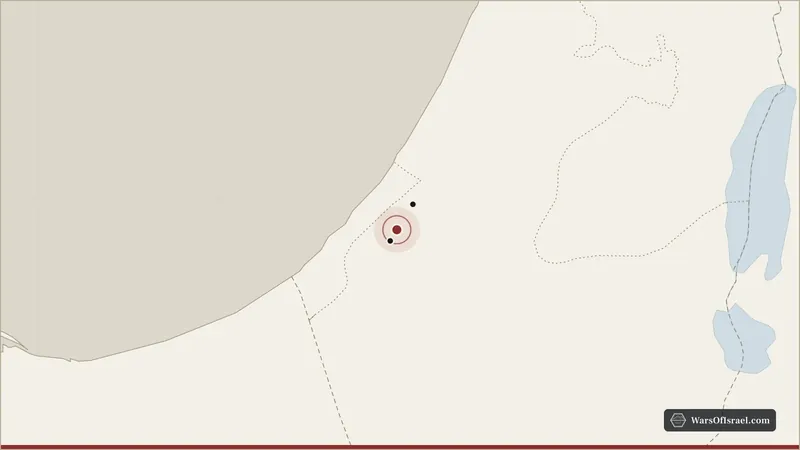
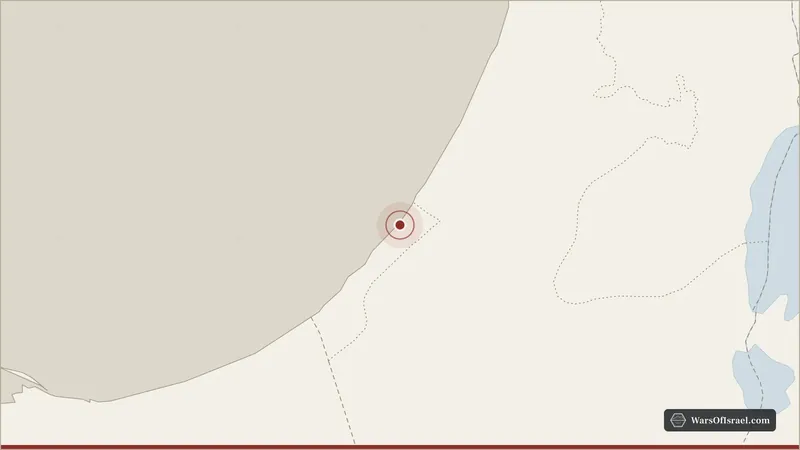
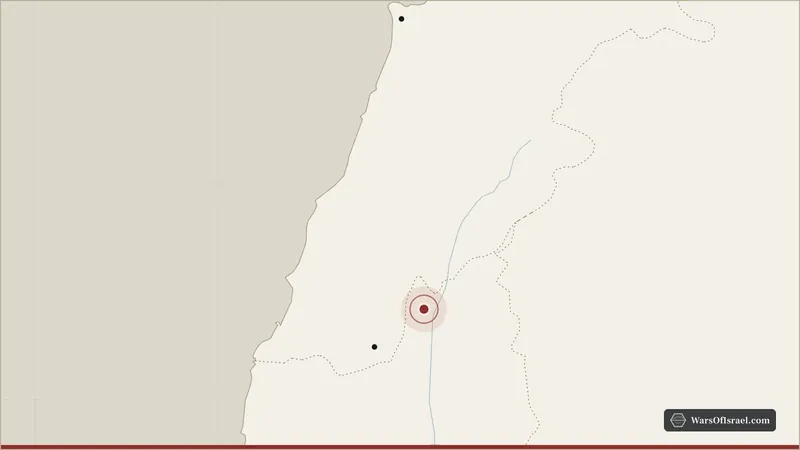
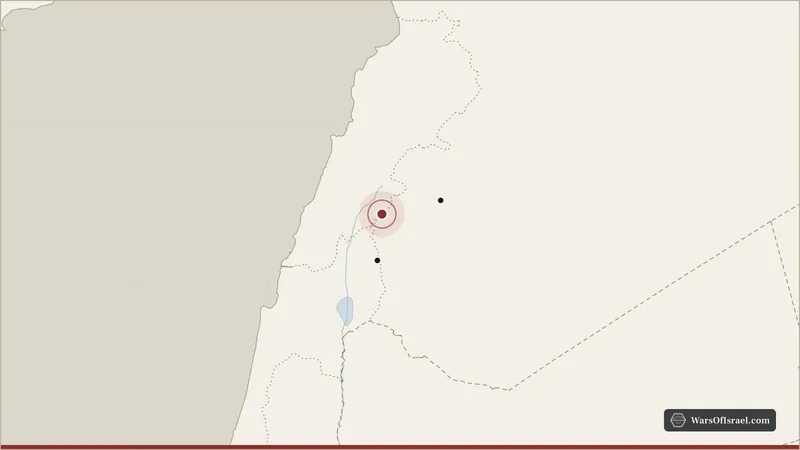
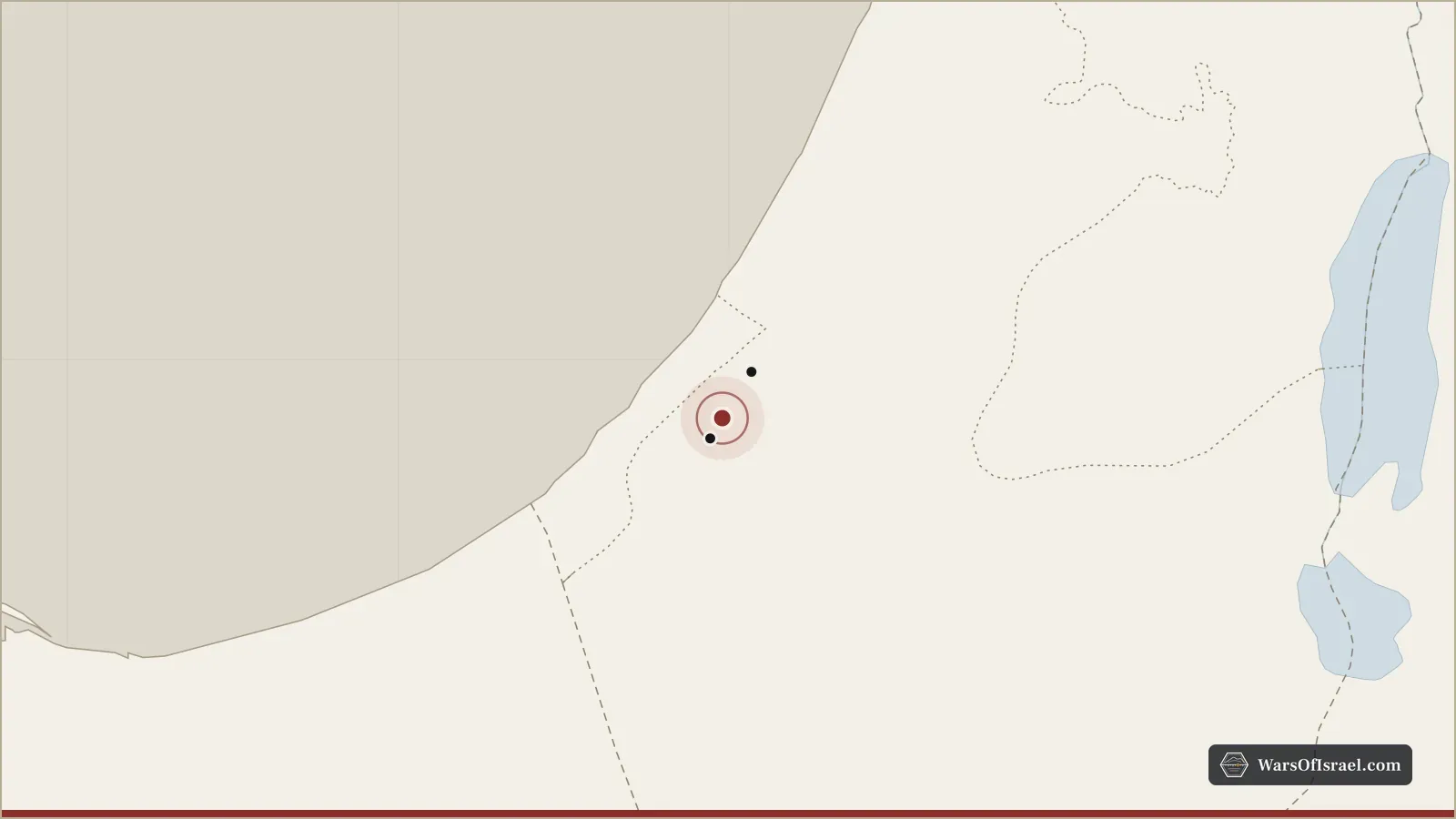
The most visible change is geographic. Before 2023, Israel's declared preference since the withdrawals from Lebanon in 2000 and from Gaza in 2005 was to defend from its own side of a recognized line. As of October 2026, it holds a zone behind the Yellow Line in Gaza that sources estimate at between 60 and 70 percent of the Strip; a security zone in southern Lebanon that The National estimates at about 7 percent of Lebanese territory; and a forward area in Syria where, according to an IDF statement of October 7, 2026 cited by FDD's Long War Journal, the 210th Division operates ten posts. Fortified lines with roads, berms and trenches have been built in all three, according to The National, which counts the Sufa 53 line in Syria as the third.
Tamir Hayman, executive director of the Institute for National Security Studies and a former head of military intelligence, called this "forward defense" in an INSS paper on the "new" national security concept (opens in a new tab) of October 12, 2026: defense zones established "wherever possible" in territory adjacent to the enemy. Advocates frame it as a return to defensible borders. At a briefing in Tel Aviv on October 13, 2026, reported by JNS, retired Brigadier General Yossi Kuperwasser argued that Israel needs a buffer of 8 to 10 kilometers into Lebanon and Syria and control of Gaza's main corridors, and could not rely on an international stabilization force.
From deterrence to prevention
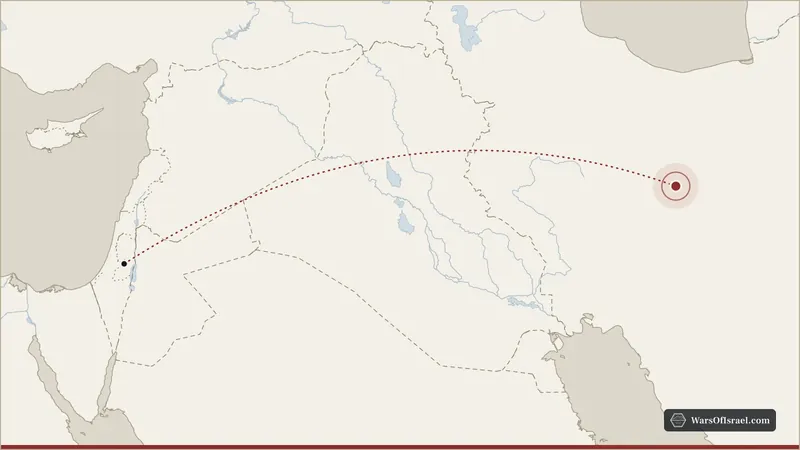
The second change concerns timing. The old model accepted that enemies would arm and tried to deter them from using their arms. Since 2024 Israel has acted repeatedly to destroy capabilities before they are used. The pager and radio explosions against Hezbollah in September 2024, the campaign that dismantled much of Hezbollah's command later that year, the war with Iran in June 2025 and the joint US-Israeli strikes on Iran from February 28, 2026 all fit this pattern. Hayman describes the emerging principle as "initiative over defense," with preemptive and preventive strikes replacing deterrence and warning as the default.
The analysis of Wars of Israel is that this is the deepest change of the three years, because it alters the meaning of a ceasefire. In Gaza, in Lebanon after November 2024 and again after the 2026 truces, Israel has continued to strike targets it regards as threats while formally keeping a ceasefire. The other side, and many outside observers, treat these strikes as violations; Israel treats them as the enforcement mechanism of the truce itself.
The price: manpower, money and politics
Holding ground costs more than watching a fence. The Nagel Commission, appointed by the government to review defense needs, recommended in January 2025 a supplement of NIS 133 billion over a decade for rearmament and routine security, according to Globes, and warned that a direct conflict with Iran could harm the economy. The commission's chairman said the defense establishment had asked for considerably more. On October 18, 2026, the Jerusalem Post reported that the government had approved a further NIS 2.5 billion for defense funded by a 4.9 percent cut to ministry budgets.
The political cost is harder to measure but openly debated. Hayman argues that the new concept carries assumptions that go beyond military policy: peace agreements as temporary tools rather than goals, settlements as part of the defense network, reduced dependence on the United States. He presents his summary as a "deliberately exaggerated interpretation" to provoke discussion, and asks whether abandoning fixed borders weakens rather than strengthens security. Miroslav Zafirov of the Atlantic Council warned in July 2026 that "temporary deployments become permanent military infrastructure."
Who decided, and what comes next
The striking feature of the shift, noted by critics and supporters alike, is that it was never formally adopted. No cabinet decision or published document defines the buffer zones as policy; they emerged from wartime decisions and were later described as permanent by ministers. Dan Diker of the Jerusalem Center for Security and Foreign Affairs predicted on October 13, 2026 that defensible borders would remain the central principle regardless of who wins the election of October 27, 2026.
That prediction may be right. The three years since October 7 have produced something rare in Israeli security thinking: a broad consensus that the old model failed, and a much narrower debate about what should replace it. As of October 18, 2026, the answer is being written on the ground, in roads and berms in Quneitra and in a line across Gaza, faster than it is being written in any doctrine.